
Home / Container House

Modular Container Building Suppliers

Suzhou Taimao Integrated Housing Co., Ltd. Product Category Assemble Container Houses

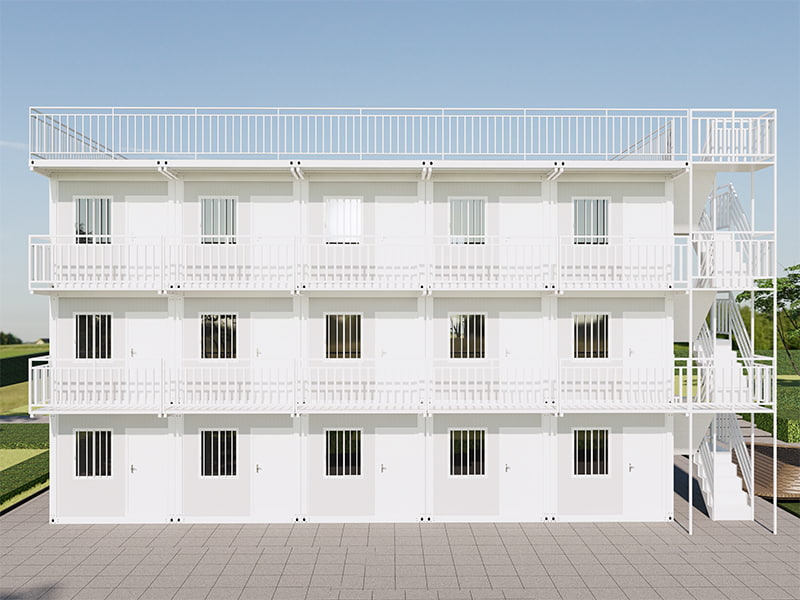
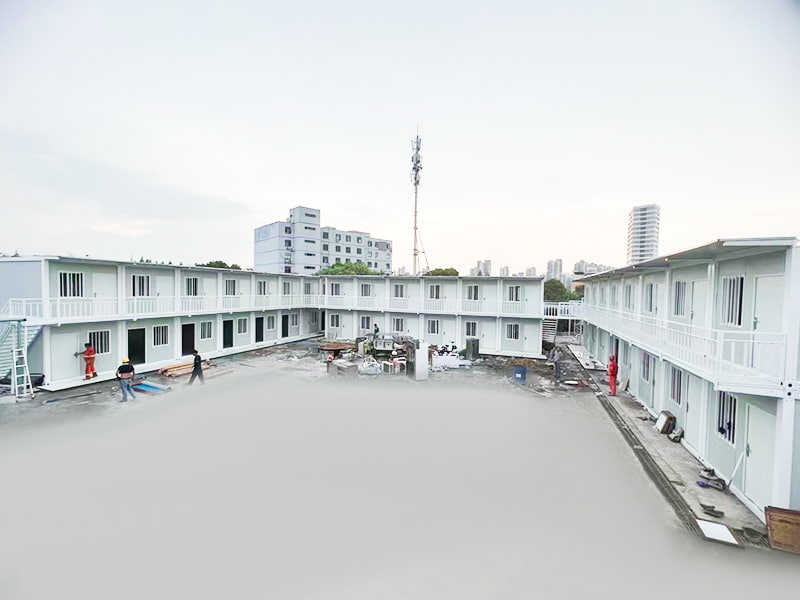
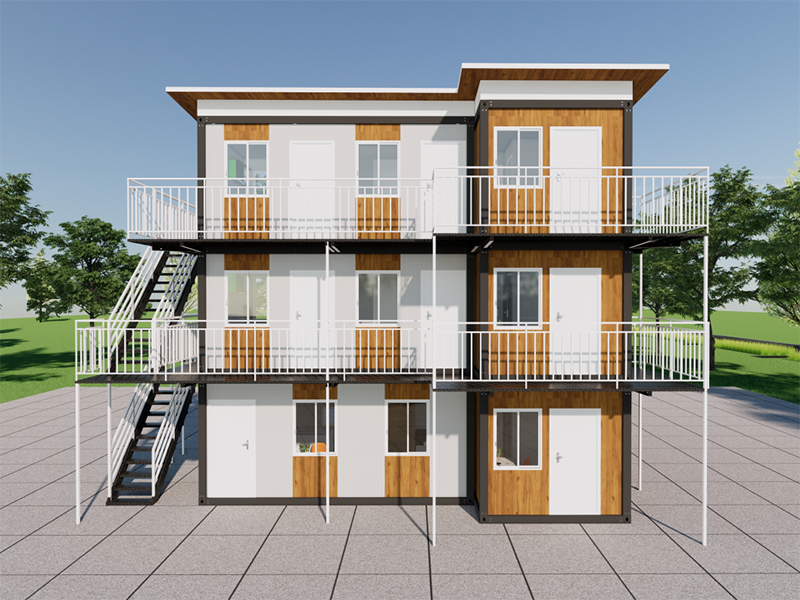
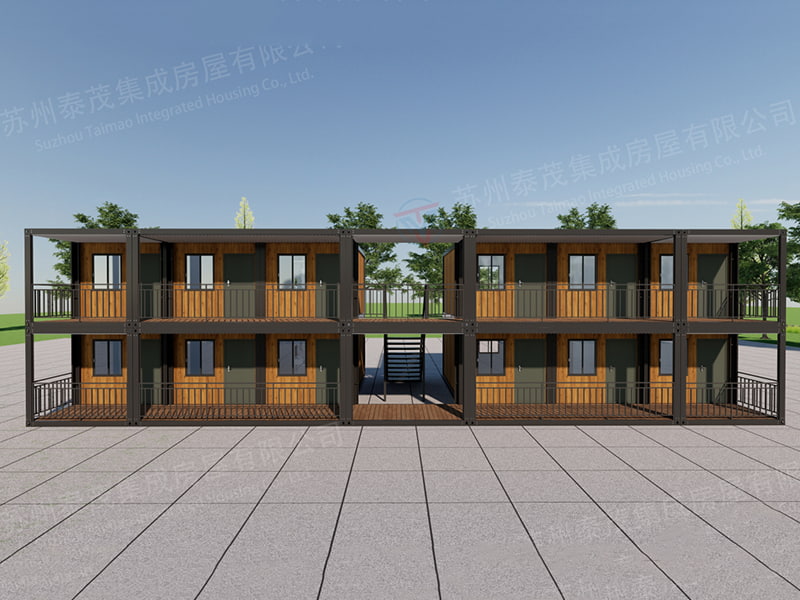
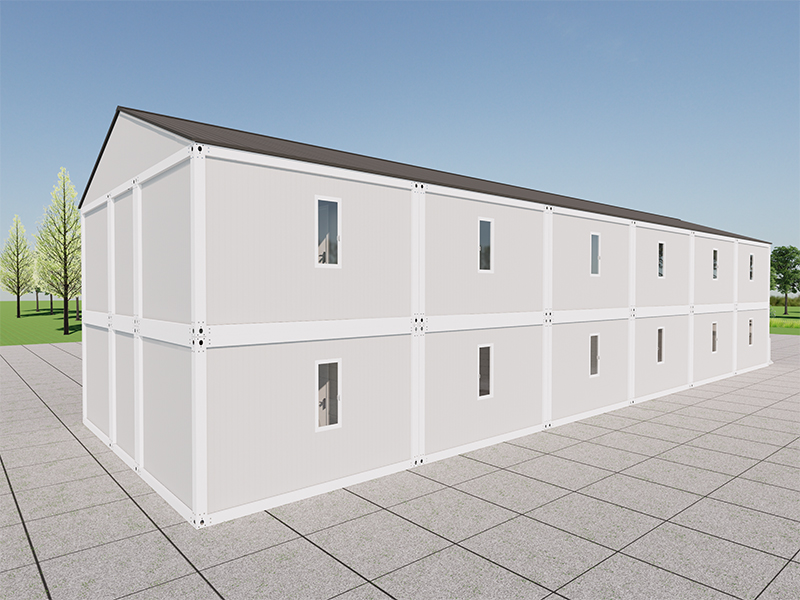
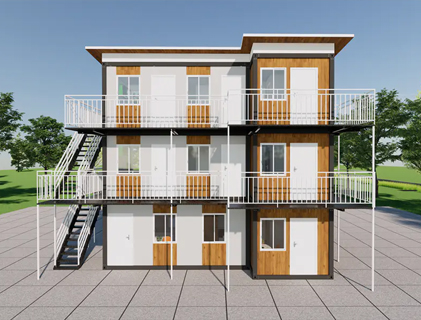
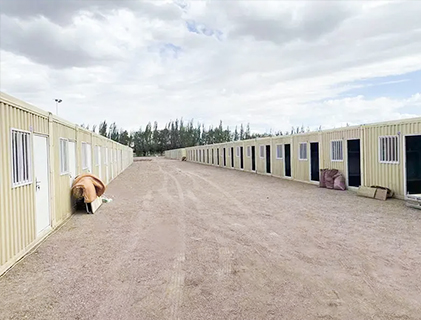
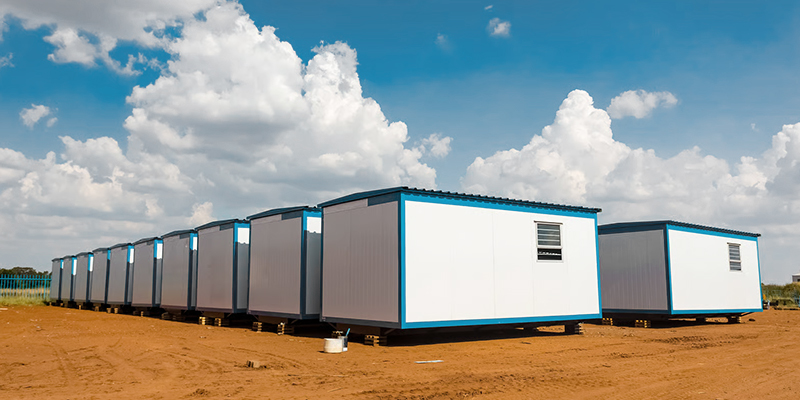
Quick Installation and Efficient Deployment: Assemble container houses feature a modular, splicing design. The installation process requires no large tools, and a team of two can complete 3–4 units per day, significantly reducing deployment time—ideal for projects with tight schedules.

Sturdy Structure and Durability: The frames are typically made of Q235 galvanized steel with rust-proof treatment, capable of withstanding wind levels up to grade 12. With a service life of 8–10 years, they are suitable for long-term fixed setups such as construction site dormitories or temporary offices.

Cost-Effectiveness and Economy: One 40HQ shipping container can hold 18 units, offering high transport efficiency and lower logistics costs.

Wide Applicability: They support both horizontal and vertical combinations and can integrate dormitories, offices, bathrooms, and other functions. Suitable for construction sites, emergency housing, urban infrastructure projects, and more. With additional insulation or waterproof flooring, they can adapt to different climate conditions.

Comprehensive Service Support: Leading companies provide pre-sales technical support (e.g., 3D visualization) and post-sales remote guidance. Some brands even assign on-site engineers for overseas projects, ensuring smooth installation and usage experience.

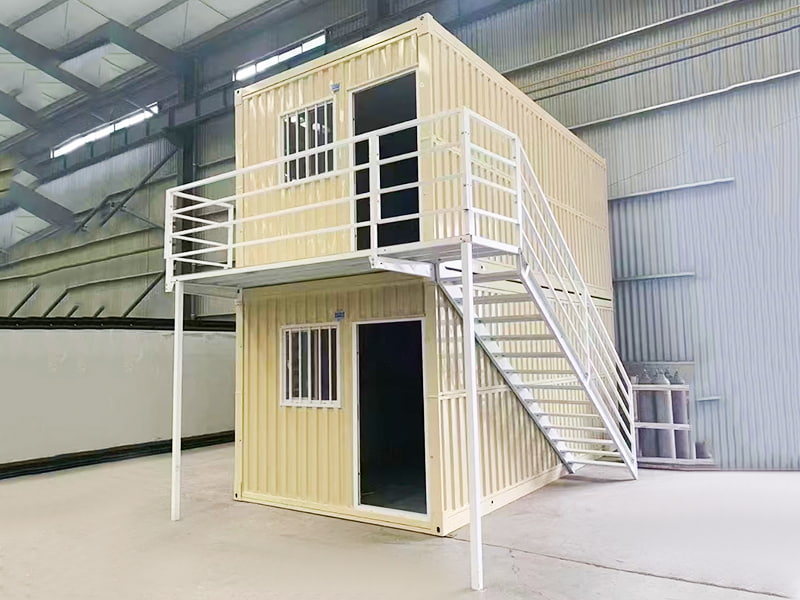
Suzhou Taimao Integrated Housing Co., Ltd. Product Category Folding Container House

Outstanding Transport Convenience: Folding container houses feature hydraulic or manual folding structures. When folded, their volume can be reduced to 1/3, allowing 12 units to fit in a 40HQ container. This reduces transportation costs by 30%–40%, while overall damage during transport remains below 3%. Hoisting operations are simple and efficient.

Rapid Deployment Capability: A team of 2–3 people can unfold a single unit within 30 minutes, without the need for professional installation teams. Ideal for emergency rescue, short-term commercial events, and other scenarios requiring quick setup.

Strong Scenario Adaptability: Primarily designed for short-term needs, such as exhibition booths, market stalls, temporary shelters (capable of housing hundreds of people), and geological exploration camps.

Suzhou Taimao Integrated Housing Co., Ltd. Product Category Double-Wing Expandable Container House

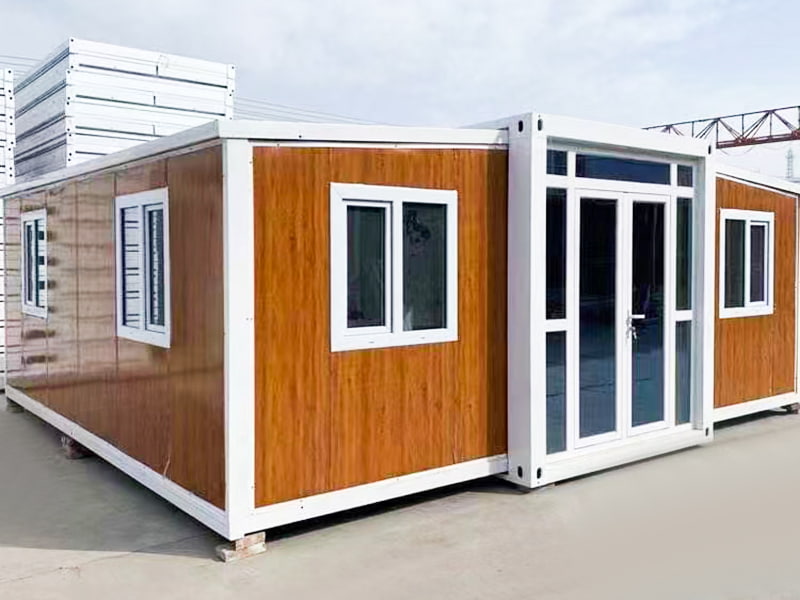
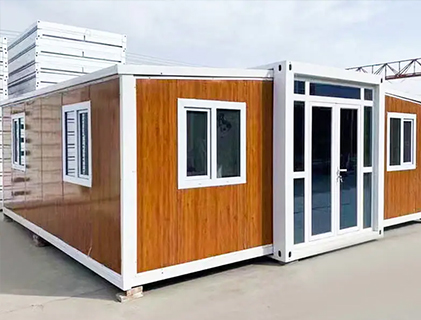
High Transportation Efficiency: Utilizing a folding design, the volume is significantly reduced when folded to approximately 1/3 of its unfolded size. Two standard 40-foot high cube shipping containers can be loaded.

Convenient and Quick Installation: The modular prefabrication design enables efficient on-site installation. The entire container unit unfolds to a space of 36 square meters, requiring only one crane and six workers. Assembly can be completed within two hours, requiring no complex foundations or specialized skills. Suitable for emergency deployment, construction site dormitories, and other scenarios with high rapid deployment requirements.

Flexible and Expandable Space: Supports horizontal splicing, vertical stacking, or a combination of different-sized units. Unfolded areas range from 18 square meters to 72 square meters, allowing for flexible planning as office, accommodation, or commercial space to meet diverse needs.

Durable Structure and Controllable Cost: Constructed with high-specification anti-corrosion steel, it possesses excellent wind and earthquake resistance, a long service life, low maintenance costs, and controllable total lifespan costs. It offers high cost-effectiveness in short-term use and long-term durability comparable to traditional buildings.

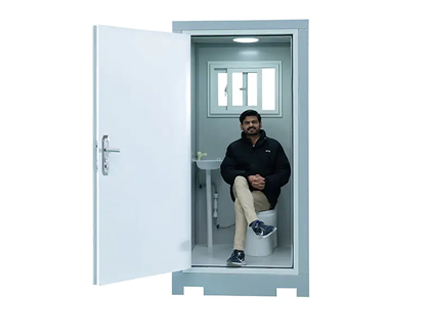
Suzhou Taimao Integrated Housing Co., Ltd. Product Category Portable Restroom Outdoor Toilet

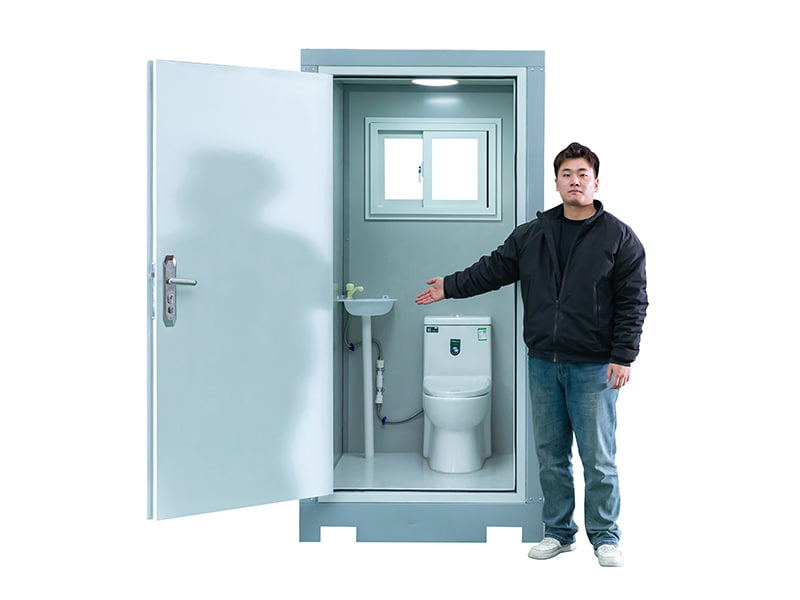
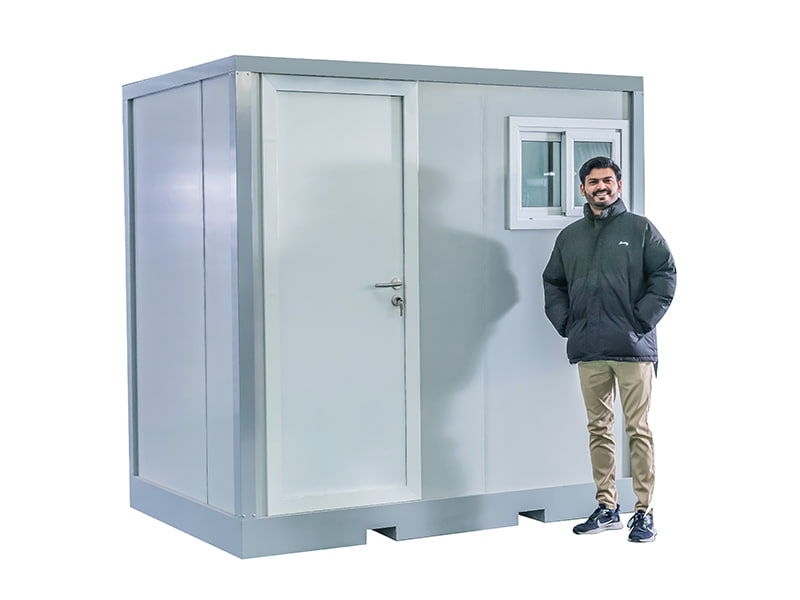
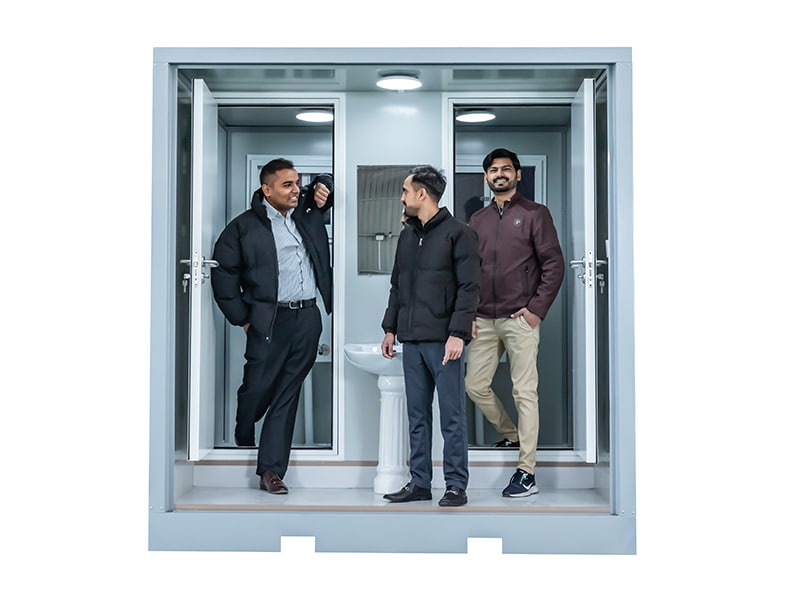
Flexibility and Convenience: Portable toilets require no complex civil engineering and can be moved at any time, facilitating rapid deployment and adjustment at construction sites, tourist attractions, large events, and other locations.

Environmentally Friendly and Energy-Saving Design: Utilizing water-saving technologies, foam sealing, or microbial treatment systems, these toilets reduce water consumption and pollution emissions. Some models are also equipped with solar power or waste treatment devices.

Hygiene and Efficient Cleaning: The sealed design and automatic cleaning systems (such as sensor flushing and ultraviolet disinfection) effectively prevent the spread of germs and maintain a clean internal environment.

Durability and Cost-Effectiveness: The lightweight steel structure ensures durability while reducing building material and labor costs, resulting in lower operating and maintenance costs over long-term use.

User-Friendly and Multifunctional: Equipped with comprehensive internal facilities such as air conditioning, mirrors, and charging ports, some models also incorporate a makeup area and barrier-free design, enhancing the user experience.

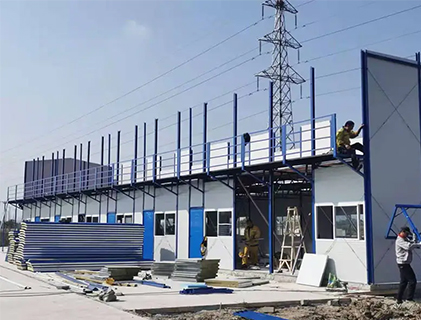
Suzhou Taimao Integrated Housing Co., Ltd. Product Category K-Type Prefabricated Houses

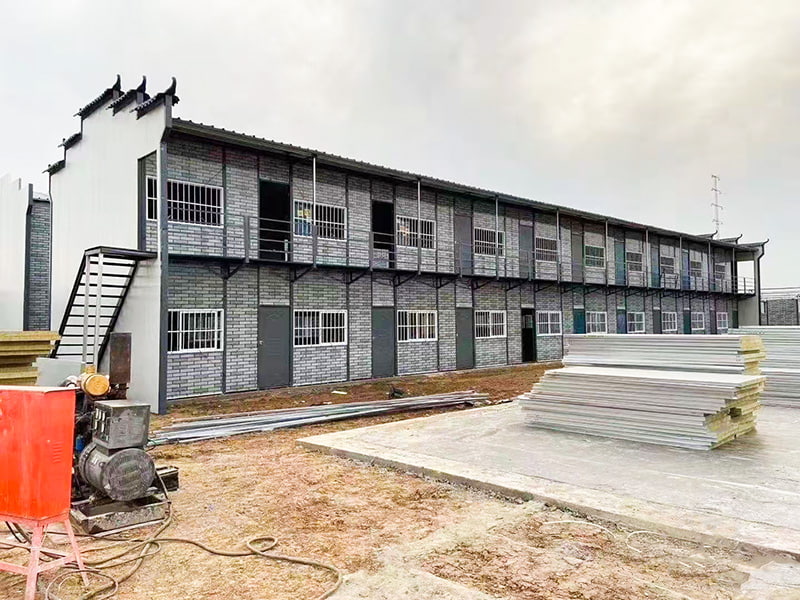
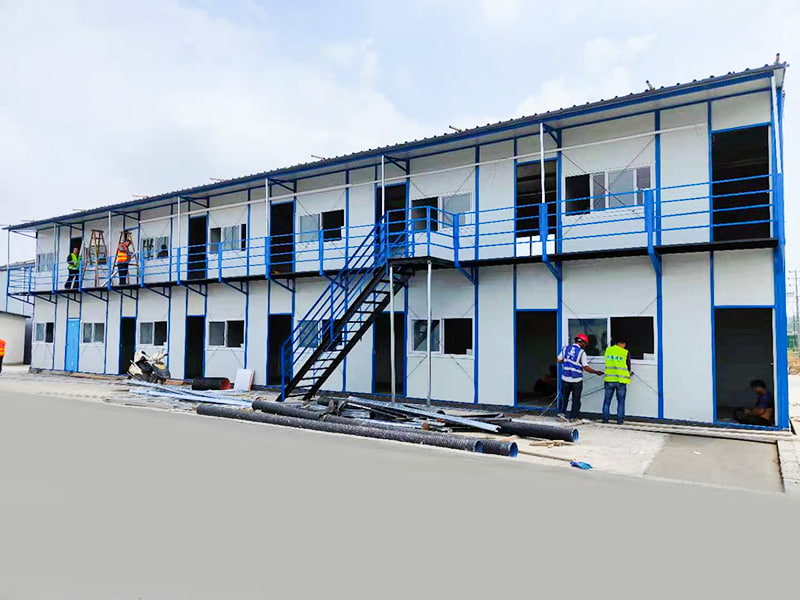
Rapid Installation and Flexible Layout: Utilizing bolted connections and a modular design, installation requires no complex tools. Approximately 80 square meters can be assembled in a single day, and 200 square meters of components can be transported in a 40-foot container. Standardized modules (e.g., 1.82 meters) support free combination from single to three stories, and internal partitions can be flexibly adjusted to meet diverse needs such as offices and dormitories.

Robust, Durable, and Reliable: The cold-formed thin-walled steel frame and color steel sandwich panel enclosure system constitute a box-type structure, with wind resistance exceeding level 8 and seismic fortification intensity of 7 degrees. The floor load-bearing capacity is 150 kg/m², and the structural waterproofing design requires no additional treatment. After anti-corrosion treatment, the light steel structure has a service life exceeding 10 years, and components can be reused more than 10 times, with an annual loss rate of less than 5%.

Economical, Environmentally Friendly, and Highly Efficient: Factory prefabrication ensures dimensional errors are controlled within ±3mm, and the cost of a single disassembly and assembly is only 20% of that of new construction; high material recycling rate, with 95% recyclable; no wet construction pollution; price approximately 220 RMB/square meter, with a resale value of 30-50 RMB/square meter, resulting in significantly lower long-term operating costs compared to traditional buildings.

Widely Applicable and Customizable: Suitable for outdoor scenarios such as roads, railways, and construction sites, as well as temporary housing for disaster relief and commercial facilities; supports operation in environments from -20℃ to +50℃; wall and roof colors are optional; sound insulation performance reaches 40dB, meeting functional requirements under complex conditions.


Suzhou Taimao Integrated Housing Co., Ltd. TAIMAO Story about TAI MAO Building Power, Building Trust

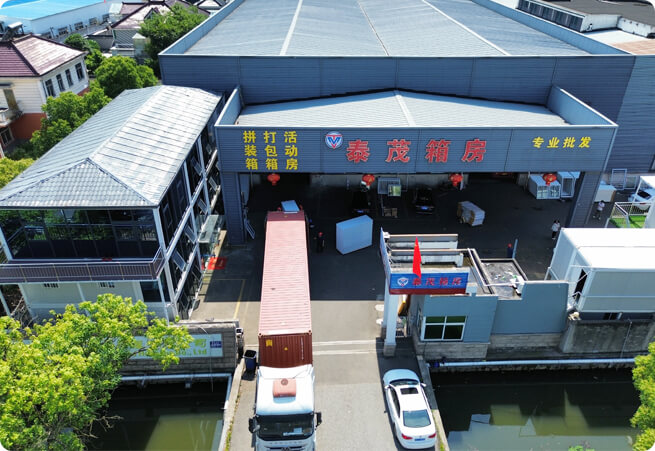
As China modular building suppliers and modular container building factory, Suzhou Taimao Integrated Housing Co., Ltd. specializes in delivering globally certified modular building solutions, offering industry-leading modular design, proprietary manufacturing technologies, and end-to-end digital software support. Our mission is to accelerate project timelines, boost operational efficiency, minimize ecological impact, and uphold uncompromising standards of quality and safety.


Our flagship SIP (Structural Insulated Panel) modular building system integrates structure, insulation, MEP (mechanical, electrical, plumbing), HVAC, interior finishes, and smart home technologies into a single, unified solution. This rapid assembly technology shifts the majority of on-site construction and finishing work to controlled factory environments.

Once prefabricated modules are shipped to the project site, on-site assembly can be completed in just days—or even hours. Our modular solutions are defining the future of sustainable construction.

Suzhou Taimao Integrated Housing Co., Ltd.
Certificate Of Honor
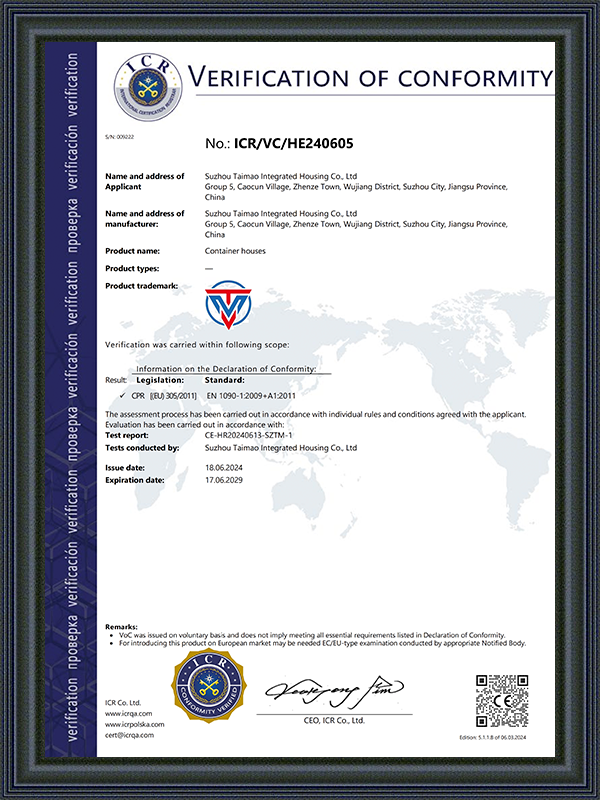
  • CE Certification
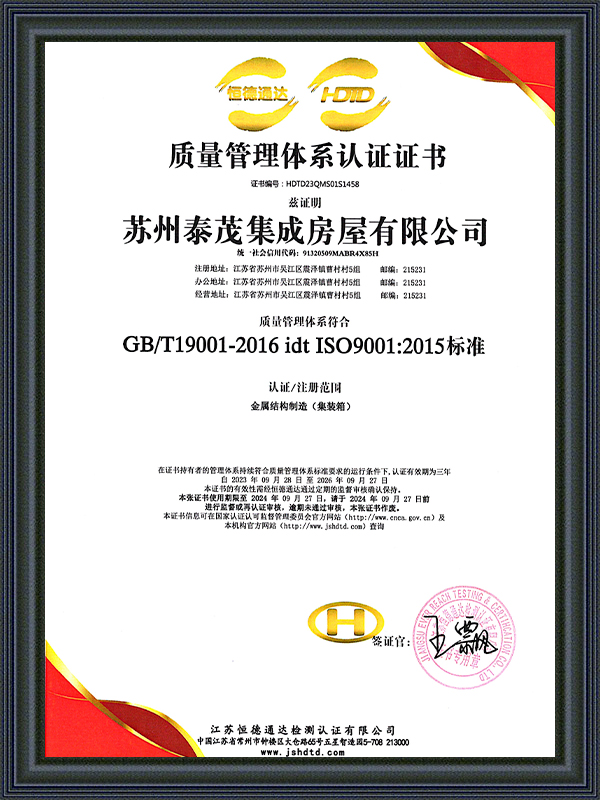
  • ISO Certification
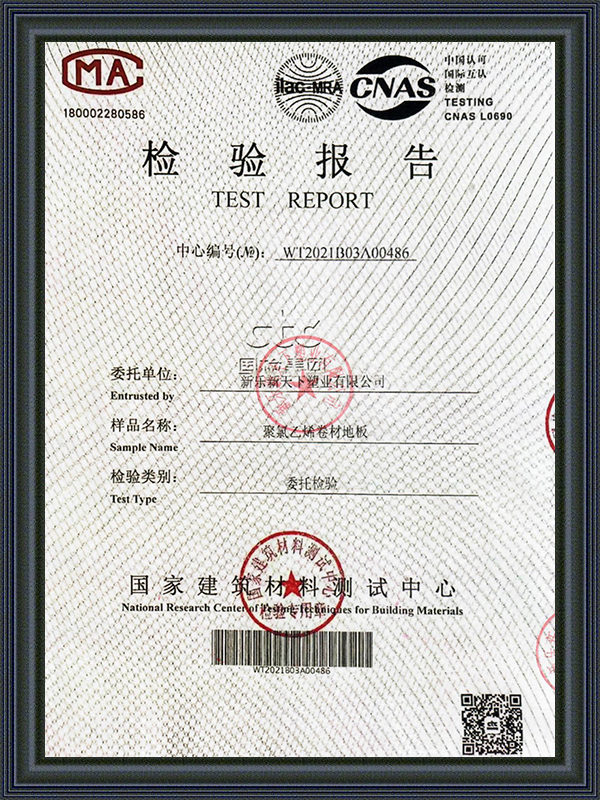
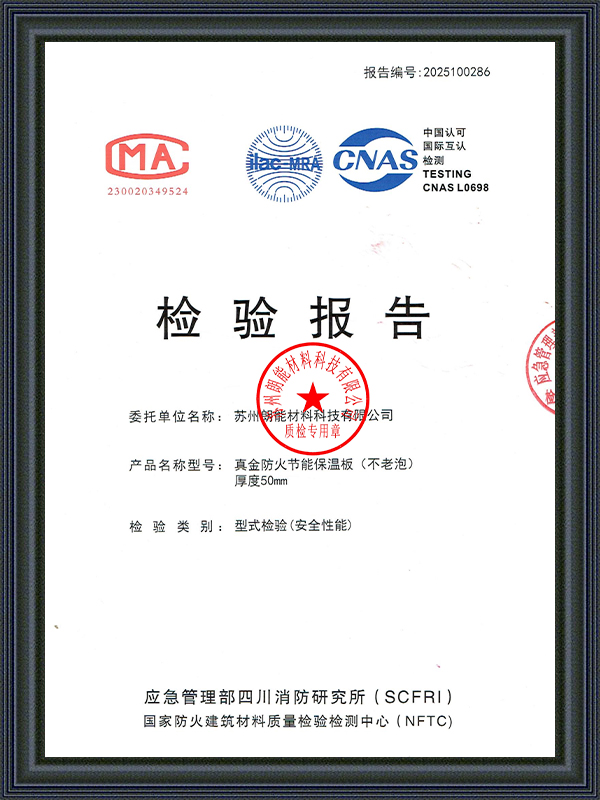
  • Test Report
  • Test Report
BLOG
  • Conclusion: High-quality assemble container houses use corrosion-resistant steel framing (typically Q235B or Q355B), closed-cell spray foam or rigid board insulation (R-value ≥ 13), structural insulated panels (SIPs) for roof and walls, and weather-resistant cladding materials like color-coated steel or fiber cement board. The choice of...

    READ MORE
  • Conclusion: The most common problems when assembling container houses include inadequate foundation preparation, improper sealing between modules, damaged insulation during transport, misaligned connection points, and incorrect weatherproofing — all of which can be prevented with proper planning and quality container house manufacturer ...

    READ MORE
  • Yes — modular container buildings can be highly energy efficient, often outperforming conventionally built structures when the right insulation, sealing, and systems are applied. Studies from the modular construction sector indicate that factory-built modules can reduce energy consumption by 20–40% compared to equivalent site-built struc...

    READ MORE
Message Feedback
Industry knowledge

1. What Is a Modular Container Building?

A modular container building is a prefabricated structure assembled from standardized, factory-built modules — often derived from or inspired by ISO shipping container dimensions. These modules are manufactured off-site under controlled conditions, then transported and assembled on-site with speed and precision. Studies show that modular construction can reduce project timelines by 30–50% compared to conventional building methods.

Modular container buildings are widely used in residential housing, commercial offices, schools, healthcare facilities, military camps, and disaster relief shelters. Their flexibility, durability, and scalability make them one of the fastest-growing segments in the global construction industry.

2. Key Advantages of Modular Container Buildings

(1) Speed of Construction

Because modules are produced in a factory while site preparation occurs simultaneously, overall construction time is dramatically compressed. A multi-story modular building that would take 18 months using traditional methods can often be completed in 6–9 months.

(2) Cost Efficiency

Factory production minimizes material waste, reduces labor costs, and limits on-site delays caused by weather. Cost savings of 10–20% over conventional construction are commonly reported by leading modular building manufacturers.

(3) Sustainability

Modular construction generates up to 90% less site waste than traditional building. Modules can be disassembled, relocated, or reconfigured, extending the useful life of materials and reducing lifecycle carbon emissions significantly.

(4) Quality Control

Prefabricated building manufacturers produce modules in ISO-certified factory environments with consistent quality inspections at every stage — a standard that is difficult to replicate on a conventional construction site exposed to weather, labor variability, and logistical interruptions.

3. Modular vs. Traditional Construction: A Comparison

Modular Container Building vs. Traditional Construction — Key Metrics
Metric Modular Building Traditional Construction
Timeline Reduction 30–50% faster Baseline
Site Waste Up to 90% less High
Quality Consistency Factory-controlled Variable
Relocation / Reuse Yes No
Weather Dependency Low High

4. Common Applications

Modular building suppliers serve a broad spectrum of sectors. Common applications include:

  • Residential housing — affordable single-family homes and multi-story apartment blocks
  • Commercial offices — fast-deployable workspace solutions for growing businesses
  • Education facilities — classrooms and dormitories with rapid deployment needs
  • Healthcare clinics — temporary or permanent medical facilities in underserved areas
  • Disaster relief shelters — rapidly deployed housing after natural disasters
  • Industrial and mining camps — worker accommodation in remote locations

5. About Suzhou Taimao Integrated Housing Co., Ltd.

Suzhou Taimao Integrated Housing Co., Ltd. specializes in delivering globally certified modular building solutions, offering industry-leading modular design, proprietary manufacturing technologies, and end-to-end digital software support. Our mission is to accelerate project timelines, boost operational efficiency, minimize ecological impact, and uphold uncompromising standards of quality and safety.

Our flagship SIP (Structural Insulated Panel) modular building system integrates structure, insulation, MEP (mechanical, electrical, plumbing), HVAC, interior finishes, and smart home technologies into a single, unified solution. This rapid assembly technology shifts the majority of on-site construction and finishing work to controlled factory environments.

Once prefabricated modules are shipped to the project site, on-site assembly can be completed in just days — or even hours. As one of the most innovative modular building manufacturers in China, Taimao's modular solutions are defining the future of sustainable construction.

6. Frequently Asked Questions

Q1: How durable are modular container buildings?

When constructed with high-quality materials and certified manufacturing processes, modular container buildings can last 50 years or more — comparable to conventional construction. Steel-framed modules are resistant to seismic activity, wind loads, and harsh weather conditions when engineered to local building codes.

Q2: Can modular buildings be expanded or reconfigured later?

Yes. This is one of the defining advantages of modular construction. Additional modules can be added vertically or horizontally, and existing modules can be relocated or repurposed. Leading prefabricated building manufacturers design modular systems with future expansion in mind from the outset.

Q3: Do modular buildings meet local building codes and certifications?

Reputable modular building suppliers design and manufacture to international standards including ISO, CE, and local regulatory codes. Factory-based production often makes it easier to achieve consistent certification compliance than variable on-site construction. Always confirm certifications with your supplier before procurement.

Q4: What is the typical lead time from order to installation?

Lead times vary by project complexity, but most standard modular container building projects move from signed contract to on-site delivery within 8–16 weeks. On-site assembly of pre-built modules typically takes days rather than months, making the total timeline far shorter than conventional construction of equivalent scope.