

 EN
EN
 русский
 Español
 عربى
عربى Français
 Product Category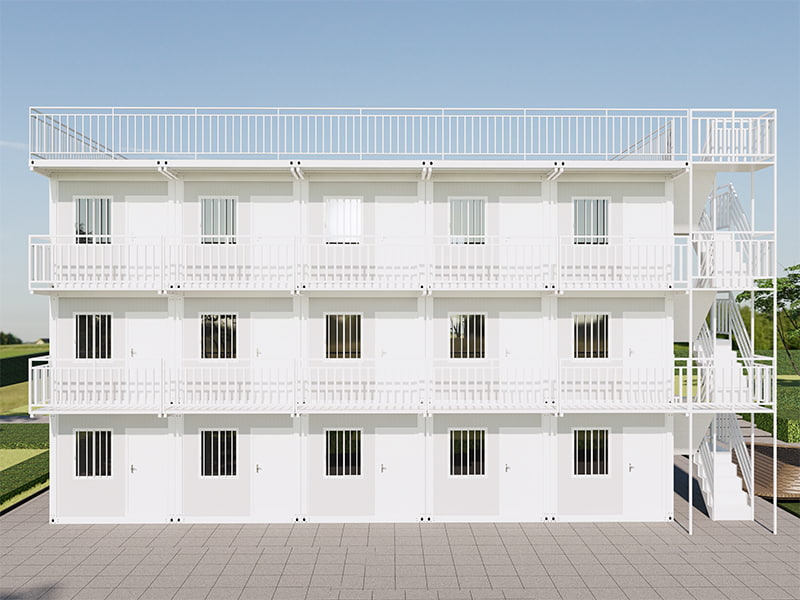
1. What Is a Container Van House?
A container van house is a residential structure built from repurposed or purpose-built steel shipping containers. These homes range from compact tiny container homes of just 20 square meters to spacious multi-container residences exceeding 150 square meters. With global housing costs rising and environmental consciousness growing, container van houses have emerged as one of the most practical and sustainable alternatives to conventional construction.
The global modular and container housing market was valued at over USD 52 billion in 2023 and is projected to grow at a CAGR of 6.5% through 2030 — driven by demand for affordable, fast-build, and relocatable housing solutions.
2. Types of Container Van Houses
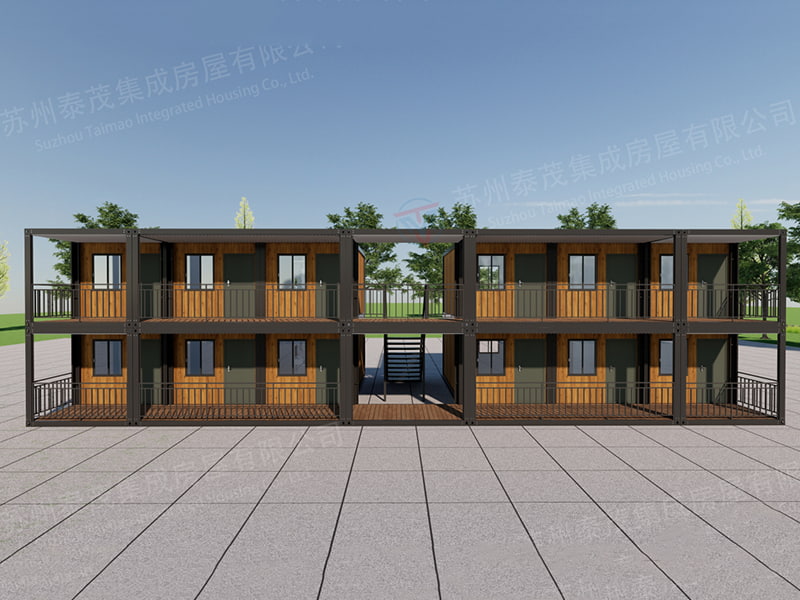
(1) Standard Single-Container Units
Built from a standard 20-foot (6m) or 40-foot (12m) ISO container, these units are ideal as small container homes for sale in urban and suburban markets. A 40-foot container provides approximately 30 square meters of usable interior space — enough for a studio layout with kitchen, bathroom, and sleeping area.
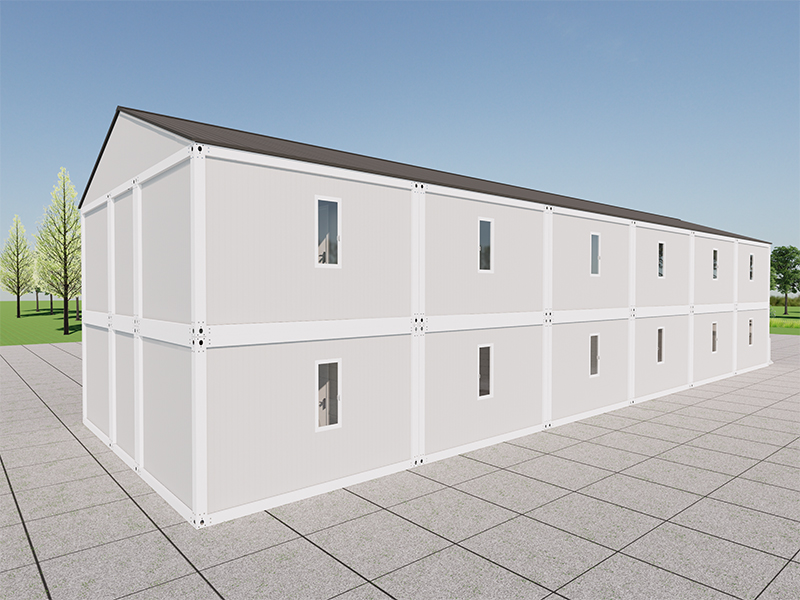
(2) Knock Down Container Houses
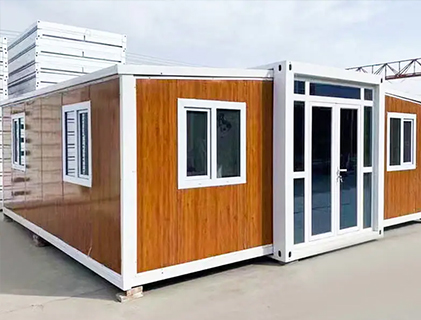
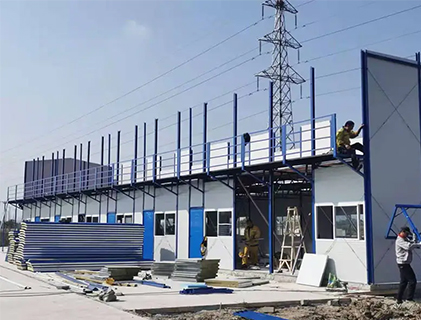
A knock down container house is a flat-pack design that is manufactured in components, shipped compactly, and assembled on-site. This format reduces shipping volume by up to 75% compared to pre-assembled container homes, making it highly cost-effective for export and remote deployments. Assembly typically takes 1–3 days with a small crew.
(3) Portable Living Containers
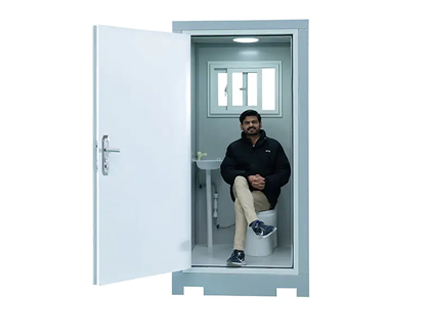
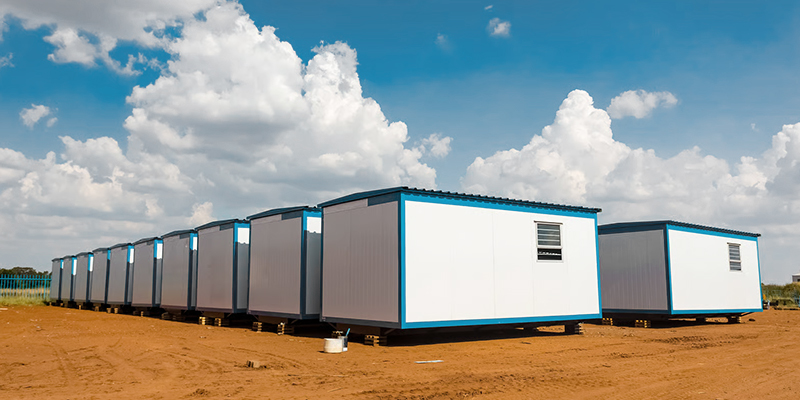
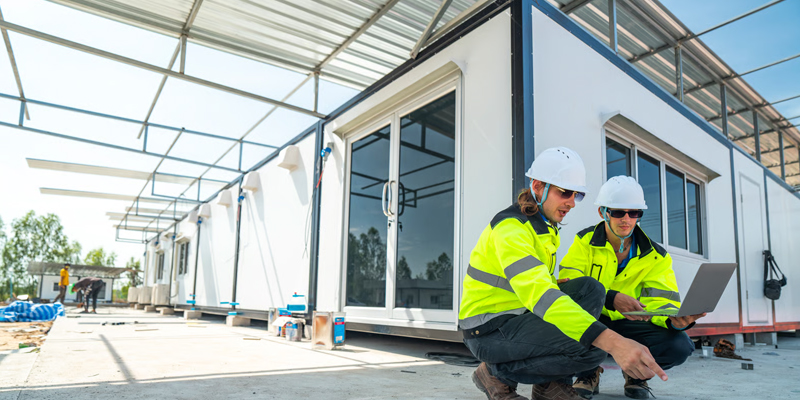
Portable living containers are designed for mobility and temporary use — popular for construction site offices, remote work camps, tourism glamping sites, and emergency housing. They arrive fully fitted and can be relocated with standard lifting equipment, making them a genuinely reusable asset.
(4) Multi-Container Custom Homes
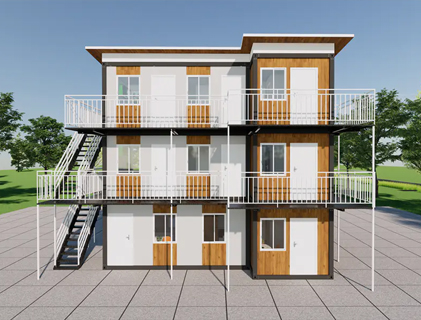
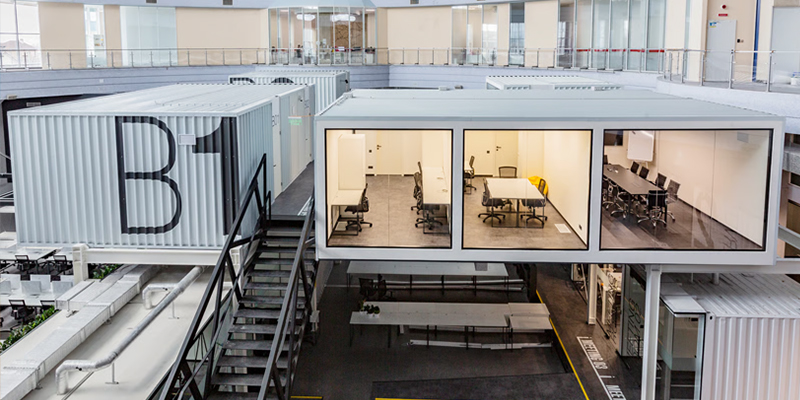
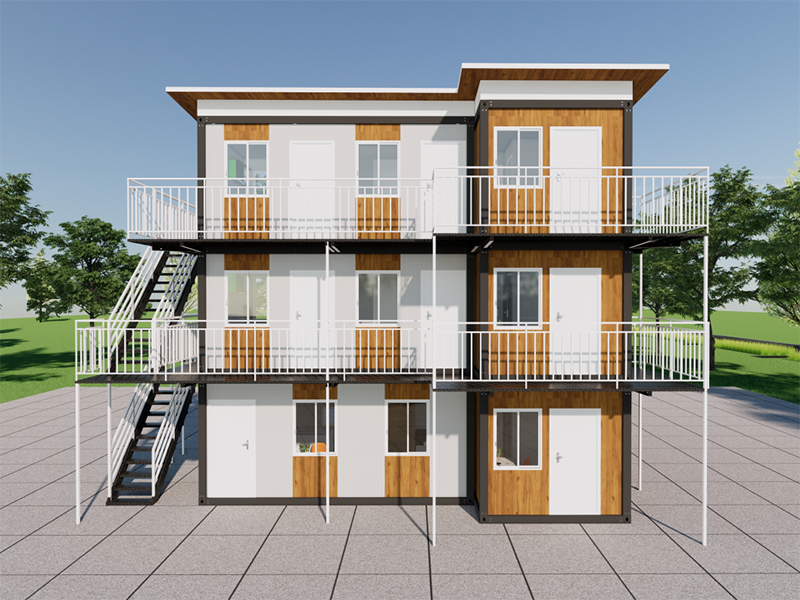
Multiple containers stacked or joined side-by-side create larger floor plans suited to families or commercial use. These configurations allow for 2–3 bedroom layouts, open-plan living spaces, and rooftop terraces — without sacrificing the structural integrity of the steel frame.
3. Container Van House vs. Traditional Construction
| Factor | Container Van House | Traditional Build |
|---|---|---|
| Build Time | Days to weeks | Months to years |
| Relocatability | Yes | No |
| Material Waste | Up to 90% less | High |
| Structural Lifespan | 25–50+ years | 50–100 years |
| Weather Dependency | Low (factory-built) | High |
4. Key Features and Specifications
Whether sourced as small container homes for sale or custom-ordered from a container house factory, modern container van houses typically include:
- Structural steel frame — Corten steel construction rated for wind loads up to 120 km/h and seismic zone compliance
- Insulated wall panels — EPS, rock wool, or polyurethane core panels with U-values meeting international energy codes
- Pre-installed MEP — Electrical wiring, plumbing runs, and HVAC connections completed in the factory before delivery
- Anti-corrosion treatment — Hot-dip galvanizing or epoxy coating for long-term exterior durability
- Interior finishes — Laminate flooring, gypsum board ceilings, and painted steel or composite exterior cladding options
5. Popular Applications Worldwide
Container van houses — including knock down container house kits and portable living containers — serve a remarkably diverse range of global use cases:
- Affordable housing projects — Governments and NGOs deploy container homes to address urban housing shortages at 40–60% of conventional construction cost
- Holiday and tourist cabins — Resorts use stacked container units as boutique accommodation with minimal land disruption
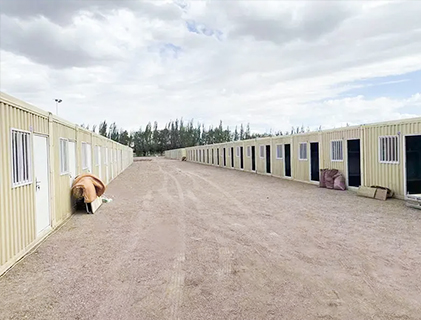
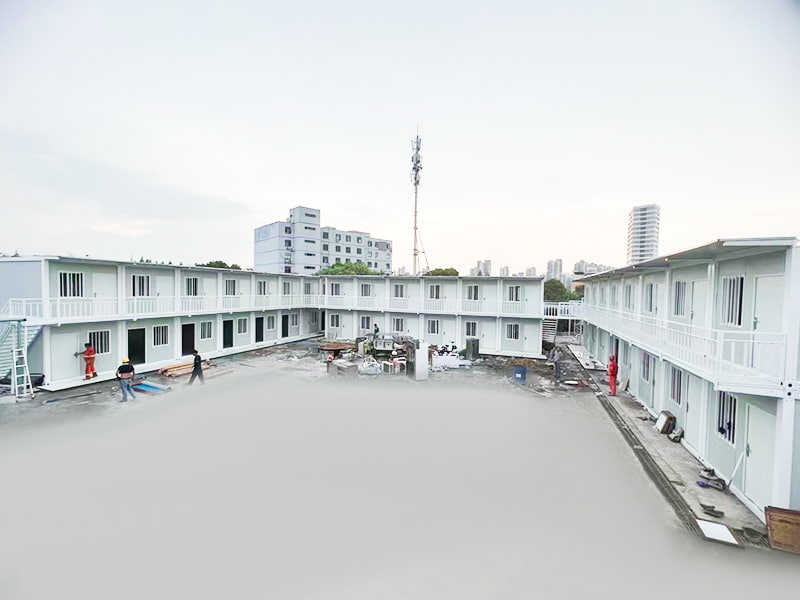
- Remote worker camps — Mining, oil, and infrastructure projects rely on portable container villages for on-site accommodation
- Disaster relief shelters — Prefabricated container units can be deployed within 48–72 hours following natural disasters
- Student and urban micro-housing — Tiny container homes are increasingly used near universities and city centers where land cost is prohibitive
6. Frequently Asked Questions
Q1: How long does it take to build a container van house?
Factory production of a standard container van house takes 2–6 weeks depending on customization level. On-site assembly for a knock down container house typically takes 1–5 days. This is dramatically faster than conventional construction, which averages 6–18 months for a comparable structure.
Q2: Are tiny container homes suitable for permanent living?
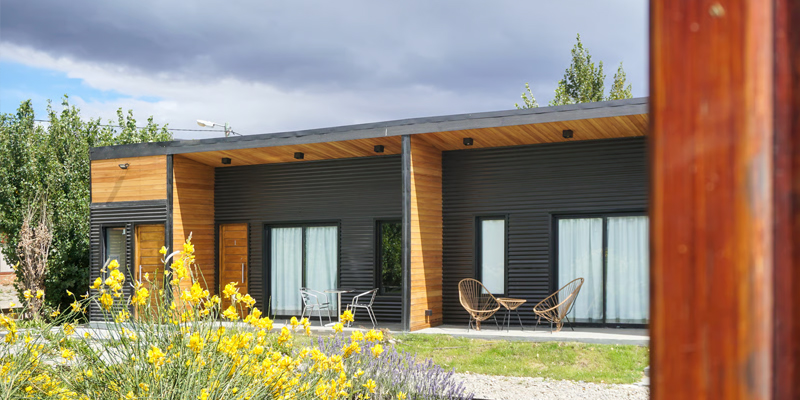
Yes. Tiny container homes built to residential building standards with proper insulation, ventilation, and weatherproofing are fully suitable for year-round permanent occupation. Many jurisdictions now have specific building codes for container homes, and working with a certified container house factory ensures compliance with local regulations.
Q3: Can portable living containers be connected to utilities?
Portable living containers can connect to mains electricity, water supply, and sewerage just like any conventional dwelling. They can also be configured for off-grid operation with solar panels, battery storage, and composting toilets — making them viable in locations without utility infrastructure.
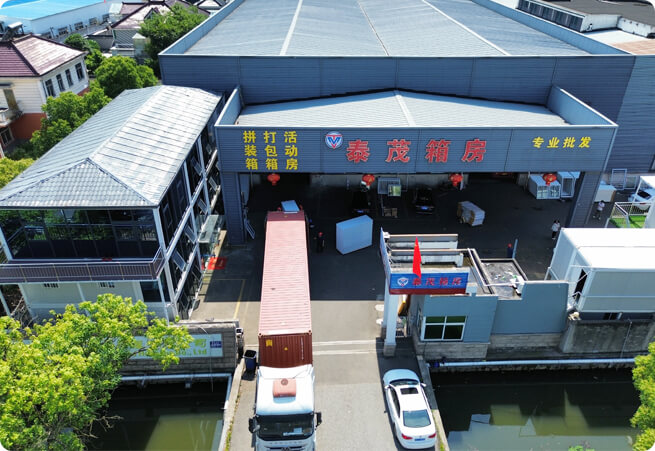
Q4: What should I look for in a container house factory?
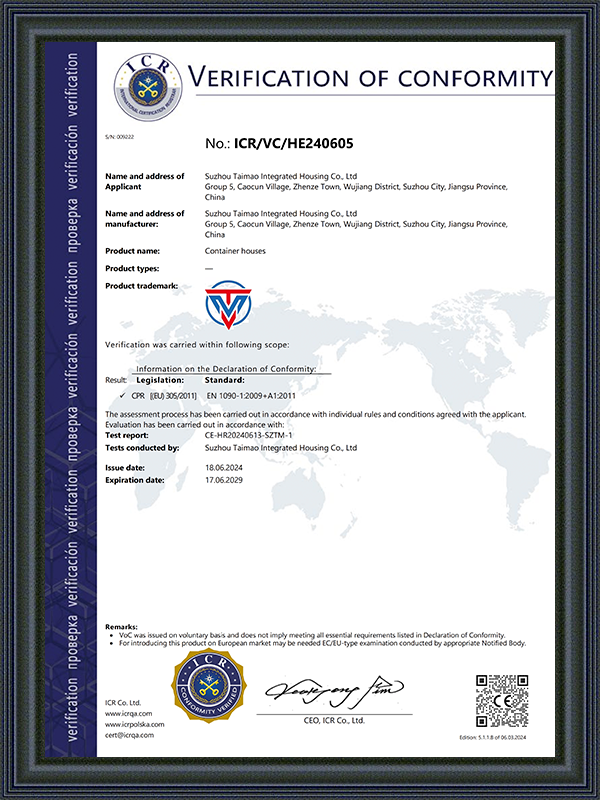
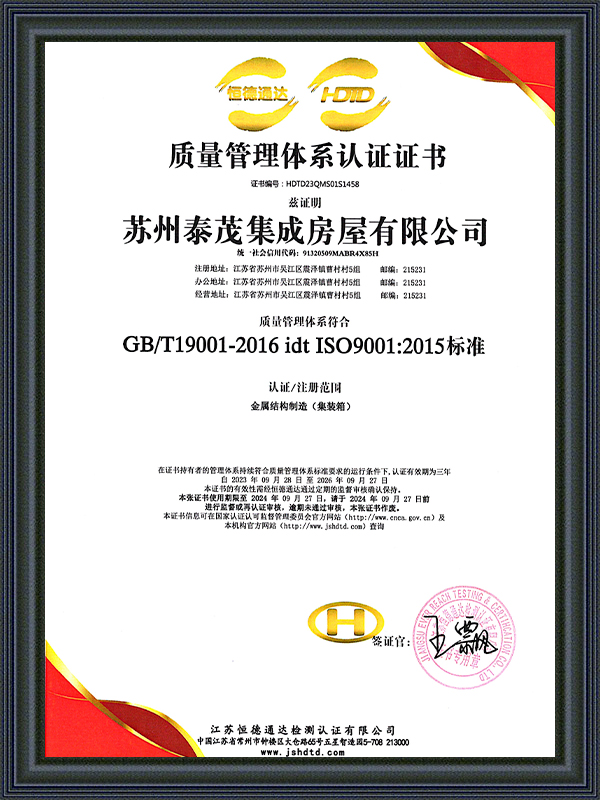
When sourcing from a container house factory, verify ISO 9001 quality management certification, review completed project references, confirm compliance with target country building standards, and request detailed material specifications for insulation, steel grade, and surface treatments. A reliable factory will provide full documentation and support custom design requirements.