

 EN
EN
 русский
 Español
 عربى
عربى Français
Sea shipment departure for customized container accommodation.
Admin 2026-07-23Content
- 1 Sea Shipment Departure for Customized Container Accommodation
- 2 From Factory to Port: The Pre-Shipment Process
- 3 Logistics and Sea Freight Considerations
- 4 On-Site Arrival and Rapid Assembly
- 5 Customization Options for Container Accommodation
- 6 Quality and Safety Standards
- 7 Shipping and Delivery Timeline Overview
- 8 Frequently Asked Questions
- 8.1 What types of container accommodation can be customized?
- 8.2 How are modules protected during sea shipment?
- 8.3 What documentation is required for international shipping?
- 8.4 Can modules be assembled without heavy machinery?
- 8.5 How are MEP connections handled during on-site assembly?
- 8.6 Is it possible to modify modules after delivery?
- 8.7 What support does Suzhou Taimao offer during the shipping and assembly process?
Sea Shipment Departure for Customized Container Accommodation
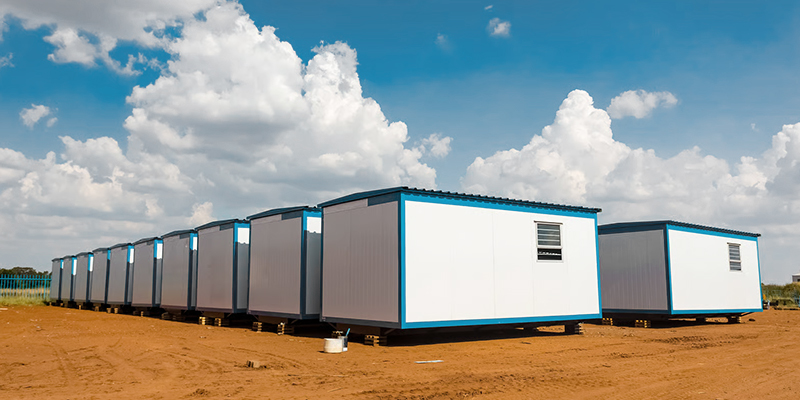
The global construction industry is witnessing a significant shift toward modular and prefabricated solutions, with container-based accommodation systems gaining particular traction. Sea shipment departure marks a critical milestone in the delivery of customized container accommodation projects, ensuring that prefabricated modules reach their destination efficiently and intact.
Suzhou Taimao Integrated Housing Co., Ltd. specializes in delivering globally certified modular building solutions, offering industry-leading modular design, proprietary manufacturing technologies, and end-to-end digital software support. Our mission is to accelerate project timelines, boost operational efficiency, minimize ecological impact, and uphold uncompromising standards of quality and safety.
Our flagship SIP (Structural Insulated Panel) modular building system integrates structure, insulation, MEP (mechanical, electrical, plumbing), HVAC, interior finishes, and smart home technologies into a single, unified solution. This rapid assembly technology shifts the majority of on-site construction and finishing work to controlled factory environments.
From Factory to Port: The Pre-Shipment Process
Before any sea shipment departure, a thorough pre-shipment process ensures that every customized container accommodation unit meets project specifications and quality standards. Factory fabrication allows for complete integration of structural, electrical, plumbing, and finishing systems within a controlled environment, minimizing the risk of on-site errors.
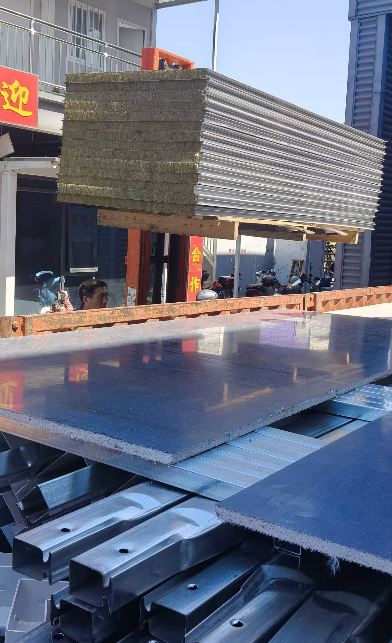
Key steps in the pre-shipment phase include:
- Design finalization – Custom layouts, finishes, and smart home integrations are confirmed with clients.
- Material procurement – All structural panels, MEP components, and interior materials are sourced and prepared.
- Factory assembly – SIP panels are fabricated, assembled with insulation, and finished with interior and exterior cladding.
- Quality inspection – Each module undergoes rigorous checks for structural integrity, airtightness, and system functionality.
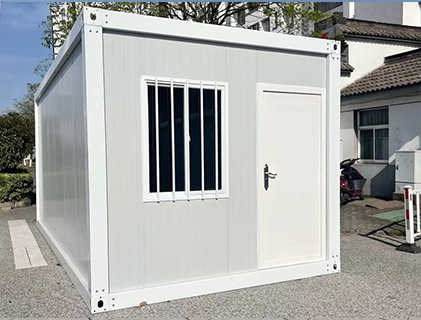
- Packaging and containerization – Modules are securely packed in shipping containers or flat-rack units to protect them during ocean transit.
This systematic approach ensures that once the vessel departs, the modules are ready for rapid on-site assembly upon arrival.
Logistics and Sea Freight Considerations
Sea shipment of customized container accommodation requires careful logistical planning to ensure timely and safe delivery. Proper container loading, weight distribution, and securing methods are essential to prevent damage during transit.
Typical sea freight considerations include:
- Vessel scheduling – Coordinating departure dates to align with project construction timelines.
- Route optimization – Selecting shipping routes that balance transit time and reliability.
- Customs and documentation – Preparing all necessary export/import paperwork, including bills of lading, certificates of origin, and compliance documents.
- Insurance and risk management – Securing appropriate marine cargo insurance to cover potential transit risks.
Our digital software support enables real-time tracking and documentation management, providing clients with visibility throughout the shipping process.
On-Site Arrival and Rapid Assembly
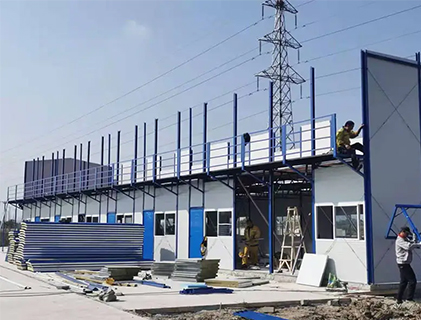
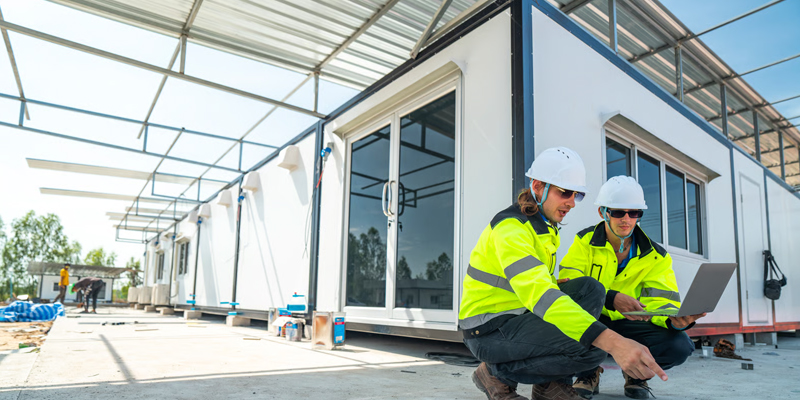
Once prefabricated modules are shipped to the project site, on-site assembly can be completed in just days—or even hours. This rapid deployment capability is a direct result of the factory-based prefabrication process, where the majority of construction and finishing work has already been completed.
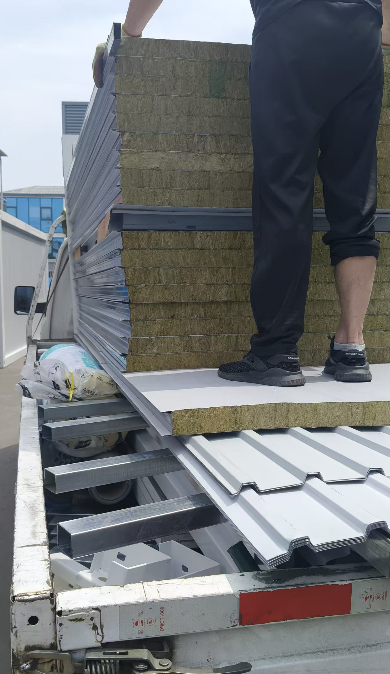
Upon arrival at the destination port, modules are transported to the project site, where a small team can quickly position and connect the modules. Key advantages of this approach include:
- Minimal on-site labor – Most work is already completed in the factory, reducing the need for large on-site crews.
- Reduced weather dependency – On-site work is limited to module placement and connection, which can proceed in most weather conditions.
- Immediate occupancy potential – With finishes pre-installed, facilities can be ready for use shortly after assembly.
Our modular solutions are defining the future of sustainable construction by combining factory precision with on-site speed.
Customization Options for Container Accommodation
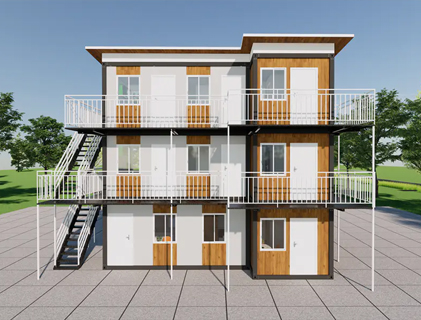
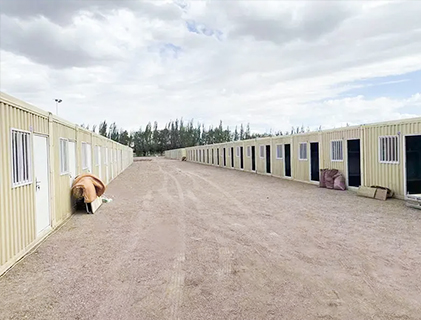
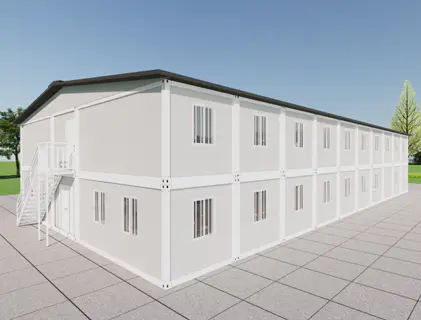
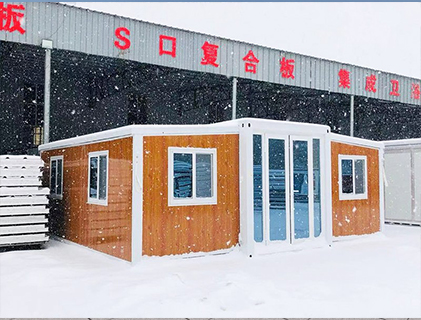
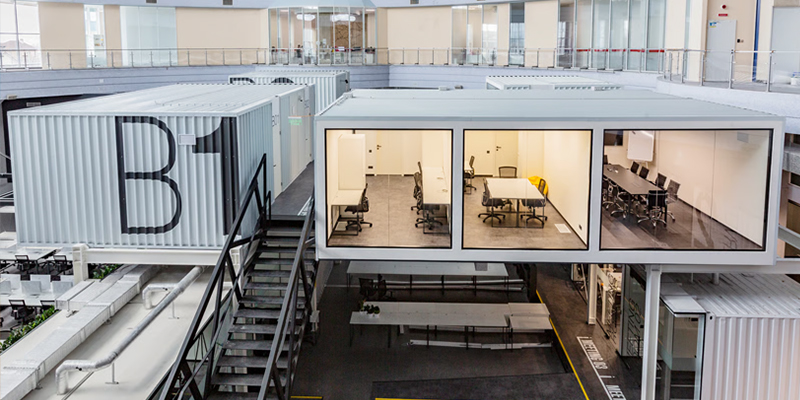
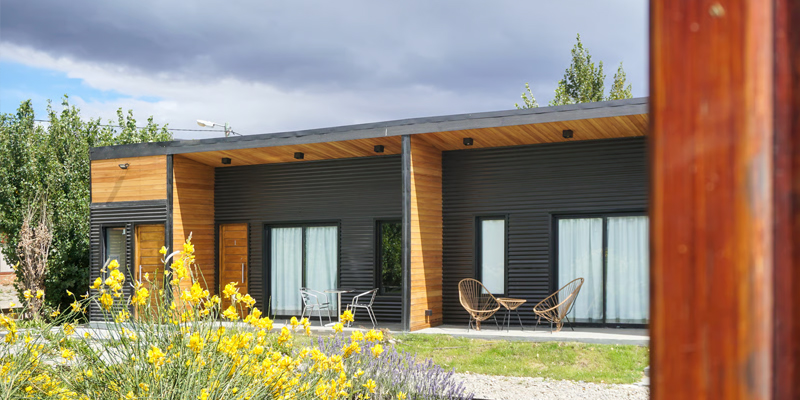
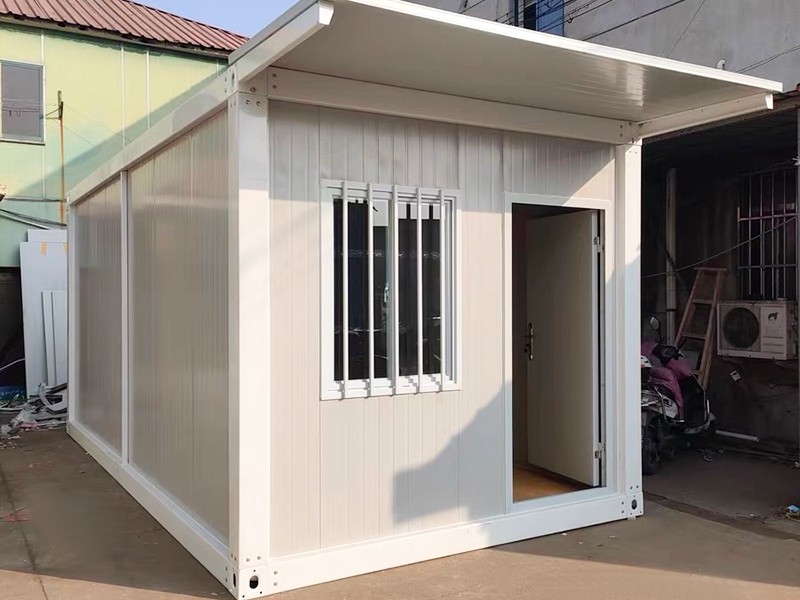
Customized container accommodation can be tailored to a wide range of applications, including workforce housing, remote site offices, emergency shelters, and recreational cabins. The SIP modular system offers extensive flexibility in layout, finishes, and building services.
Common customization features include:
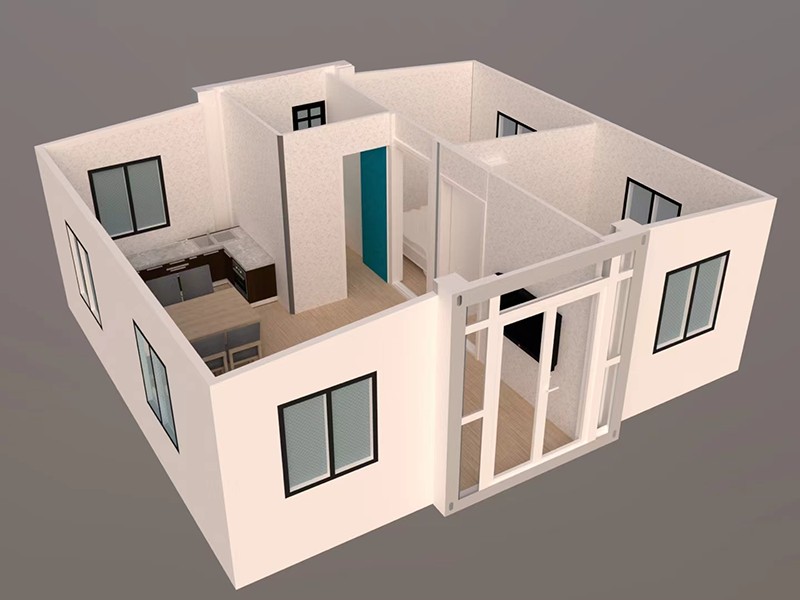
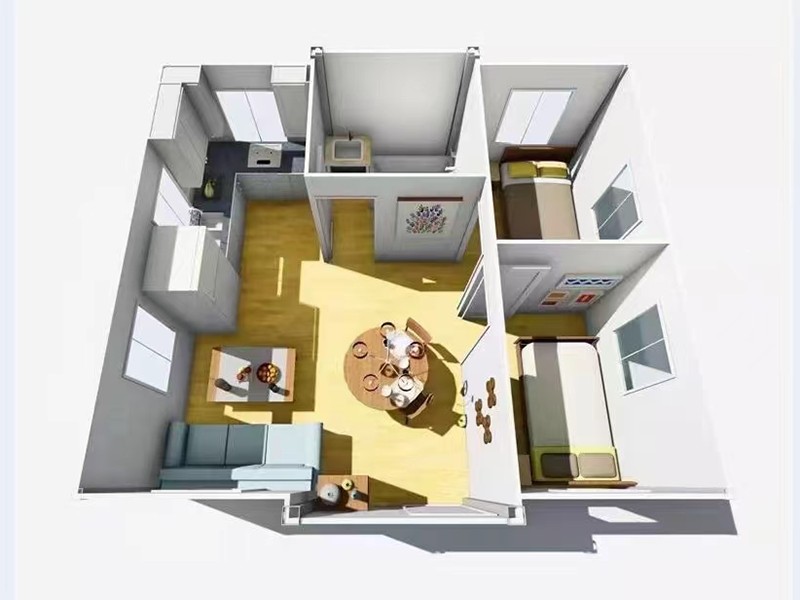
- Interior layouts – Single or multiple rooms, open-plan spaces, and partitioned areas.
- Finishes – Various flooring, wall paneling, and ceiling options to match project aesthetics.
- Smart home integration – Automated lighting, climate control, and security systems.
- HVAC and MEP systems – Heating, cooling, ventilation, and electrical/plumbing configurations to suit local climates and codes.
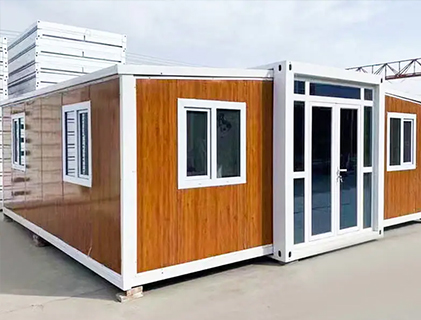
- Exterior cladding – Options ranging from weather-resistant panels to decorative facades.
These options allow clients to achieve functional and comfortable living or working spaces without compromising on quality or performance.
Quality and Safety Standards
All modules are manufactured in accordance with international building codes and certification standards. Rigorous quality control procedures are applied at every stage, from material sourcing to final inspection before shipment.
Our commitment to quality and safety is reflected in:
- Material certification – All structural panels, adhesives, and finishes are tested for performance and fire resistance.
- Structural integrity – SIP panels are engineered to withstand transportation stresses and environmental loads.
- System testing – MEP and HVAC systems are fully tested in the factory before disconnection for shipping.
By maintaining these high standards, we help ensure that each container accommodation project meets or exceeds client expectations.
Shipping and Delivery Timeline Overview
The following table provides a general overview of typical phases in the sea shipment and delivery process for customized container accommodation:
| Phase | Duration (Approximate) | Key Activities |
|---|---|---|
| Factory Fabrication | Weeks | Panel production, finishing, system installation |
| Pre-shipment Inspection & Packing | Days | Quality checks, container loading, securing |
| Sea Transit | Weeks (depending on destination) | Ocean freight, customs clearance |
| On-Site Assembly & Commissioning | Days to weeks | Module placement, connection, final testing |
Actual timelines vary based on project scale, destination, and specific customizations. Our team provides detailed scheduling support to align with client project requirements.
Frequently Asked Questions
What types of container accommodation can be customized?
We offer customization for a broad range of applications, including workforce housing, site offices, medical clinics, classrooms, and recreational cabins. The SIP modular system adapts to various sizes and functional requirements.
How are modules protected during sea shipment?
Modules are securely packed in shipping containers or on flat-racks with proper bracing, cushioning, and weatherproof covers. All openings are sealed to prevent moisture ingress during ocean transit.
What documentation is required for international shipping?
Typical documents include the bill of lading, packing list, commercial invoice, certificate of origin, and any necessary import permits or compliance certificates. Our logistics team assists with preparing all required paperwork.
Can modules be assembled without heavy machinery?
Most modules are designed for crane-assisted placement. However, for smaller units, alternative handling methods such as forklifts or rollers may be suitable. We provide specific handling recommendations based on module size and site conditions.
How are MEP connections handled during on-site assembly?
All MEP systems are pre-installed and tested in the factory. On-site, modules are connected using standardized quick-connect fittings for electrical, plumbing, and HVAC lines, minimizing on-site work.
Is it possible to modify modules after delivery?
While modules are delivered in a finished state, minor modifications such as adding shelving or changing fixtures can be done on-site. Major structural changes are not recommended after factory fabrication.
What support does Suzhou Taimao offer during the shipping and assembly process?
We provide end-to-end digital software support, including shipment tracking, documentation management, and remote technical assistance. Our project management team coordinates with clients to ensure smooth logistics and assembly.
For exclusive deals and latest offers, sign up by entering your email address below.

-
TEL:+86 18762912902
-
Email:cntaimao@163.com
-
WhatsApp:
-
Add:Group 5, Cao Village, Zhenze Town, Suzhou, Jiangsu, China
Copyright © Suzhou Taimao Integrated Housing Co., Ltd.
All Rights Reserved.
 Wholesale movable homes for sale
custom built modular homes
Wholesale movable homes for sale
custom built modular homes