


 EN
EN
 русский
 Español
 عربى
عربى Français
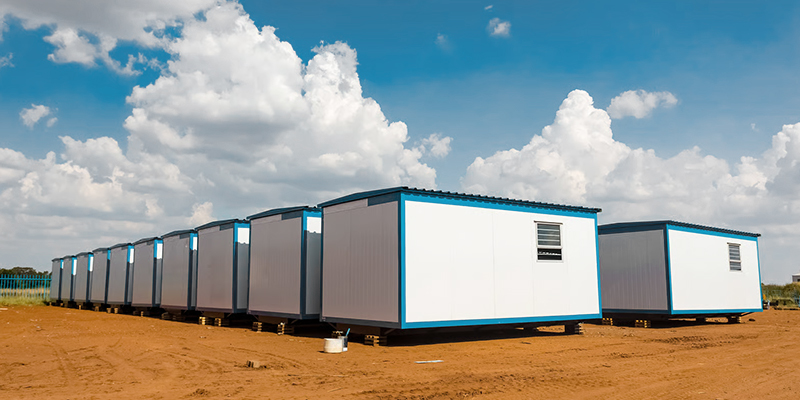
Mass container houses packed for international delivery.
Admin 2026-07-22Content
- 1 Mass Container Houses Packed for International Delivery
- 2 The Packing Process for Bulk Shipments
- 3 Logistics Management for Large-Scale Exports
- 4 Quality Assurance Before Departure
- 5 Sustainability in Modular Shipping
- 6 Shipping and Packing Comparison
- 7 Frequently Asked Questions
- 7.1 How are mass container houses packed for ocean transport?
- 7.2 What documentation is required for international delivery?
- 7.3 Can multiple modules be packed in a single container?
- 7.4 How are modules protected from corrosion during sea shipment?
- 7.5 What happens if a container is delayed at port?
- 7.6 Is on-site assembly affected by the packing method?
- 7.7 Does Suzhou Taimao provide tracking for shipments?
Mass Container Houses Packed for International Delivery
The global demand for rapid, reliable, and sustainable housing solutions has led to a significant increase in the production and export of container-based modular houses. Packing mass container houses for international delivery is a carefully orchestrated process that ensures each module arrives at its destination in optimal condition, ready for rapid on-site assembly.
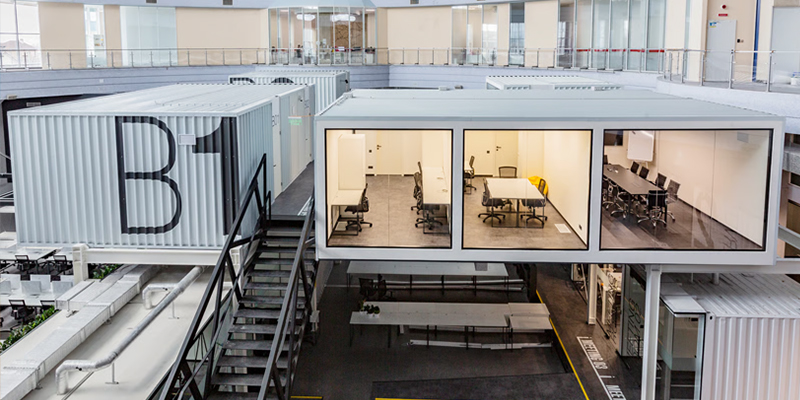
Suzhou Taimao Integrated Housing Co., Ltd. specializes in delivering globally certified modular building solutions, offering industry-leading modular design, proprietary manufacturing technologies, and end-to-end digital software support. Our mission is to accelerate project timelines, boost operational efficiency, minimize ecological impact, and uphold uncompromising standards of quality and safety.
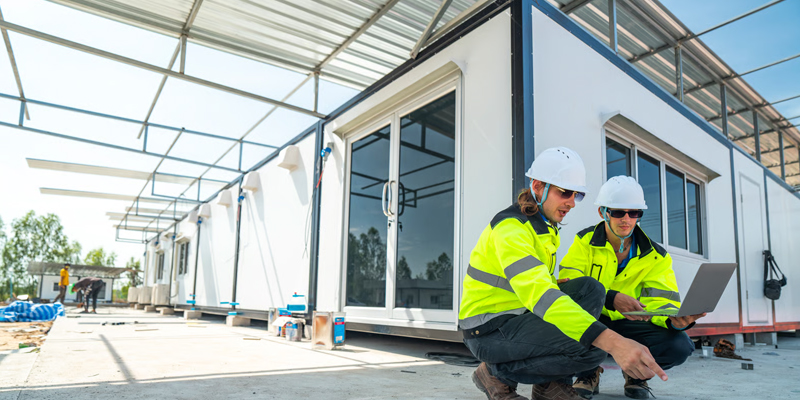
Our flagship SIP (Structural Insulated Panel) modular building system integrates structure, insulation, MEP (mechanical, electrical, plumbing), HVAC, interior finishes, and smart home technologies into a single, unified solution. This rapid assembly technology shifts the majority of on-site construction and finishing work to controlled factory environments.
The Packing Process for Bulk Shipments
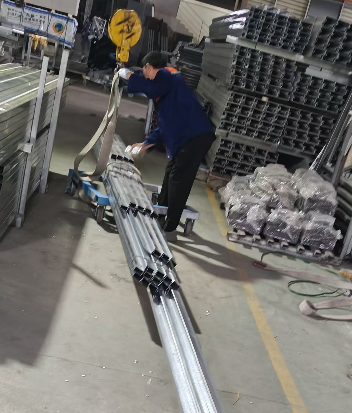
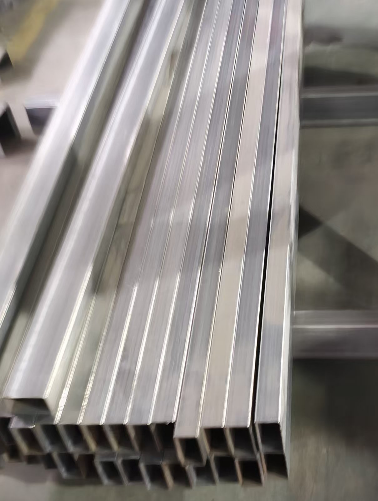
Packing mass container houses requires meticulous planning and execution to maximize space utilization while protecting each module from potential damage during ocean transit. Standardized shipping containers or flat-rack units are commonly used, depending on the dimensions and weight of the prefabricated modules.
Key considerations during the packing phase include:
- Module dimensions and weight distribution – Ensuring balanced loading to maintain vessel stability and prevent shifting.
- Protective cushioning and bracing – Using foam, wood, and strapping to secure modules and absorb vibration.
- Weatherproof wrapping – Applying waterproof covers and sealing all openings to prevent moisture ingress.
- Container capacity optimization – Arranging multiple modules or module components to fill container space efficiently.
Our digital tracking system provides real-time visibility of each container, enabling clients to monitor their shipment from factory to destination.
Logistics Management for Large-Scale Exports
Coordinating the international delivery of mass container houses involves complex logistics, including vessel scheduling, route planning, customs clearance, and inland transportation. Effective logistics management minimizes delays and ensures that modules arrive on site in the correct sequence for assembly.
- Port selection – Choosing departure and arrival ports with adequate handling capacity and infrastructure.
- Documentation compliance – Preparing bills of lading, packing lists, certificates of origin, and import permits to facilitate smooth customs processing.
- Inland transport coordination – Arranging truck or rail transport from the port to the project site.
- Risk mitigation – Securing marine cargo insurance and implementing contingency plans for weather or port delays.
Our project management team works closely with shipping partners to maintain clear communication and adapt to changing conditions.
Quality Assurance Before Departure
Prior to packing, every module undergoes a comprehensive quality inspection to verify structural integrity, system functionality, and finish quality. This final check ensures that only modules meeting our standards are approved for shipment.
- Structural evaluation – Confirming that SIP panels, connections, and load-bearing elements are sound.
- MEP system testing – Verifying electrical, plumbing, and HVAC systems operate correctly.
- Aesthetic review – Checking interior and exterior finishes for defects or damage.
- Packaging verification – Ensuring that cushioning, bracing, and waterproofing are properly applied.
By maintaining rigorous quality control, we help reduce the risk of on-site rework and ensure a smooth assembly process upon arrival.
Sustainability in Modular Shipping
Mass container house shipments align with sustainable construction practices by consolidating multiple modules into fewer shipments, thereby reducing the carbon footprint per housing unit. Factory prefabrication also minimizes on-site waste and energy consumption, contributing to overall environmental performance.
Additional sustainability benefits include:
- Material efficiency – SIP construction uses less wood and generates fewer off-cuts compared to traditional framing.
- Energy performance – The continuous insulation of SIP panels reduces heating and cooling loads over the building's lifecycle.
- Reusable containers – Shipping containers can often be repurposed on site or returned for future use.
Our modular solutions are defining the future of sustainable construction by combining efficient logistics with high-performance building systems.
Shipping and Packing Comparison
The following table compares different packing methods commonly used for mass container house exports:
| Packing Method | Container Type | Protection Level | Space Efficiency |
|---|---|---|---|
| Standard Container Loading | 20ft / 40ft dry container | High (fully enclosed) | Good for smaller modules |
| Flat-Rack with Cover | Flat-rack container | Moderate (waterproof tarp) | Suited for oversized modules |
| Open-Top Container | Open-top with removable cover | High (with cover) | Flexible for tall modules |
The choice of packing method depends on module dimensions, weight, and the level of protection required for the specific project.
Frequently Asked Questions
How are mass container houses packed for ocean transport?
Modules are loaded into standard shipping containers or onto flat-racks, then secured with bracing, cushioning, and waterproof covers. All openings are sealed to prevent water ingress during transit.
What documentation is required for international delivery?
Typical documents include the bill of lading, commercial invoice, packing list, certificate of origin, and any necessary import permits or compliance certificates. Our logistics team assists with preparation.
Can multiple modules be packed in a single container?
Yes, depending on module dimensions. Smaller components or disassembled parts can be nested to maximize container space. Larger modules may require flat-rack or open-top containers.
How are modules protected from corrosion during sea shipment?
All metal components are treated with anti-corrosion coatings, and modules are wrapped in moisture-resistant materials. Additionally, desiccants may be placed inside containers to control humidity.
What happens if a container is delayed at port?
Our logistics team monitors shipments and communicates with shipping lines to minimize delays. Contingency plans, including alternative routing or storage arrangements, are prepared where feasible.
Is on-site assembly affected by the packing method?
No. The packing method is designed to protect modules during transit without affecting assembly. Modules arrive in the same factory-finished condition, ready for quick installation.
Does Suzhou Taimao provide tracking for shipments?
Yes. We offer digital software support that allows clients to track their containers in real time from departure to arrival, with status updates and documentation accessible through our platform.
For exclusive deals and latest offers, sign up by entering your email address below.

-
TEL:+86 18762912902
-
Email:cntaimao@163.com
-
WhatsApp:
-
Add:Group 5, Cao Village, Zhenze Town, Suzhou, Jiangsu, China
Copyright © Suzhou Taimao Integrated Housing Co., Ltd.
All Rights Reserved.
 Wholesale movable homes for sale
custom built modular homes
Wholesale movable homes for sale
custom built modular homes