



 EN
EN
 русский
 Español
 عربى
عربى Français
Modular building shipment on the way to overseas projects.
Admin 2026-07-24Content
- 1 Modular Building Shipment on the Way to Overseas Projects
- 2 The Journey from Factory to Project Site
- 3 Tracking and Transparency During Transit
- 4 Quality Assurance During Shipment
- 5 Sustainability in Modular Logistics
- 6 Shipment Phase Overview
- 7 Frequently Asked Questions
- 7.1 How long does a typical modular building shipment take?
- 7.2 Can I track my shipment in real time?
- 7.3 What measures protect modules during transit?
- 7.4 What happens if a shipment is delayed?
- 7.5 Are modules insured during sea transport?
- 7.6 How is on-site assembly coordinated with shipment arrival?
- 7.7 Does Suzhou Taimao assist with customs clearance?
Modular Building Shipment on the Way to Overseas Projects
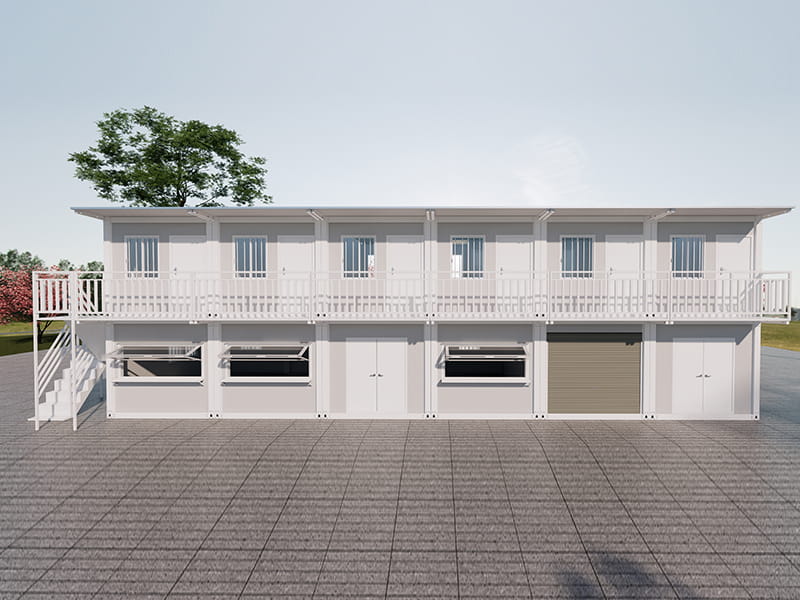
As modular construction gains global recognition, the shipment of prefabricated building modules to overseas project sites has become a routine yet highly coordinated operation. Each shipment represents the culmination of meticulous factory fabrication, quality control, and logistics planning, ensuring that modules arrive ready for rapid assembly.
Suzhou Taimao Integrated Housing Co., Ltd. specializes in delivering globally certified modular building solutions, offering industry-leading modular design, proprietary manufacturing technologies, and end-to-end digital software support. Our mission is to accelerate project timelines, boost operational efficiency, minimize ecological impact, and uphold uncompromising standards of quality and safety.
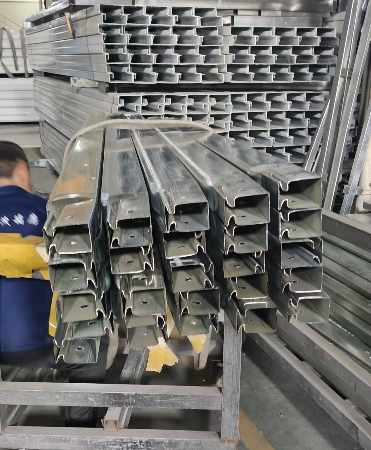
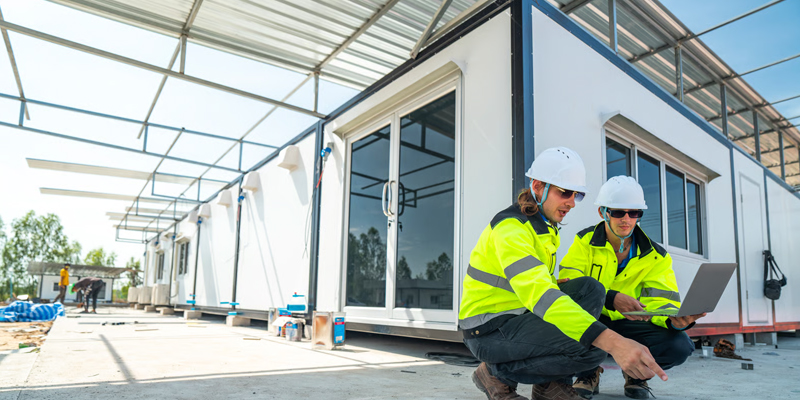
Our flagship SIP (Structural Insulated Panel) modular building system integrates structure, insulation, MEP (mechanical, electrical, plumbing), HVAC, interior finishes, and smart home technologies into a single, unified solution. This rapid assembly technology shifts the majority of on-site construction and finishing work to controlled factory environments.
The Journey from Factory to Project Site
Once modules are fabricated, inspected, and packed, they begin their sea voyage to overseas destinations. The transit phase is a critical link in the project delivery chain, requiring careful coordination between shipping lines, port authorities, and on-site teams.
Typical stages of the shipment journey include:
- Port loading – Modules are loaded onto vessels using cranes, with secure lashing to prevent movement.
- Ocean transit – Depending on the destination, voyages may take several weeks, during which modules remain protected.
- Customs clearance – Upon arrival, modules undergo customs processing based on prepared documentation.
- Inland transport – Modules are trucked or railed from the port to the final project site.
Our digital platform provides real-time updates on shipment status, allowing project managers to synchronize on-site preparations.
Tracking and Transparency During Transit
Modern logistics technology enables comprehensive tracking of modular building shipments from departure to arrival. Clients can monitor vessel positions, estimated arrival times, and container status through our digital interface, enhancing project predictability.
- GPS tracking – Containers equipped with GPS devices provide location data throughout the journey.
- Automated alerts – Notifications for port departures, arrivals, and any schedule changes.
- Documentation access – All shipping documents are stored and accessible online for reference.
This transparency supports better coordination with on-site teams, enabling them to arrange labor, equipment, and foundation work precisely when needed.
Quality Assurance During Shipment
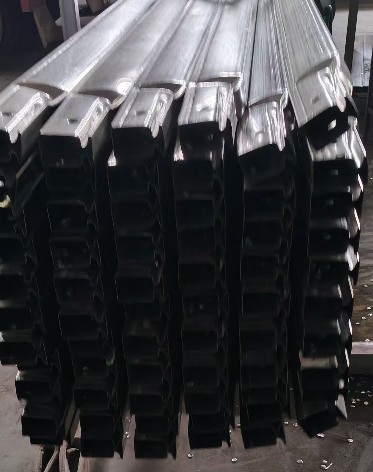
Maintaining quality throughout the shipping process is essential to ensure modules arrive without damage. Our packaging protocols are designed to withstand the rigors of ocean transport, including vibration, stacking loads, and humidity changes.
- Shock-absorbent materials – Foam pads, rubber mats, and inflatable dunnage protect against impacts.
- Moisture control – Desiccants and vapor barriers reduce the risk of condensation inside containers.
- Structural bracing – Steel or wooden frames secure modules to container walls and floors.
Upon arrival, a quick visual inspection is conducted before modules are transported to the site, confirming that they remain in factory-finished condition.
Sustainability in Modular Logistics
Shipping prefabricated modules in bulk offers environmental advantages over traditional construction logistics. Consolidating multiple modules into a single shipment reduces the overall carbon footprint per building, and factory production minimizes site-based waste.
- Fewer transport trips – Bulk shipping reduces the number of vehicle movements compared to delivering individual materials.
- Material optimization – SIP construction uses resources efficiently, lowering overall material demand.
- Long-term energy savings – High-performance insulation reduces operational energy use over the building's life.
Our modular solutions are defining the future of sustainable construction by integrating eco-friendly practices across the entire supply chain.
Shipment Phase Overview
The following table summarizes key phases of a modular building shipment from departure to site arrival:
| Phase | Key Activities | Typical Duration |
|---|---|---|
| Pre-departure | Final inspection, packing, container sealing | Days |
| Port handling & loading | Customs clearance, vessel loading, lashing | Days |
| Ocean transit | Voyage, real-time tracking updates | Weeks |
| Arrival & delivery | Unloading, inland transport, site handover | Days |
Actual durations vary based on origin, destination, and shipping schedules. Our team provides tailored timeline forecasts for each project.
Frequently Asked Questions
How long does a typical modular building shipment take?
Transit time depends on the shipping route and distance. Ocean voyages generally take several weeks, while port handling and inland transport add a few more days. We provide estimated schedules for each project.
Can I track my shipment in real time?
Yes. Our digital platform offers real-time tracking with vessel positions, estimated arrival times, and container status updates, accessible to clients throughout the journey.
What measures protect modules during transit?
Modules are secured with bracing, cushioning, and waterproof covers. Desiccants control humidity, and all openings are sealed to prevent water ingress.
What happens if a shipment is delayed?
Our logistics team monitors all shipments and maintains communication with shipping lines. We provide timely updates and adjust on-site assembly schedules accordingly to minimize impact.
Are modules insured during sea transport?
Yes. We arrange comprehensive marine cargo insurance for all shipments, covering potential damage or loss during ocean transit.
How is on-site assembly coordinated with shipment arrival?
Project managers use shipment tracking data to coordinate foundation work, crane scheduling, and labor availability, ensuring a smooth transition from delivery to assembly.
Does Suzhou Taimao assist with customs clearance?
Yes. We provide all necessary documentation and work with freight forwarders to facilitate smooth customs processing at the destination port.
For exclusive deals and latest offers, sign up by entering your email address below.


-
TEL:+86 18762912902
-
Email:cntaimao@163.com
-
WhatsApp:
-
Add:Group 5, Cao Village, Zhenze Town, Suzhou, Jiangsu, China
Copyright © Suzhou Taimao Integrated Housing Co., Ltd.
All Rights Reserved.
 Wholesale movable homes for sale
custom built modular homes
Wholesale movable homes for sale
custom built modular homes