

 EN
EN
 русский
 Español
 عربى
عربى Français
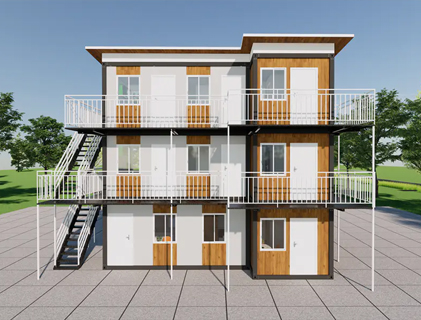
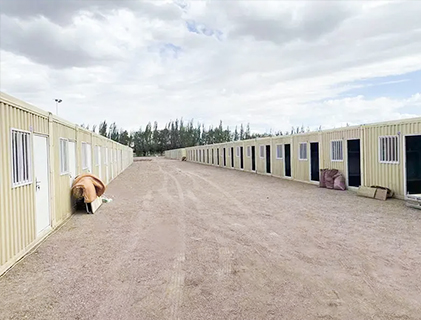
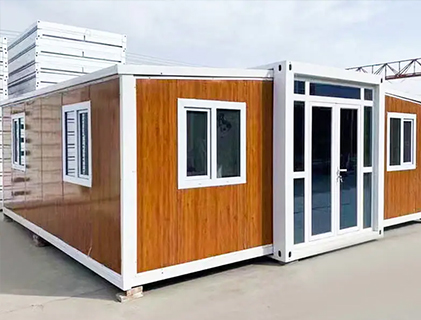
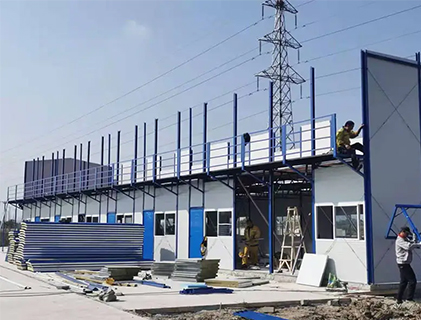
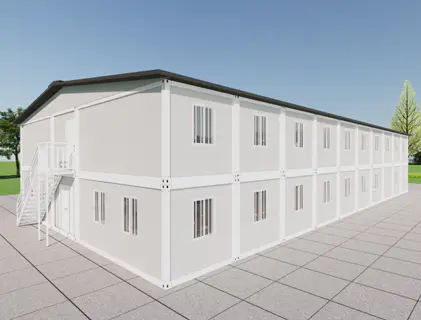
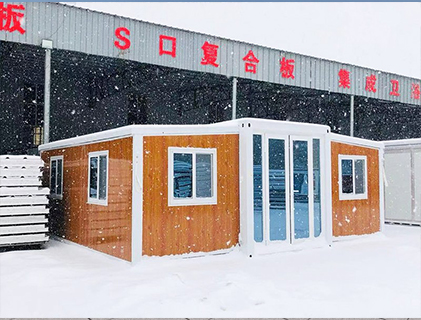
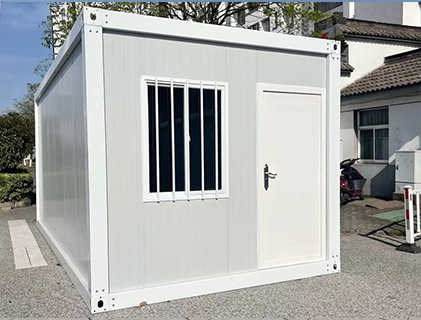
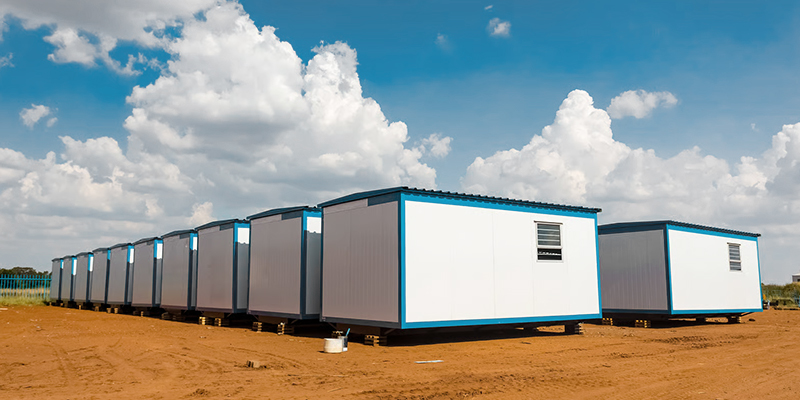
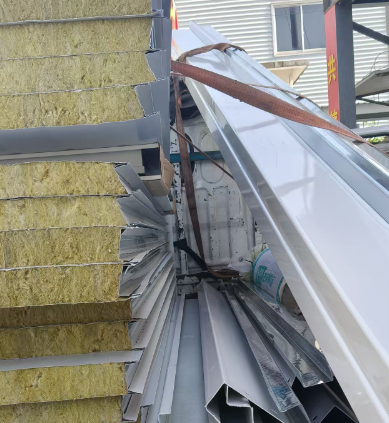
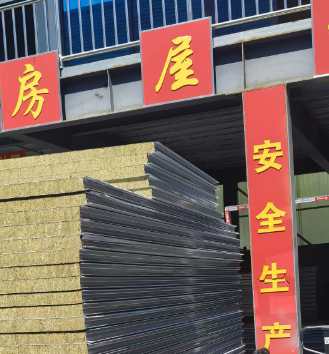
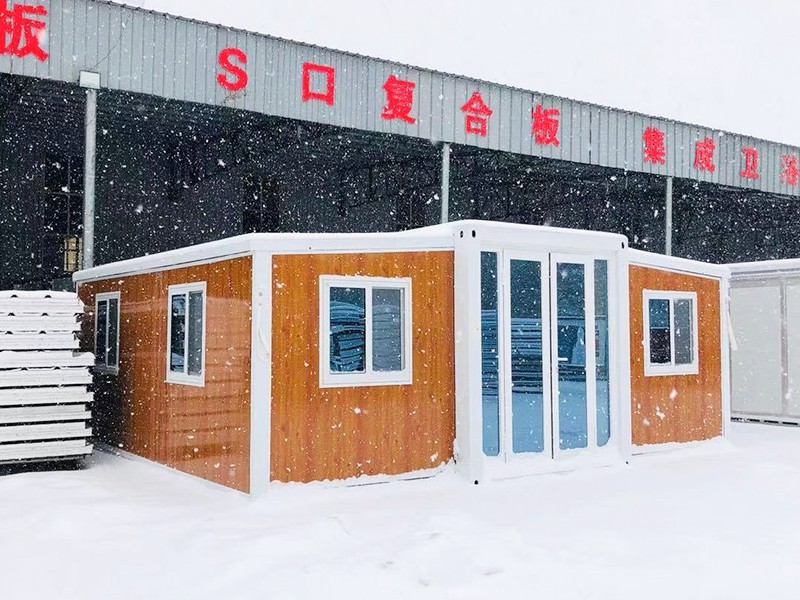
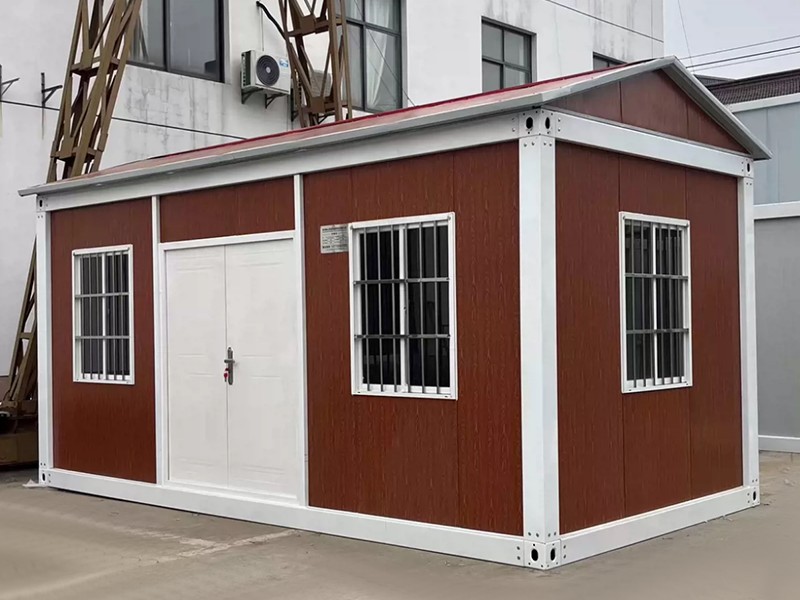
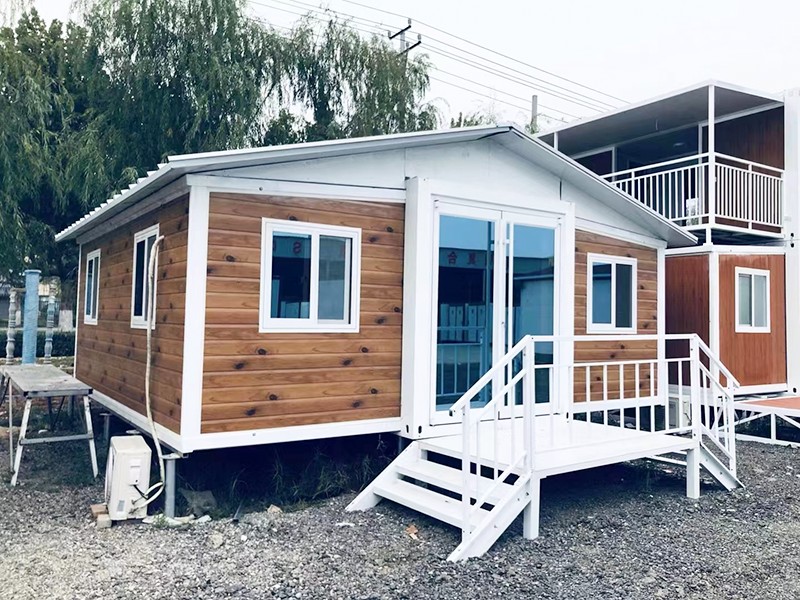
Another full container of prefab houses for foreign partners.
Admin 2026-07-21Content
- 1 Modular Construction: A New Era of Building Efficiency
- 2 The SIP Advantage: Structure, Insulation, and Integration
- 3 Accelerated Project Delivery: From Factory to Site in Days
- 4 Global Demand for Prefabricated Housing
- 5 Sustainability and Environmental Impact
- 6 Technical Specifications Comparison
- 7 Frequently Asked Questions
- 7.1 What is a Structural Insulated Panel (SIP)?
- 7.2 How long does on-site assembly take?
- 7.3 Are SIP modular buildings energy efficient?
- 7.4 What types of projects are suitable for SIP modular construction?
- 7.5 How does modular construction reduce waste?
- 7.6 Is the global demand for modular housing growing?
- 7.7 Can SIP modular buildings be customized?
Modular Construction: A New Era of Building Efficiency
The global construction industry is undergoing a fundamental transformation. Traditional on-site building methods—characterized by prolonged timelines, variable quality, and significant material waste—are increasingly being supplemented by off-site modular construction approaches. Modular construction allows structures to be built at a notably faster rate compared to traditional methods, revolutionizing the way projects are completed.
At the forefront of this shift is the Structural Insulated Panel (SIP) building system. SIPs are factory-made sandwich panels consisting of a rigid foam core bonded between two structural facings, typically oriented strand board (OSB). These panels act as both structure and insulation, integrating framing, sheathing, and thermal protection into a single, high-performance component. This integration eliminates multiple steps in the construction process, bringing unprecedented clarity and predictability to building projects.
Suzhou Taimao Integrated Housing Co., Ltd. specializes in delivering globally certified modular building solutions, offering industry-leading modular design, proprietary manufacturing technologies, and end-to-end digital software support. Our mission is to accelerate project timelines, boost operational efficiency, minimize ecological impact, and uphold uncompromising standards of quality and safety.
The SIP Advantage: Structure, Insulation, and Integration
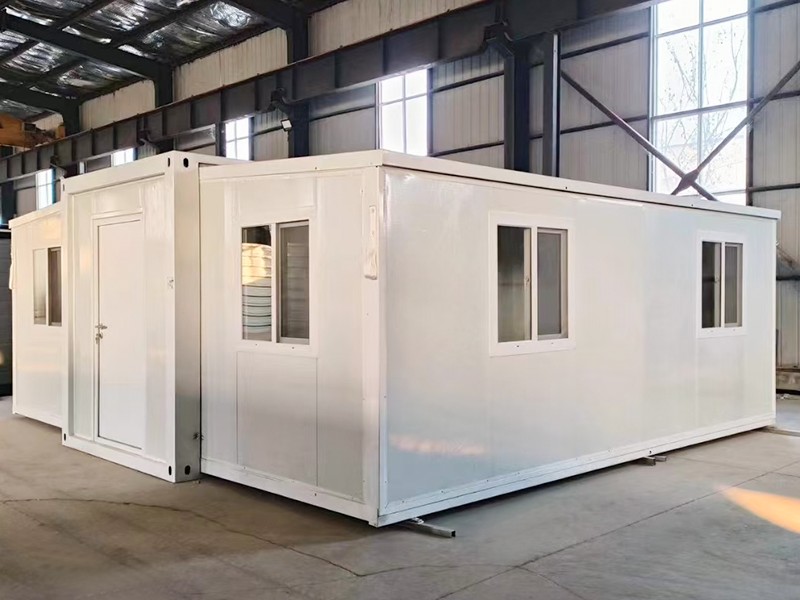
Our flagship SIP modular building system integrates structure, insulation, MEP (mechanical, electrical, plumbing), HVAC, interior finishes, and smart home technologies into a single, unified solution. This rapid assembly technology shifts the majority of on-site construction and finishing work to controlled factory environments.
The benefits of SIP-based modular construction are substantial:
- Superior thermal performance – SIP buildings typically exhibit lower air leakage and higher insulation performance than conventional framing, which can significantly reduce heating and cooling loads.
- Material efficiency – SIP construction uses less wood compared to conventional framing methods, contributing to resource conservation.
- Quality and precision – Factory fabrication ensures consistent quality, tight tolerances, and predictable building envelope performance.
- Waste reduction – Precise prefabrication techniques significantly reduce construction waste compared to traditional on-site methods.
A SIP building envelope provides continuous insulation, is extremely airtight, allows for better control over indoor air quality, reduces construction waste, and helps save natural resources. These combined attributes make SIP systems a compelling choice for projects ranging from residential homes to commercial and institutional buildings.
Accelerated Project Delivery: From Factory to Site in Days
One of the most significant advantages of modular SIP construction is the dramatic reduction in project timelines. By moving the majority of construction activities—from structural framing to interior finishing—into a controlled factory environment, on-site work is condensed to a fraction of the time traditionally required.
Once prefabricated modules are shipped to the project site, on-site assembly can be completed in just days—or even hours. Our SIP panels are factory-manufactured with interior and exterior finishes pre-installed prior to shipping, significantly reducing on-site construction time and trade coordination.
This accelerated delivery model offers several critical benefits for project stakeholders:
- Reduced on-site disruption – Shorter construction periods mean less noise, dust, and disturbance to surrounding communities.
- Faster occupancy – Projects can be completed and occupied weeks or months ahead of typical schedules.
- Predictable timelines – Factory production is not subject to weather delays or on-site labor shortages, offering greater schedule certainty.
Our modular solutions are defining the future of sustainable construction by enabling faster, more reliable project delivery.
Global Demand for Prefabricated Housing
The global market for modular and prefabricated housing continues to expand steadily. An increasing number of countries and regions are recognizing the value proposition offered by modular construction: speed, quality, sustainability, and cost-effectiveness.
Major markets, including North America, Australia, and parts of Europe and Asia, have shown sustained interest in prefabricated building solutions. The United States remains one of the largest buyers of prefabricated housing components, driven by housing shortages and the need for rapid, efficient construction methods.
This growing international demand reflects a broader shift in construction practices, where off-site manufacturing and modular assembly are increasingly seen as viable alternatives to traditional building methods. Manufacturers with proven capabilities, such as Suzhou Taimao Integrated Housing, are well-positioned to serve this expanding global need.
Sustainability and Environmental Impact
The building and construction sector accounts for a significant share of global carbon emissions. Modular construction presents a viable approach to addressing this concern by reducing waste, optimizing material usage, and improving building energy performance.
Key sustainability benefits of SIP modular construction include:
- Waste reduction – Precise factory fabrication minimizes off-cuts and material waste, contributing to resource efficiency.
- Energy efficiency – The continuous insulation provided by SIP panels reduces heating and cooling loads throughout a building's lifetime.
- Resource conservation – Reduced wood usage helps preserve forest resources and supports sustainable forestry practices.
Modular construction also supports circular economy principles through material reuse, design adaptability, and improved building longevity. By shifting construction from on-site to factory environments, modular methods reduce the environmental footprint of building projects while delivering superior quality and performance.
Technical Specifications Comparison
The following table compares key performance characteristics of SIP modular construction against traditional building methods:
| Characteristic | SIP Modular System | Traditional Construction |
|---|---|---|
| Construction Timeline | Days to weeks | Months to years |
| Thermal Performance | Continuous insulation, high R-value | Thermal bridging common |
| Material Waste | Minimized through precision fabrication | Significant on-site waste |
| Quality Control | Factory-controlled, consistent | Site-dependent, variable |
| Weather Dependency | Minimal | Significant |
Frequently Asked Questions
What is a Structural Insulated Panel (SIP)?
A Structural Insulated Panel is a factory-manufactured building component consisting of a rigid foam core sandwiched between two structural facings, typically oriented strand board (OSB). SIPs serve as both structure and insulation, integrating framing, sheathing, and thermal protection into a single high-performance panel.
How long does on-site assembly take?
Once prefabricated modules are shipped to the project site, on-site assembly can be completed in just days—or even hours. Our SIP panels are factory-manufactured with interior and exterior finishes pre-installed, significantly reducing on-site construction time.
Are SIP modular buildings energy efficient?
Yes. SIP buildings typically exhibit lower air leakage and higher insulation performance than conventional framing, which can significantly reduce heating and cooling loads. A SIP building envelope provides continuous insulation and is extremely airtight.
What types of projects are suitable for SIP modular construction?
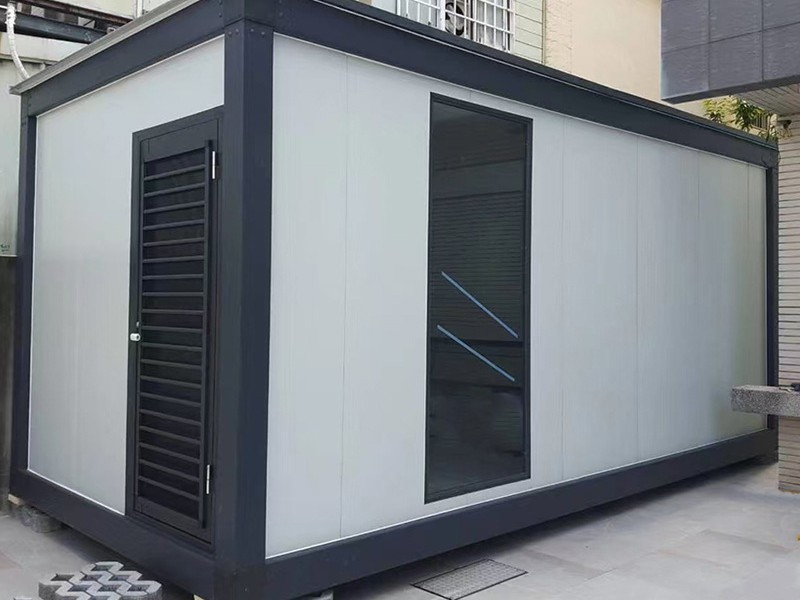
SIP modular systems are suitable for a wide range of projects, from residential homes and recreational buildings to commercial and institutional structures. The system's flexibility and performance make it adaptable to various building types and scales.
How does modular construction reduce waste?
Precise prefabrication techniques in factory environments significantly reduce construction waste compared to traditional on-site methods. Material optimization, precise cutting, and streamlined logistics all contribute to waste reduction.
Is the global demand for modular housing growing?
Yes. Global demand for modular and prefabricated housing has been on a steady upward trajectory, driven by the need for faster construction, cost efficiency, and sustainable building practices. Major markets continue to show strong interest in modular solutions.
Can SIP modular buildings be customized?
Yes. Our modular solutions offer extensive customization options to meet diverse project requirements. From layout configurations to interior finishes and smart home integrations, the system is designed to accommodate a wide range of design preferences and functional needs.
For exclusive deals and latest offers, sign up by entering your email address below.

-
TEL:+86 18762912902
-
Email:cntaimao@163.com
-
WhatsApp:
-
Add:Group 5, Cao Village, Zhenze Town, Suzhou, Jiangsu, China
Copyright © Suzhou Taimao Integrated Housing Co., Ltd.
All Rights Reserved.
 Wholesale movable homes for sale
custom built modular homes
Wholesale movable homes for sale
custom built modular homes