

 EN
 русский
 Español
 عربى
 Français
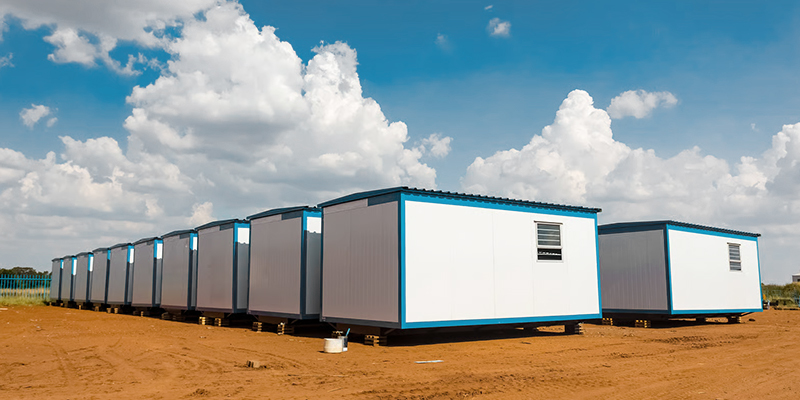
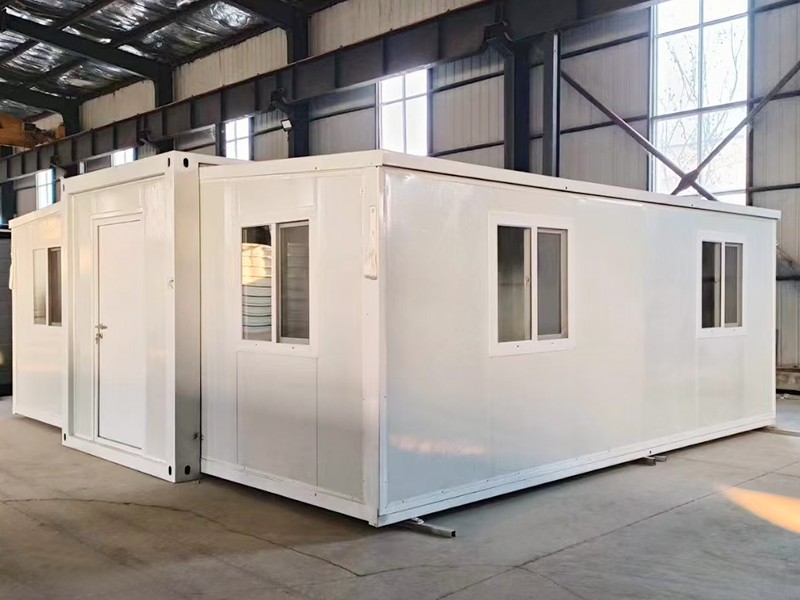
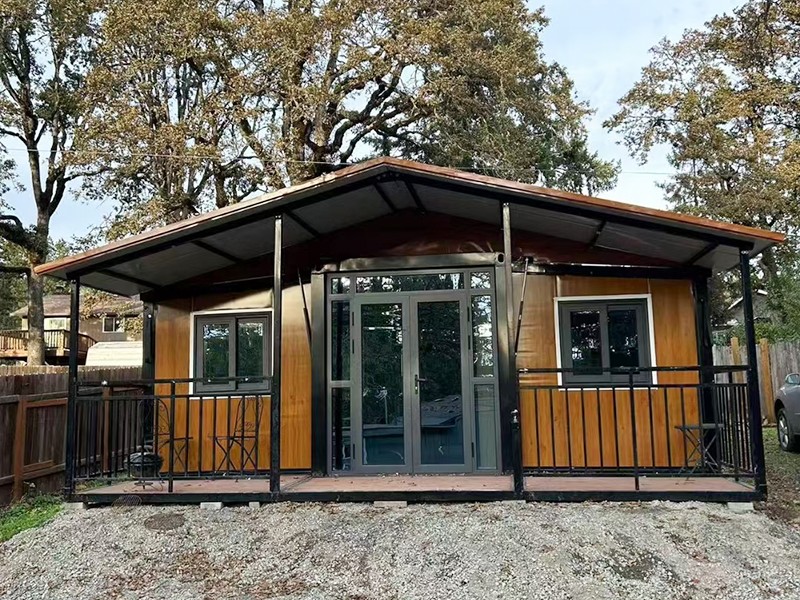
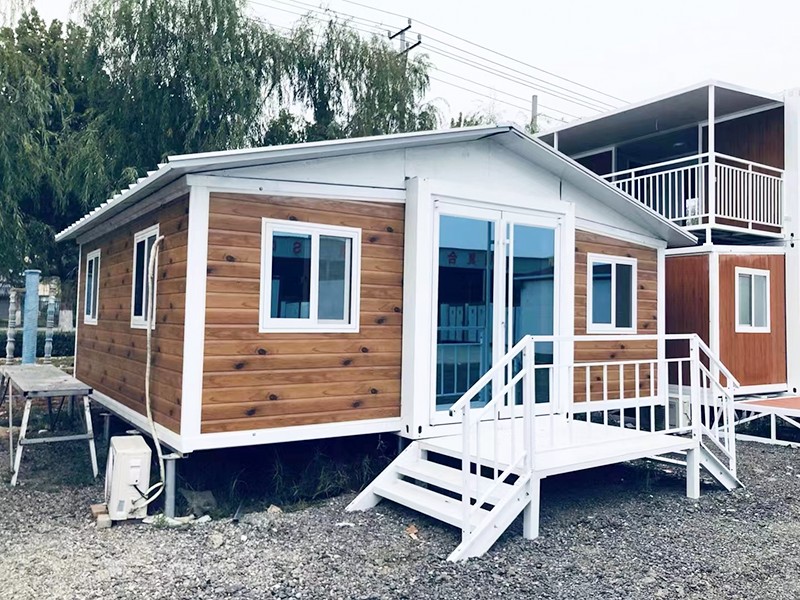
Our engineering container houses can be disassembled and reused after project completion, reusable design reduces customer long-term cost.
Admin 2026-10-09Content
- 1 Reusability as a Long-Term Advantage
- 2 Built on an Integrated Modular System
- 3 Designed for Disassembly
- 4 How Reuse Reduces Long-Term Cost
- 5 Durability Supports Multiple Use Cycles
- 6
- 7 Environmental Benefits of Reuse
- 8 Practical Considerations for Reuse
- 9 Frequently Asked Questions
- 9.1 Can all container houses be disassembled and reused?
- 9.2 How many times can a container house be reused?
- 9.3 Does disassembly damage the panels or components?
- 9.4 What maintenance is needed between uses?
- 9.5 Can the units be reconfigured for a different use at the new site?
- 9.6 How does reuse affect the long-term cost?
- 10 Reusability Overview
- 11 Conclusion
Reusability as a Long-Term Advantage
Engineering projects are temporary by nature. A mine, a highway, a railway, or a construction base may operate for a defined number of years, after which the site is demobilized and the facilities are no longer needed. In conventional construction, this often means that buildings are demolished or abandoned, and the investment is written off. Modular container houses offer a different path.
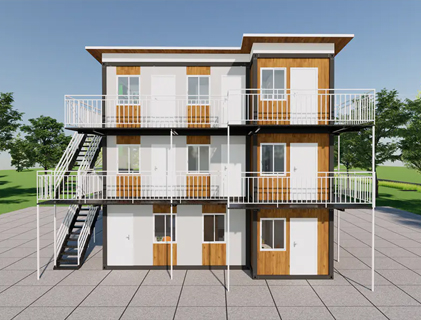
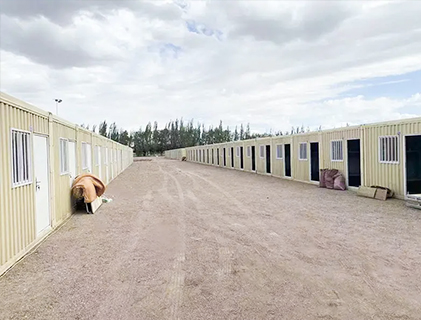
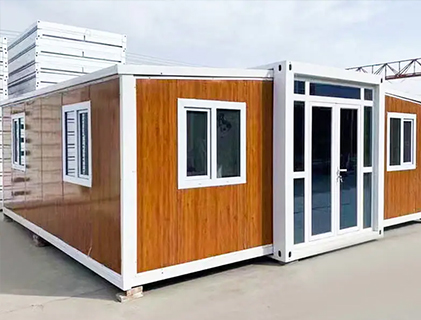
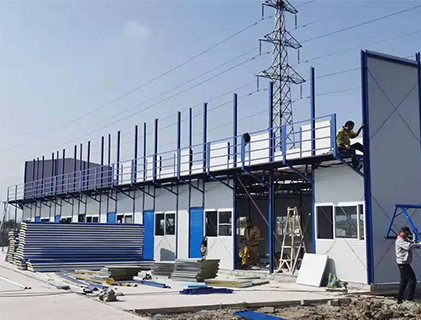
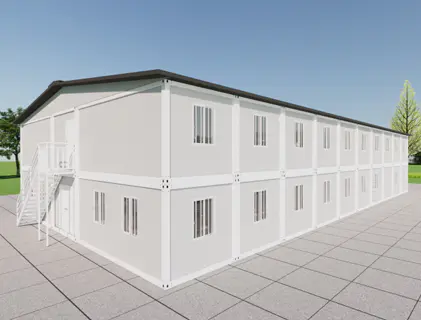
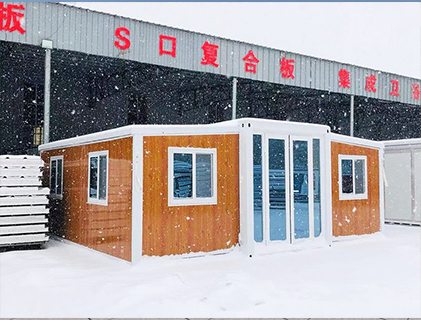
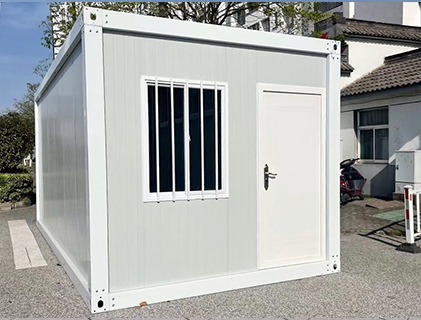
Our engineering container houses can be disassembled and reused after project completion. The reusable design reduces customer long-term cost by allowing the same units to serve multiple projects over their service life, rather than being tied to a single site.
Built on an Integrated Modular System
Suzhou Taimao Integrated Housing Co., Ltd. specializes in delivering globally certified modular building solutions, offering industry-leading modular design, proprietary manufacturing technologies, and end-to-end digital software support. Our mission is to accelerate project timelines, boost operational efficiency, minimize ecological impact, and uphold uncompromising standards of quality and safety.
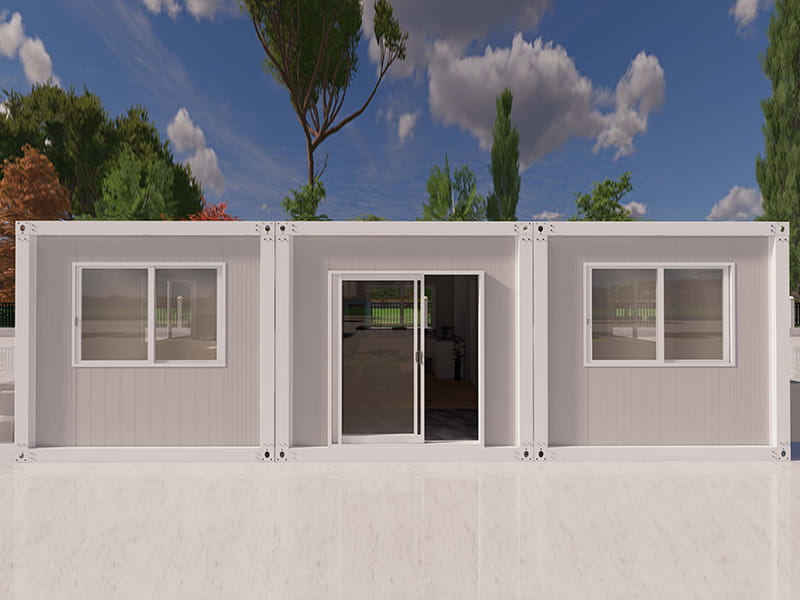
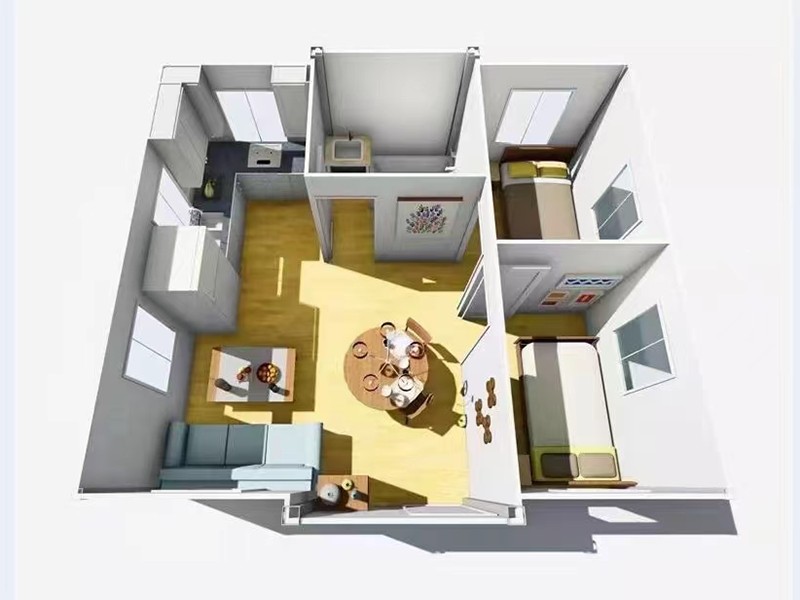
Our flagship SIP (Structural Insulated Panel) modular building system integrates structure, insulation, MEP (mechanical, electrical, plumbing), HVAC, interior finishes, and smart home technologies into a single, unified solution. This rapid assembly technology shifts the majority of on-site construction and finishing work to controlled factory environments.
Once prefabricated modules are shipped to the project site, on-site assembly can be completed in just days—or even hours. Our modular solutions are defining the future of sustainable construction.
Designed for Disassembly
The reusability of the container houses comes from the way they are designed and assembled. Unlike conventional buildings, where materials are bonded, welded, or cast together, modular units use a connection system that can be reversed. Key design features that support disassembly include:
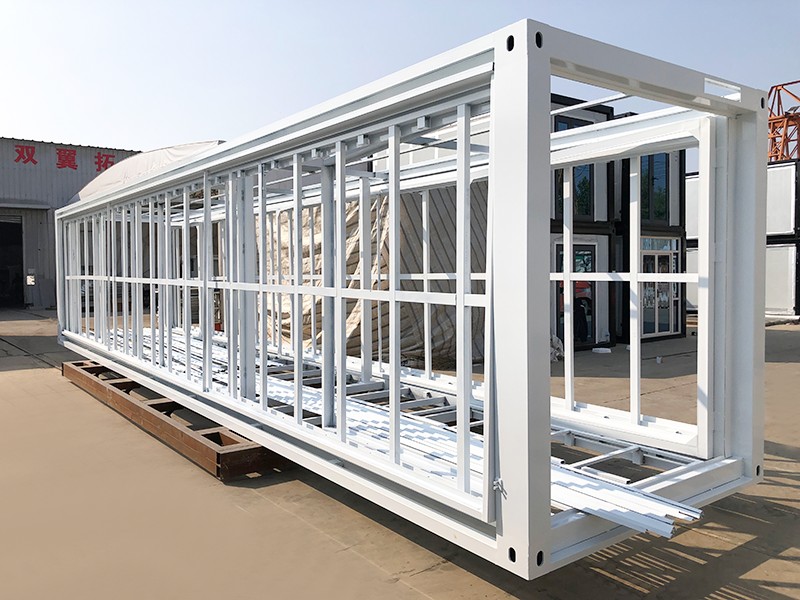
- Bolted connections – panels and frames are joined with bolts rather than welding, allowing them to be separated without cutting or damaging the components.
- Modular panels – walls, floors, and roofs are made from standardized panels that can be removed individually and reinstalled elsewhere.
- Accessible services – electrical and plumbing connections are arranged so that they can be disconnected and reconnected without major demolition work.
- Labeled components – parts are marked to facilitate identification and correct reassembly at the new location.
- Documentation – installation manuals include disassembly guidance, so that the process can be carried out in a structured way.
These features mean that the units can be taken apart and moved without the loss of materials that typically occurs when conventional buildings are demolished.
How Reuse Reduces Long-Term Cost
The financial benefit of reusability becomes clear when the lifecycle of the units is considered. Instead of treating the container houses as a single-project expense, they can be viewed as an asset that is deployed across multiple projects. This shift in perspective produces several cost-related advantages:
- Amortization across projects – the initial investment is spread over several uses, reducing the effective cost per project.
- Avoided disposal costs – demobilization does not require demolition and waste removal; the units are simply disassembled and transported.
- Reduced procurement for new projects – when a new site is established, existing units can be redeployed instead of purchasing new accommodation.
- Lower material consumption – reusing units reduces the demand for new raw materials and the associated costs.
- Maintained asset value – well-maintained modular units retain their utility and can be reused for many years.
For companies that regularly undertake engineering projects, a reusable fleet of container houses can become a permanent resource rather than a recurring expense.
Durability Supports Multiple Use Cycles
Reusability depends on the units remaining in good condition after the first project. The durability features of the container houses support this:
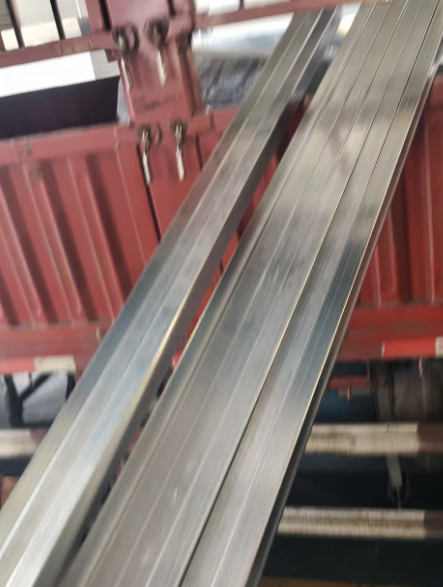
- Galvanized steel frames with anti-rust treatment to resist corrosion over time
- High-density SIP panels that maintain their structural and thermal performance
- Durable interior finishes that can be cleaned and refreshed between uses
- Replaceable components – individual panels or fittings can be swapped out if damaged, without replacing the entire unit
With routine maintenance, the units can be redeployed for multiple project cycles, extending the return on investment.
Environmental Benefits of Reuse
Beyond cost, reuse also supports environmental objectives. Construction and demolition generate significant waste, and the production of new building materials consumes energy and raw resources. By disassembling and reusing container houses instead of demolishing them:
- Less waste is sent to landfill
- Fewer new materials need to be produced
- The embodied carbon of the units is spread over multiple projects
- Site demobilization has a lower environmental impact
These factors align with the growing emphasis on circular economy principles in the construction industry.
Practical Considerations for Reuse
For customers planning to reuse container houses, a few practical points are worth noting:
- Document the original assembly configuration and retain the installation manual for future reference
- Inspect units during disassembly and note any components that need repair or replacement
- Store panels and components in a dry, protected area if they will not be reassembled immediately
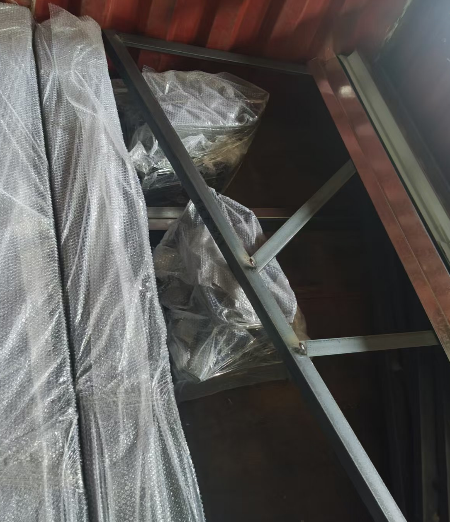
- Plan transport to the new site, considering that flat-packed components take up less space than assembled units
- Allow for minor refurbishment, such as cleaning, touch-up painting, or replacement of worn fittings
With proper handling, the units can be reassembled efficiently at the new location, ready for another project cycle.
Frequently Asked Questions
Can all container houses be disassembled and reused?
Our engineering container houses are designed with disassembly in mind. The bolted connection system and modular panels allow the units to be taken apart and reassembled. Specific reuse potential can be confirmed based on the unit configuration.
How many times can a container house be reused?
With proper maintenance, the units can be reused multiple times over their service life. The exact number depends on the conditions of use and the care taken during disassembly, transport, and reassembly.
Does disassembly damage the panels or components?
When the disassembly instructions are followed, the panels and components can be separated without damage. Bolted connections are designed to be reversible, and labeled parts help ensure correct reassembly.
What maintenance is needed between uses?
Typical maintenance includes cleaning, inspection of panels and connections, touch-up painting of any damaged coatings, and replacement of worn fittings if necessary. This helps preserve the condition of the units for the next project.
Can the units be reconfigured for a different use at the new site?
Yes. Because the units are modular, they can be rearranged or combined in different ways to suit the new project's requirements. Additional units can also be added if needed.
How does reuse affect the long-term cost?
Reuse spreads the initial investment over multiple projects, avoids demolition and disposal costs, and reduces the need to purchase new units for each site. Over time, this can significantly lower the total cost of accommodation and facilities.
Reusability Overview
The table below summarizes the key features supporting the disassembly and reuse of engineering container houses.
| Feature | Description |
|---|---|
| Connection System | Bolted connections, reversible without welding |
| Modular Panels | Standardized wall, floor, and roof panels |
| Service Connections | Accessible electrical and plumbing disconnects |
| Documentation | Installation and disassembly guidance provided |
| Durability | Anti-rust frames, durable panels, replaceable components |
| Cost Benefit | Amortization across projects, avoided disposal costs |
| Environmental Benefit | Reduced waste, lower material consumption |
Conclusion
Engineering container houses that can be disassembled and reused after project completion offer a practical way to reduce long-term cost. By treating the units as a reusable asset rather than a single-use expense, customers can spread their investment across multiple projects while also reducing waste and material consumption.
Suzhou Taimao Integrated Housing Co., Ltd. brings together industry-leading modular design, proprietary manufacturing technologies, and end-to-end digital software support to deliver globally certified solutions. The SIP modular building system integrates structure, insulation, MEP, HVAC, interior finishes, and smart home technologies into a single, cohesive package.
We invite project owners and contractors to contact us to discuss how reusable container houses can support their long-term project needs.
For exclusive deals and latest offers, sign up by entering your email address below.

-
TEL:+86 18762912902
-
Email:cntaimao@163.com
-
WhatsApp:
-
Add:Group 5, Cao Village, Zhenze Town, Suzhou, Jiangsu, China
Copyright © Suzhou Taimao Integrated Housing Co., Ltd.
All Rights Reserved.
 Wholesale movable homes for sale
custom built modular homes