


 EN
EN
 русский
 Español
 عربى
عربى Français
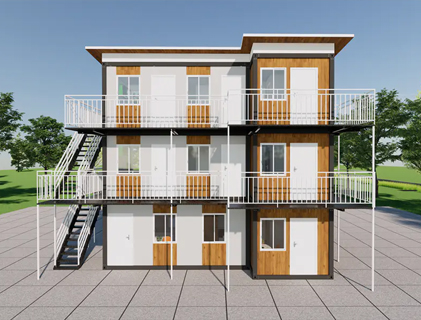
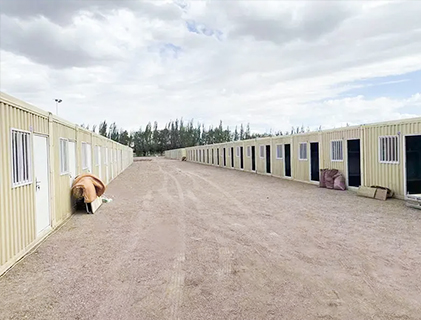
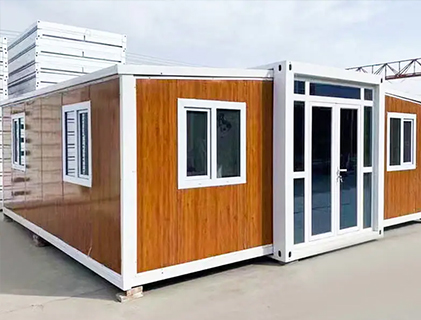
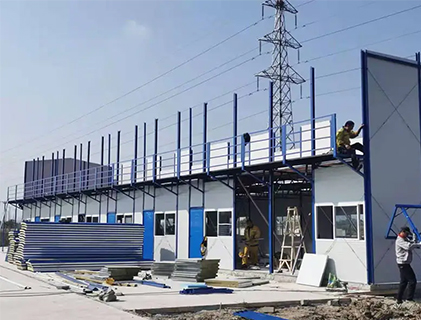
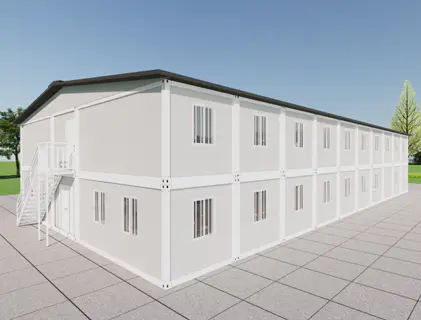
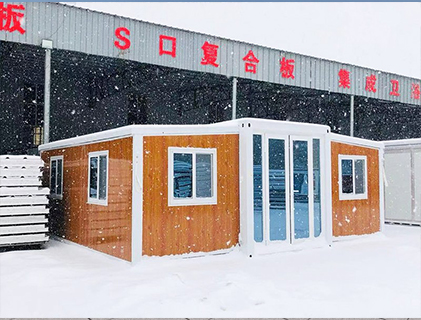
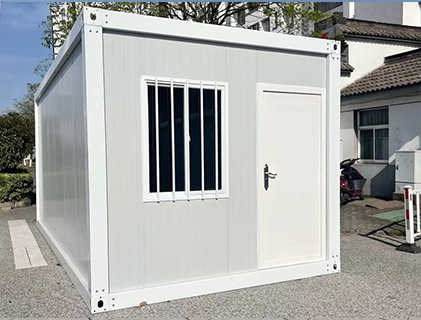
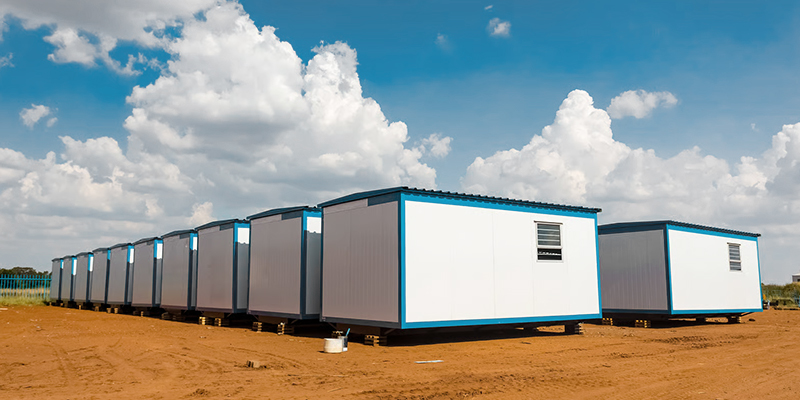
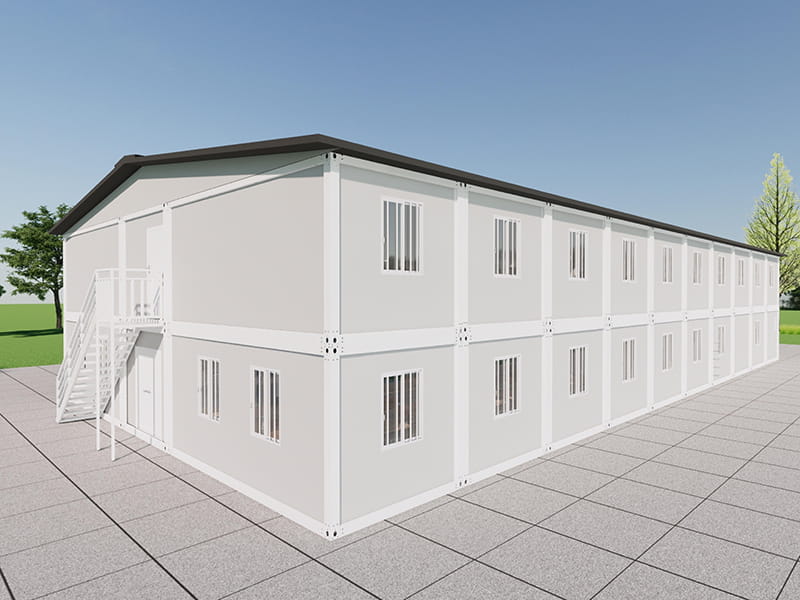
Every prefab house in this shipment is strictly inspected for welding, sealing and thermal insulation performance to adapt to overseas different climates.
Admin 2026-08-13Content
- 1 Global Modular Building Solutions with Rigorous Quality Control
- 2 Integrated SIP System – Engineered for Performance and Durability
- 3 Strict Inspection Protocol – Welding, Sealing, and Insulation
- 4 Adapting to Diverse Overseas Climates
- 5 Quality Assurance and Global Certification
- 6 Frequently Asked Questions
- 6.1 How are the welding inspections performed on modular units?
- 6.2 What sealing tests are carried out before shipment?
- 6.3 How do you verify thermal insulation performance for different climates?
- 6.4 Can these modular homes withstand typhoon or earthquake conditions?
- 6.5 Are there different insulation options for hot vs. cold climates?
- 6.6 How do you ensure consistent quality across a large shipment?
Global Modular Building Solutions with Rigorous Quality Control
Suzhou Taimao Integrated Housing Co., Ltd. specializes in delivering globally certified modular building solutions, offering industry‑leading modular design, proprietary manufacturing technologies, and end‑to‑end digital software support. Our mission is to accelerate project timelines, boost operational efficiency, minimize ecological impact, and uphold uncompromising standards of quality and safety.
Every prefabricated house we produce undergoes a comprehensive inspection process before shipment. Key performance aspects such as welding integrity, sealing effectiveness, and thermal insulation performance are carefully verified to ensure each module can reliably adapt to the diverse climatic conditions found across overseas project sites.
Our commitment to quality is embedded in every stage of production – from material selection and component fabrication to final assembly and pre‑shipment testing. This systematic approach gives clients confidence that each module will perform as expected, regardless of whether it is deployed in tropical, arid, temperate, or cold regions.
Integrated SIP System – Engineered for Performance and Durability
Our flagship SIP (Structural Insulated Panel) modular building system integrates structure, insulation, MEP (mechanical, electrical, plumbing), HVAC, interior finishes, and smart home technologies into a single unified solution. This rapid assembly technology shifts the majority of on‑site construction and finishing work to controlled factory environments, where quality can be managed with precision.
Once prefabricated modules are shipped to the project site, on‑site assembly can be completed in days or even hours. The SIP system’s inherent strength and insulation properties make it particularly suitable for varied climates, but only when each joint, seal, and panel interface is manufactured and inspected to the highest standards.

| Inspection Area | Parameters Checked | Relevance to Climate Adaptation |
|---|---|---|
| Welding Quality | Weld penetration, uniformity, strength | Ensures structural integrity under wind and seismic loads in various regions |
| Sealing Performance | Air tightness, water tightness, gasket compression | Prevents moisture ingress in humid climates and air leakage in hot/cold zones |
| Thermal Insulation | R‑value, thermal bridging, material consistency | Reduces heating/cooling loads, maintaining interior comfort across extreme temperatures |
| Weatherproofing | Roof/flashing seals, window/door gaskets | Protects against rain, snow, and UV exposure in diverse environments |
The combination of factory‑controlled fabrication and systematic inspections ensures that each module delivers consistent thermal performance and structural reliability. This is especially important when modules are destined for regions with significant seasonal variations or challenging microclimates.
Strict Inspection Protocol – Welding, Sealing, and Insulation
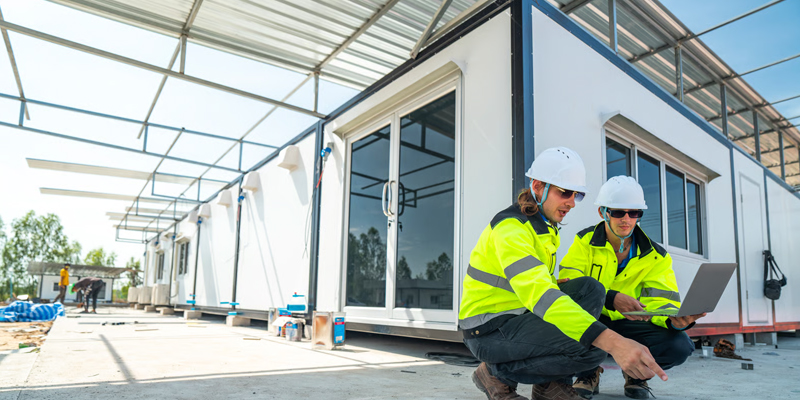
For every shipment, our quality assurance team executes a detailed inspection protocol that focuses on three critical areas: welding, sealing, and thermal insulation. These are not random checks but systematic evaluations using calibrated equipment and standardized procedures.
- Welding inspection: All structural steel connections are examined for penetration depth, uniformity, and strength. Non‑destructive testing methods are applied to detect any subsurface imperfections, ensuring the frame can withstand both static and dynamic loads.
- Sealing performance: Each joint, penetration, and interface is tested for air and water tightness. Special attention is given to window and door perimeters, roof flashings, and panel interconnections – all of which are critical to preventing moisture intrusion and uncontrolled air exchange.
- Thermal insulation verification: The SIP core and all insulated components are measured for thermal resistance (R‑value) and checked for consistent thickness and freedom from voids. Thermal imaging is used to detect any potential bridging paths that could compromise energy performance.
These inspections are conducted in a controlled factory environment, which eliminates many variables that affect on‑site construction quality. The result is a module that meets its design specifications for thermal comfort and durability, regardless of the destination climate.
Adapting to Diverse Overseas Climates
Overseas projects often span a wide range of climatic zones – from hot and humid coastal areas to cold, snowy highlands, and from arid deserts to temperate regions with high seasonal variation. Our modular homes are designed with this diversity in mind, and the inspection regimen is tailored to verify performance under these varied conditions.
For hot climates, we emphasize solar reflectance and ventilation sealing; for cold climates, we focus on maximizing insulation continuity and minimizing thermal bridging. In humid environments, moisture barriers and sealants are critically evaluated, while in windy regions, structural weld quality and anchoring points receive extra attention. This climate‑responsive approach is made possible by our flexible design platform and rigorous pre‑shipment validation.
- Hot‑humid zones: Enhanced sealing against moisture, corrosion‑resistant coatings, and reflective roof finishes.
- Cold climates: Higher‑density insulation, thermal break details, and weather‑tight joints to prevent ice damming and heat loss.
- Arid/desert regions: UV‑resistant sealants, low‑maintenance exteriors, and efficient cooling system integration.
- Temperate zones: Balanced insulation and vapor control to handle seasonal transitions effectively.
By combining customizable designs with a thorough inspection process, we help clients achieve reliable building performance without over‑specifying or underestimating local environmental demands.

Quality Assurance and Global Certification
All inspection procedures are aligned with internationally recognized standards and are part of our broader quality management system. Our manufacturing facilities are equipped with modern testing equipment, and our team of trained inspectors follows documented protocols to ensure consistency and traceability.
Certifications we have achieved cover structural safety, fire resistance, energy efficiency, and environmental management. These credentials provide independent verification that our modules meet or exceed the requirements of most overseas building codes. However, we always recommend that clients consult local authorities for specific compliance needs, as regulations may vary by region.
Our quality culture extends beyond inspections – it is embedded in design reviews, supplier selection, production monitoring, and final packaging for shipment. Every step is documented, and records are kept for future reference, enabling continuous improvement and responsive customer support.
Frequently Asked Questions
How are the welding inspections performed on modular units?
We use both visual and non‑destructive testing (NDT) methods, including ultrasonic and magnetic particle inspections, to verify weld quality. All critical structural connections are checked for penetration, porosity, and overall strength to ensure they can handle the structural demands of the destination region.
What sealing tests are carried out before shipment?
We conduct air leakage tests using blower door equipment and water spray tests on joints and openings. Sealants and gaskets are checked for proper compression and adhesion, with special focus on roof, window, and door interfaces to guarantee weathertightness.
How do you verify thermal insulation performance for different climates?
We measure the R‑value of SIP panels and inspect all insulation layers for uniformity. Thermal imaging cameras are used to detect potential thermal bridges. The design is then adjusted based on the climate profile of the project site to ensure optimal energy efficiency.
Can these modular homes withstand typhoon or earthquake conditions?
Our structural designs follow international engineering standards for wind and seismic loads. The rigorous welding and connection inspections are part of ensuring that the modules can resist such events. However, specific designs may be further optimized based on local hazard maps and client requirements.
Are there different insulation options for hot vs. cold climates?
Yes. We offer various core thicknesses and material densities for SIP panels, as well as optional reflective barriers and thermal break layers. The selection is made during the design phase based on the climate data provided by the client, and the final product is inspected accordingly.
How do you ensure consistent quality across a large shipment?
We follow a strict quality control plan with sample testing and lot‑based verification. Each module is inspected individually before packing, and our digital tracking system logs all inspection results, allowing us to trace and address any deviations promptly.
For exclusive deals and latest offers, sign up by entering your email address below.

-
TEL:+86 18762912902
-
Email:cntaimao@163.com
-
WhatsApp:
-
Add:Group 5, Cao Village, Zhenze Town, Suzhou, Jiangsu, China
Copyright © Suzhou Taimao Integrated Housing Co., Ltd.
All Rights Reserved.
 Wholesale movable homes for sale
custom built modular homes
Wholesale movable homes for sale
custom built modular homes