


 EN
EN
 русский
 Español
 عربى
عربى Français
Our factory holds rich export experience to Southeast Asia, Africa, Europe and Oceania. We can provide full set of export documents for customs clearance.
Admin 2026-08-14Content
- 1 Global Export Expertise – Serving Southeast Asia, Africa, Europe and Oceania
- 2 Rich Export Experience Across Key Regions
- 3 Complete Export Documentation for Smooth Customs Clearance
- 4 Tailored Logistics and Packaging for International Shipping
- 5 Compliance with International Standards and Local Regulations
- 6 Frequently Asked Questions
- 6.1 Which regions do you have the most export experience with?
- 6.2 What export documents do you provide for customs clearance?
- 6.3 Can you handle shipping to remote or landlocked destinations?
- 6.4 How do you ensure modules are not damaged during ocean transit?
- 6.5 Do you comply with European CE or other regional certifications?
- 6.6 How long does the entire export process take from order to delivery?
Global Export Expertise – Serving Southeast Asia, Africa, Europe and Oceania
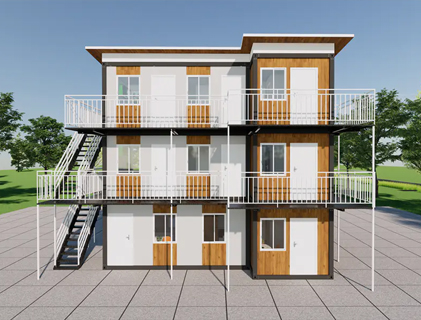
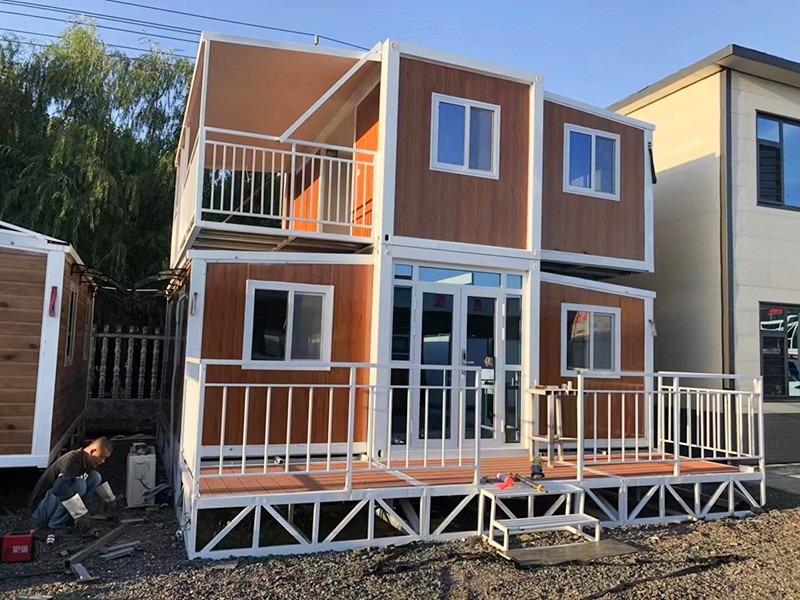
Suzhou Taimao Integrated Housing Co., Ltd. specializes in delivering globally certified modular building solutions, offering industry‑leading modular design, proprietary manufacturing technologies, and end‑to‑end digital software support. Our mission is to accelerate project timelines, boost operational efficiency, minimize ecological impact, and uphold uncompromising standards of quality and safety.
With extensive export experience to Southeast Asia, Africa, Europe, and Oceania, our factory has developed a deep understanding of diverse market requirements, shipping logistics, and regional building practices. This international exposure allows us to tailor our modular products and documentation to meet the specific needs of clients in each region.
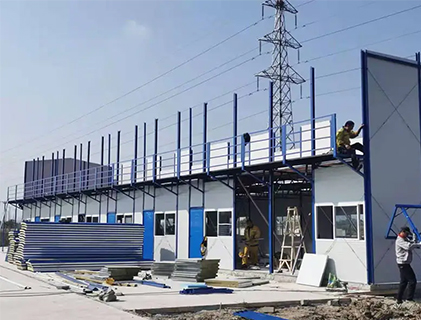
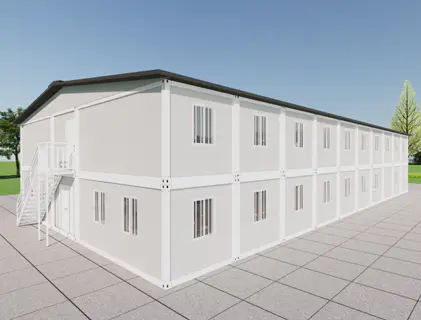
Our flagship SIP (Structural Insulated Panel) modular building system integrates structure, insulation, MEP (mechanical, electrical, plumbing), HVAC, interior finishes, and smart home technologies into a single, unified solution. This rapid assembly technology shifts the majority of on‑site construction and finishing work to controlled factory environments, ensuring consistent quality and faster delivery.
Once prefabricated modules are shipped to the project site, on‑site assembly can be completed in just days—or even hours. Our modular solutions are defining the future of sustainable construction, and our export capabilities make them accessible to a global clientele.

Rich Export Experience Across Key Regions
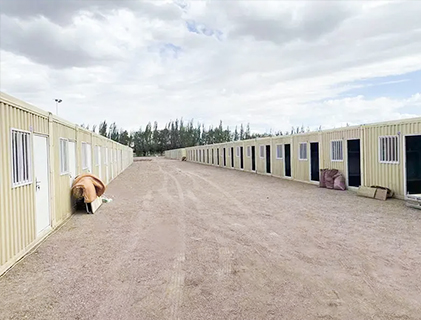
Over the years, we have successfully delivered modular buildings to projects in Southeast Asia, Africa, Europe, and Oceania. Each region presents its own logistical, regulatory, and climatic challenges, and our experience has equipped us with practical solutions for smooth international trade.
| Region | Typical Project Types | Logistical & Regulatory Focus |
|---|---|---|
| Southeast Asia | Worker camps, resorts, office buildings | High humidity / tropical climate; port handling efficiency; local building codes |
| Africa | Mining camps, medical facilities, schools | Varied climate zones; inland transport; customs procedures; durability for remote sites |
| Europe | Temporary housing, commercial pavilions, educational extensions | Strict EU standards; thermal performance requirements; documentation compliance |
| Oceania | Remote workforce accommodation, eco‑lodges | Marine shipping distances; seismic and wind loads; biosecurity requirements |
This regional diversity has allowed us to refine our export processes, from packaging and container loading to customs documentation and after‑sales support. We understand that each shipment is unique, and we work closely with freight forwarders and local agents to ensure timely delivery.
Complete Export Documentation for Smooth Customs Clearance
International shipping of modular buildings involves a range of documents that must be accurately prepared to avoid delays at borders. Our team has extensive experience in compiling and verifying full sets of export documents required for customs clearance in Southeast Asia, Africa, Europe, and Oceania.
Typical documentation we provide includes, but is not limited to:
- Commercial invoice and packing list – with detailed descriptions, HS codes, weights, and dimensions.
- Bill of lading / airway bill – coordinated with shipping lines or freight forwarders.
- Certificate of origin – to qualify for preferential tariffs where applicable.
- Inspection certificates – covering welding, sealing, insulation, and overall quality.
- Customs clearance instructions – tailored to the destination country’s requirements.
- Insurance and compliance statements – where required by local regulations.
We maintain up‑to‑date knowledge of changing trade policies, tariff codes, and import restrictions in the regions we serve. Our administrative team works proactively with clients to collect necessary information early, reducing the risk of last‑minute surprises.

Tailored Logistics and Packaging for International Shipping
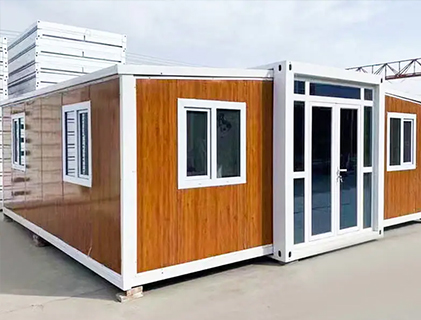
Beyond paperwork, physical handling of modules is equally important. Our products are designed with containerization in mind – standard dimensions allow for efficient stacking and loading into 20‑foot or 40‑foot containers, as well as flat racks for larger assemblies.
We provide customized packaging solutions to protect modules during ocean transit, including waterproof wrapping, edge protectors, and bracing to prevent movement. For projects in remote areas, we coordinate inland transport options and advise on the best ports of entry based on past experience.
Our export team has handled shipments to major ports such as Singapore, Mombasa, Rotterdam, and Melbourne, as well as smaller, less‑frequented destinations. This breadth of experience helps us anticipate potential bottlenecks and suggest practical alternatives.
Compliance with International Standards and Local Regulations
Each region we export to has its own set of technical standards and certification schemes. While our products are manufactured to meet international benchmarks for structural, fire, and energy performance, we also work with clients to address any specific local requirements – such as CE marking for Europe, or SANS standards for South Africa.
We do not make blanket claims about universal compliance, but we actively collaborate with local partners and consultants to interpret and fulfil regional regulations. Our documentation package often includes test reports and material declarations that can assist with local approval processes.
For clients who require third‑party inspections at origin, we can arrange for accredited surveyors to verify product quality and loading procedures, providing an additional layer of transparency and confidence.
Frequently Asked Questions
Which regions do you have the most export experience with?
We have extensive export experience to Southeast Asia (e.g., Singapore, Indonesia, Philippines), Africa (Kenya, Nigeria, South Africa, etc.), Europe (Netherlands, Germany, UK), and Oceania (Australia, New Zealand). Our knowledge covers their specific customs procedures and logistical nuances.
What export documents do you provide for customs clearance?
We provide a complete set including commercial invoice, packing list, bill of lading, certificate of origin, inspection certificates, and any region‑specific declarations. We also assist with completing customs entry forms as needed.
Can you handle shipping to remote or landlocked destinations?
Yes. We have coordinated multi‑modal shipments that involve sea freight to a main port, followed by rail or road transport. We work with experienced freight partners to manage transshipment and last‑mile delivery, though we advise clients to verify local infrastructure conditions.
How do you ensure modules are not damaged during ocean transit?
We use robust packaging materials, including waterproof covers, edge protection, and internal bracing. All modules are securely fastened inside containers, and we work with shipping lines to minimize handling. Insurance coverage is also arranged for each shipment.
Do you comply with European CE or other regional certifications?
Our products are designed to meet international standards, and we can provide test reports and declarations. For specific certification marks like CE, we work with clients to prepare the necessary technical files and arrange third‑party assessments if required.
How long does the entire export process take from order to delivery?
The timeline depends on production lead time, shipping schedules, and clearance efficiency. Generally, after production is completed, ocean transit to most regions takes 2–6 weeks. We provide a projected timeline at the order stage and keep clients updated throughout the process.
For exclusive deals and latest offers, sign up by entering your email address below.

-
TEL:+86 18762912902
-
Email:cntaimao@163.com
-
WhatsApp:
-
Add:Group 5, Cao Village, Zhenze Town, Suzhou, Jiangsu, China
Copyright © Suzhou Taimao Integrated Housing Co., Ltd.
All Rights Reserved.
 Wholesale movable homes for sale
custom built modular homes
Wholesale movable homes for sale
custom built modular homes