

 EN
EN
 русский
 Español
 عربى
عربى Français
We offer door-to-port delivery service for all export orders, with professional loading team to avoid damage during container stuffing.
Admin 2026-08-16Content
- 1 The Growing Demand for Efficient Workforce Housing
- 2 Engineered for Speed, Strength, and Simplicity
- 3 Rapid Deployment: From Factory to Site in Days
- 4 Built to Last: Durability and Low Maintenance
- 5 Logistics Excellence: Door‑to‑Port Delivery and Professional Loading
- 6 Comfort and Functionality for the Modern Workforce
- 7 Sustainability and Environmental Responsibility
- 8 Applications Across Diverse Project Types
- 9 Frequently Asked Questions
- 9.1 What is the typical timeline for delivery and installation?
- 9.2 How does the overall cost compare to traditional construction methods?
- 9.3 Can the units be customized to meet specific project requirements?
- 9.4 Are the container dormitories suitable for extreme climates?
- 9.5 What maintenance is required for the container dormitories?
- 9.6 Can the units be relocated after a project is completed?
- 9.7 How does the door‑to‑port delivery service work?
- 10 Technical Specifications Overview
- 11 Conclusion
The Growing Demand for Efficient Workforce Housing
Large-scale infrastructure and energy projects across remote and overseas locations present a persistent challenge: providing safe, comfortable, and rapidly deployable accommodation for construction teams. Traditional on-site building methods often struggle with extended timelines, logistical complexity, and high labor costs. In response, the construction industry is increasingly turning to modular solutions that can be manufactured off-site and assembled quickly upon arrival.
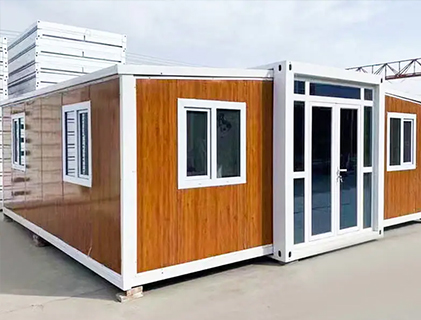
Modular container dormitories have emerged as a practical answer to these demands. These units are prefabricated in controlled factory environments, allowing for consistent quality control and reduced material waste. Once transported to the project site, they can be installed in a fraction of the time required for conventional construction, enabling construction teams to focus on their core mission without delays caused by inadequate housing.

Engineered for Speed, Strength, and Simplicity
Suzhou Taimao Integrated Housing Co., Ltd. specializes in delivering globally certified modular building solutions. Our flagship SIP (Structural Insulated Panel) modular building system integrates structure, insulation, MEP (mechanical, electrical, plumbing), HVAC, interior finishes, and smart home technologies into a single, unified solution. This rapid assembly technology shifts the majority of on-site construction and finishing work to controlled factory environments.
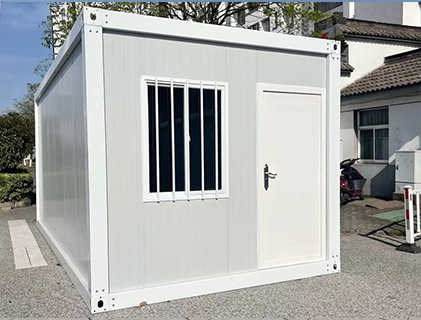
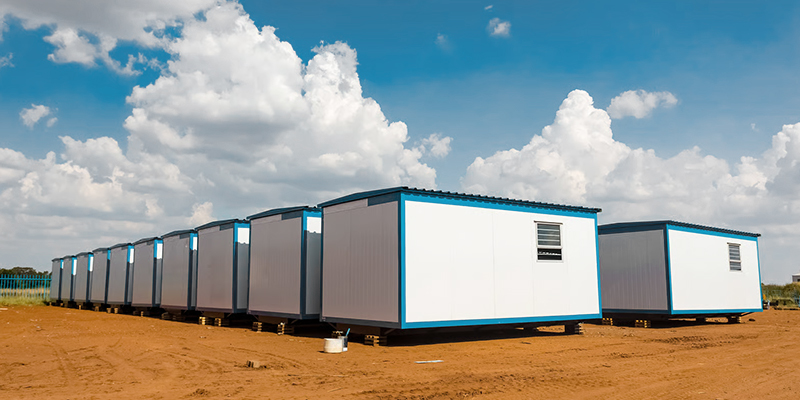
The container dormitories designed for overseas construction teams leverage this SIP technology to achieve three critical objectives: quick installation, strong structure, and low maintenance cost. The factory-prefabricated modules arrive at the site ready for assembly, with most interior finishes and systems already in place. This approach reduces on-site labor requirements and minimizes the coordination challenges typically associated with traditional construction.
Structural integrity is ensured through the inherent strength of the SIP panels, which consist of durable outer layers bonded to a high-density insulating foam core. This construction method provides excellent load-bearing capacity while maintaining a lightweight profile that simplifies transportation and handling. The result is a dormitory that can withstand the rigors of remote job sites while offering a comfortable living environment for workers.
Rapid Deployment: From Factory to Site in Days
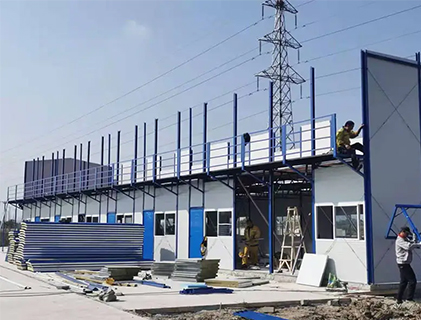
One of the most significant advantages of the modular container dormitory is the speed of deployment. Once prefabricated modules are shipped to the project site, on-site assembly can be completed in just days—or even hours. This accelerated timeline is made possible by the off-site manufacturing process, where the majority of construction and finishing work is completed before the modules ever leave the factory.
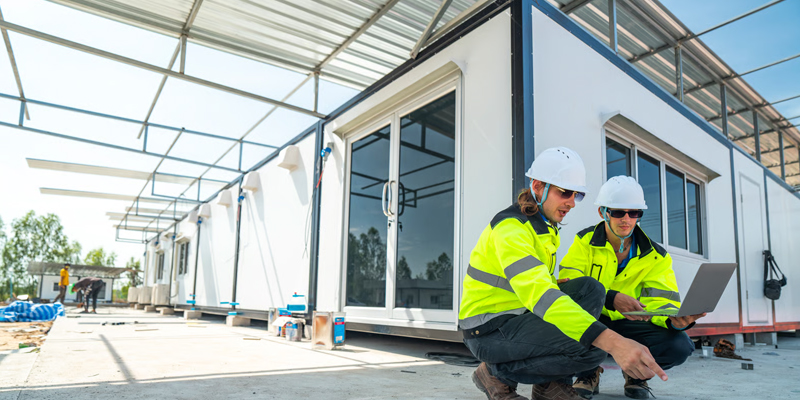
The modular units are designed for straightforward assembly using simple lifting and bolted connections. This eliminates the need for complex on-site welding or extensive specialized labor. A small team can typically complete the installation of multiple units within a short timeframe, allowing the workforce to move into their new accommodations promptly.
This rapid deployment capability is particularly valuable for overseas projects, where logistical challenges and remote locations can complicate traditional construction efforts. By minimizing the time and resources required for on-site assembly, modular container dormitories help project managers maintain schedules and control costs.
Built to Last: Durability and Low Maintenance
Durability is a key consideration for any structure intended for use in demanding construction environments. The container dormitories manufactured by Suzhou Taimao are engineered to provide long-term performance with minimal maintenance requirements. The use of high-quality steel and corrosion-resistant materials ensures that the units can withstand exposure to the elements.
The SIP panel construction contributes to the overall durability of the structure. The panels are resistant to moisture, mold, and pests, reducing the risk of deterioration over time. Additionally, the factory-controlled manufacturing process allows for precise quality assurance, ensuring that each module meets stringent standards before it is shipped.
Maintenance costs are kept low through the use of durable, low-maintenance materials and finishes. The streamlined design minimizes the number of components that require regular servicing or replacement. This focus on longevity and ease of maintenance makes the container dormitory a cost-effective solution for project owners and operators.

Logistics Excellence: Door‑to‑Port Delivery and Professional Loading
Successful deployment of modular container dormitories depends not only on the product itself but also on reliable logistics. For all export orders, we offer a comprehensive door‑to‑port delivery service that covers the entire journey from our factory to the destination port. This service simplifies the shipping process for overseas clients, reducing the administrative burden and coordination effort typically associated with international freight.
To further safeguard the integrity of each module during transit, our dedicated loading team follows standardized procedures for container stuffing. The team is trained to secure the units properly, distribute weight evenly, and use protective materials where needed. This professional approach significantly minimizes the risk of damage during handling and shipping, ensuring that the dormitories arrive at the project site in the same condition as when they left the factory.
By integrating logistics expertise with modular production, we provide a seamless experience from order placement to site delivery. Clients can focus on their core construction activities, while we manage the transport chain with attention to safety and efficiency.
Comfort and Functionality for the Modern Workforce
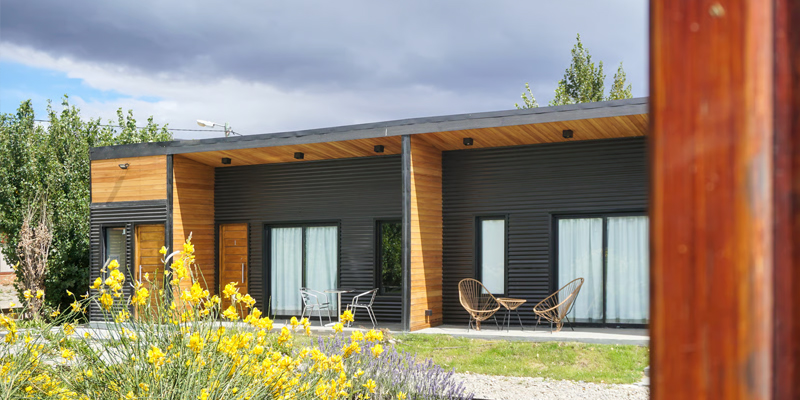
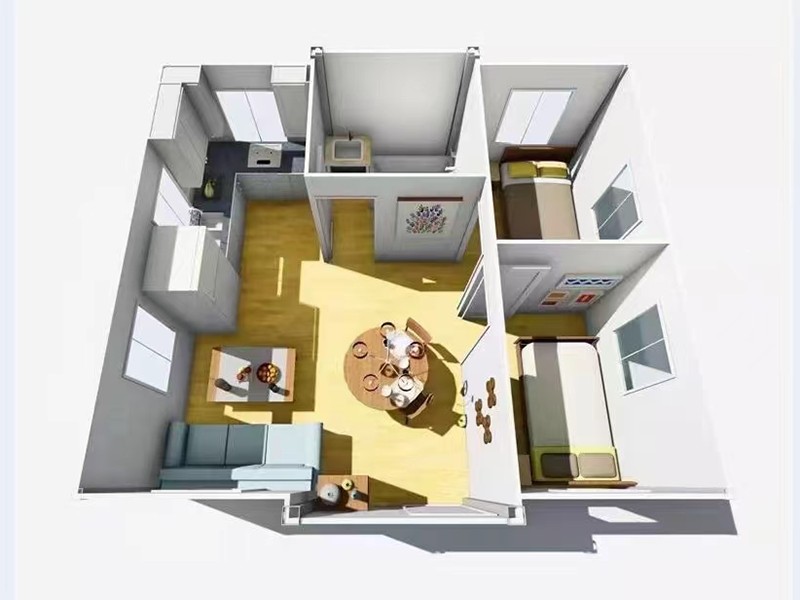
Beyond structural performance and rapid installation, the container dormitories are designed to provide a comfortable and functional living environment for construction workers. The modular units can be configured to include a range of amenities, such as:
- Private or shared sleeping quarters with adequate space and storage
- Integrated heating, ventilation, and air conditioning (HVAC) systems for climate control
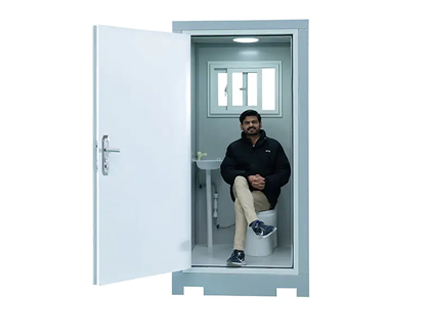
- Plumbing and electrical systems, including lighting and power outlets
- Interior finishes that provide a clean, modern aesthetic
- Optional features such as smart home technologies and enhanced acoustic insulation
The integration of these systems into the factory-built modules ensures that they are installed with precision and consistency. This approach not only improves the quality of the finished product but also reduces the time and complexity of on-site installation.
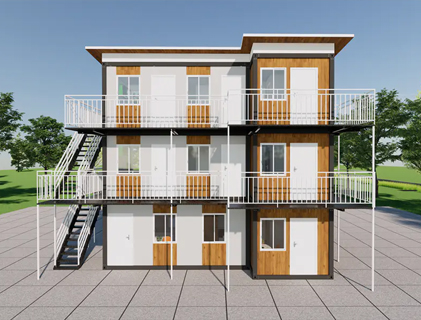
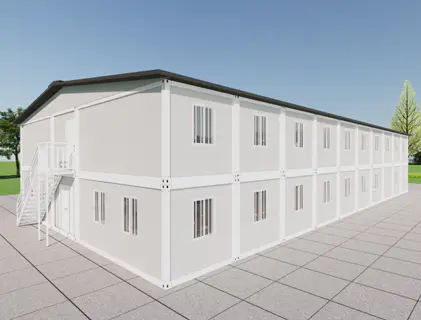
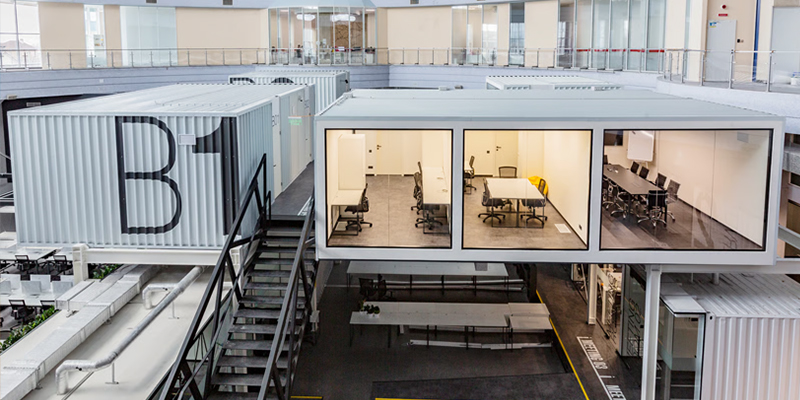
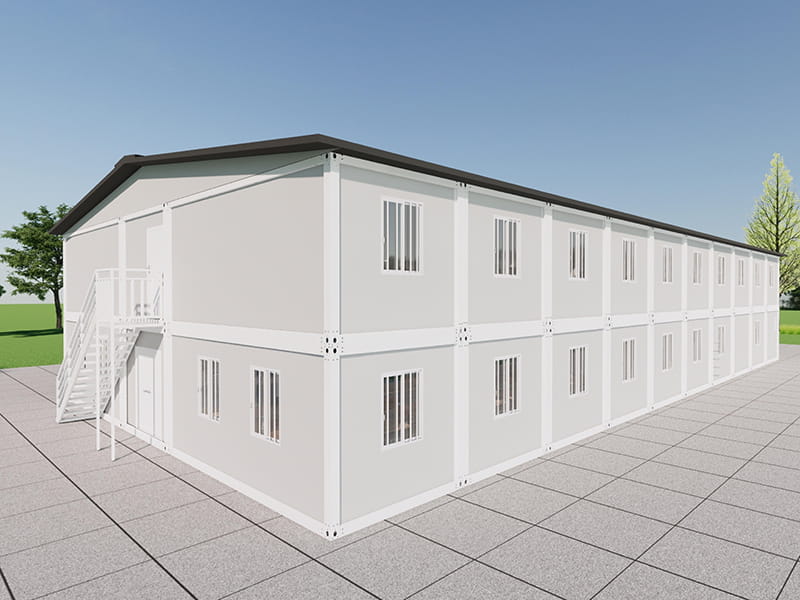
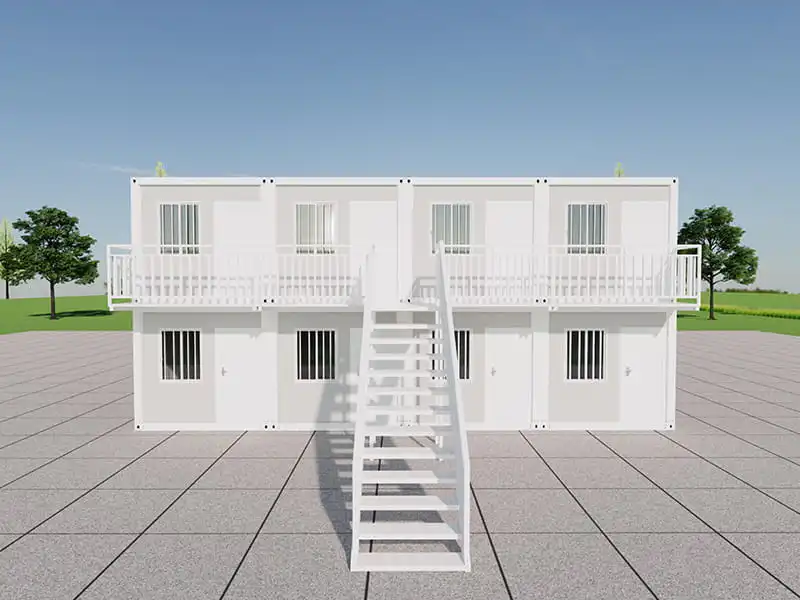
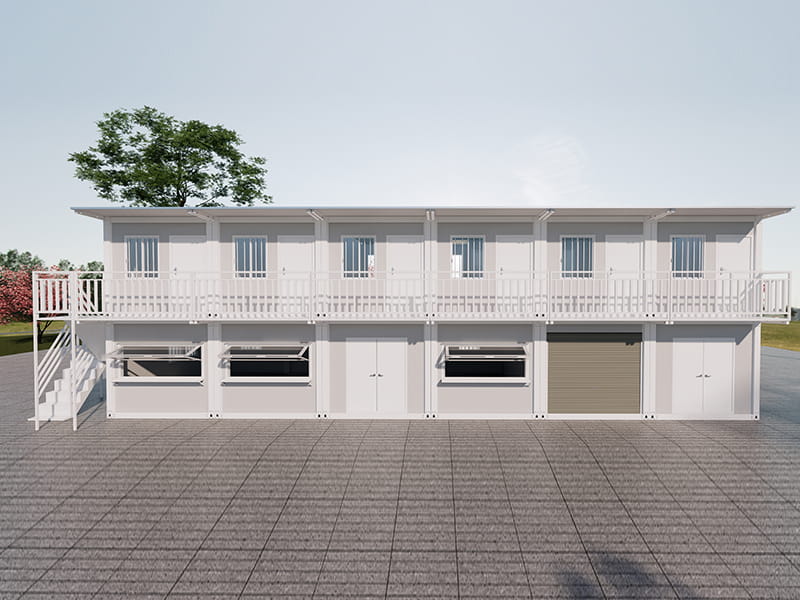
The modular design also allows for flexibility in configuration. Multiple units can be combined to create larger dormitory complexes, or they can be arranged to include common areas such as dining halls, recreation rooms, and laundry facilities. This adaptability makes the container dormitory suitable for a wide range of project scales and workforce sizes.
Sustainability and Environmental Responsibility
Sustainability is an increasingly important consideration in the construction industry, and modular container dormitories offer several environmental benefits. The off-site manufacturing process generates less waste compared to traditional on-site construction, as materials can be precisely measured and cut in the factory. Any offcuts or surplus materials can be recycled, further reducing the environmental footprint.
The energy efficiency of the SIP panel construction also contributes to the sustainability of the units. The high-density insulating foam core provides excellent thermal performance, reducing the energy required for heating and cooling. This can result in lower operational costs and a reduced carbon footprint over the life of the structure.
Furthermore, the modular nature of the container dormitory allows for relocation and reuse. At the end of a project, the units can be disassembled, transported to a new site, and reassembled, extending their useful life and reducing the demand for new materials. This circular approach to construction aligns with the broader goals of sustainable development.
Applications Across Diverse Project Types
The versatility of the modular container dormitory makes it suitable for a wide range of applications beyond traditional construction sites. These units have been deployed in various sectors, including:
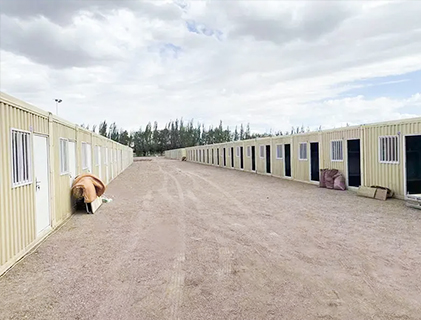
- Mining and resource extraction – Providing accommodation for workers in remote and often harsh environments
- Oil and gas projects – Supporting exploration and production activities with temporary or semi-permanent housing
- Humanitarian and disaster relief – Offering rapid shelter solutions for displaced populations
- Military and defense – Providing secure and functional living quarters for personnel
- Large-scale infrastructure projects – Housing workers during the construction of roads, bridges, and other major developments
In each of these contexts, the key advantages of the container dormitory—rapid deployment, structural strength, and low maintenance—remain consistent. The ability to quickly establish a functional and comfortable living environment is a critical factor in the success of these projects.
Frequently Asked Questions
What is the typical timeline for delivery and installation?
The timeline varies depending on the project size and location. However, once the modules are shipped to the site, on-site assembly can often be completed in a matter of days. The factory prefabrication process significantly reduces the time required for on-site work.
How does the overall cost compare to traditional construction methods?
While specific costs depend on project specifications, modular construction generally offers cost advantages through reduced labor requirements, shorter project timelines, and minimized material waste. The controlled factory environment also reduces the risk of cost overruns associated with weather delays and on-site issues.
Can the units be customized to meet specific project requirements?
Yes, the modular design allows for a high degree of customization. Units can be configured with various interior layouts, finishes, and amenities to suit the needs of the workforce and the project. Multiple units can also be combined to create larger complexes.
Are the container dormitories suitable for extreme climates?
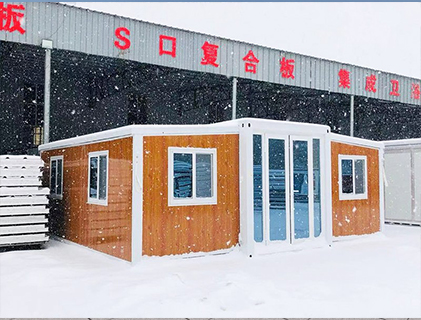
The SIP panel construction provides excellent thermal insulation, making the units suitable for a range of climates. Optional features such as enhanced HVAC systems and additional insulation can be incorporated to address specific environmental conditions.
What maintenance is required for the container dormitories?
The units are designed for low maintenance, utilizing durable materials and finishes that resist wear and environmental damage. Regular inspections and basic upkeep are typically sufficient to maintain the structure's performance over its lifespan.
Can the units be relocated after a project is completed?
Yes, the modular nature of the construction allows for disassembly and relocation. This feature extends the useful life of the units and supports sustainable construction practices by reducing the need for new materials.
How does the door‑to‑port delivery service work?
We manage the entire transport process from our factory to the designated port of destination. Our professional loading team handles container stuffing with care to prevent damage during transit. Clients receive tracking information and coordination support throughout the shipment.
Technical Specifications Overview
The following table provides a general overview of the key technical specifications for the modular container dormitory units. Specific configurations may vary based on project requirements.
| Specification | Details |
|---|---|
| Structural System | SIP (Structural Insulated Panel) modular construction |
| Insulation Core | High-density insulating foam |
| Exterior Finish | Durable, corrosion-resistant steel |
| Assembly Method | Bolted connections, no welding required |
| On-site Installation Time | Days to hours, depending on unit count |
| Customization Options | Interior layout, finishes, HVAC, smart home features |
| Logistics Support | Door‑to‑port delivery with professional loading team |
Conclusion
The modular container dormitory represents a practical and efficient solution for the housing needs of overseas construction teams. By combining rapid installation, robust structural performance, and low maintenance requirements, these units address the key challenges faced by project managers in remote and demanding environments.
Suzhou Taimao Integrated Housing Co., Ltd. brings together industry-leading modular design, proprietary manufacturing technologies, and end-to-end digital software support to deliver globally certified solutions. Our mission is to accelerate project timelines, boost operational efficiency, minimize ecological impact, and uphold uncompromising standards of quality and safety. The SIP modular building system exemplifies this commitment, offering a unified solution that integrates structure, insulation, MEP, HVAC, interior finishes, and smart home technologies into a single, cohesive package.
As the construction industry continues to evolve, the demand for efficient, sustainable, and rapidly deployable workforce housing is expected to grow. Modular container dormitories are well-positioned to meet this demand, providing a versatile and reliable option for projects around the world.
For exclusive deals and latest offers, sign up by entering your email address below.

-
TEL:+86 18762912902
-
Email:cntaimao@163.com
-
WhatsApp:
-
Add:Group 5, Cao Village, Zhenze Town, Suzhou, Jiangsu, China
Copyright © Suzhou Taimao Integrated Housing Co., Ltd.
All Rights Reserved.
 Wholesale movable homes for sale
custom built modular homes
Wholesale movable homes for sale
custom built modular homes