

 EN
EN
 русский
 Español
 عربى
عربى Français
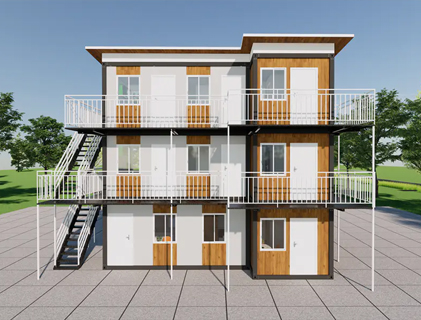
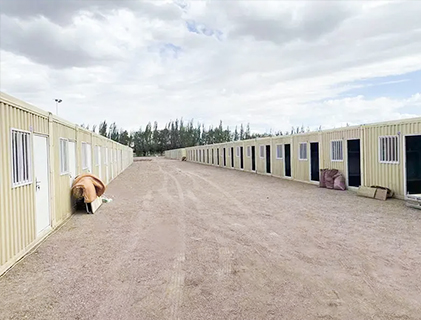
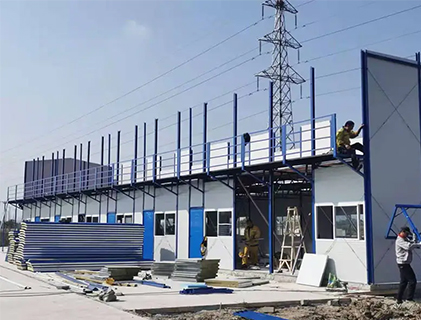
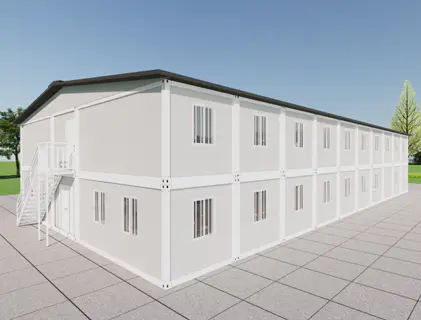
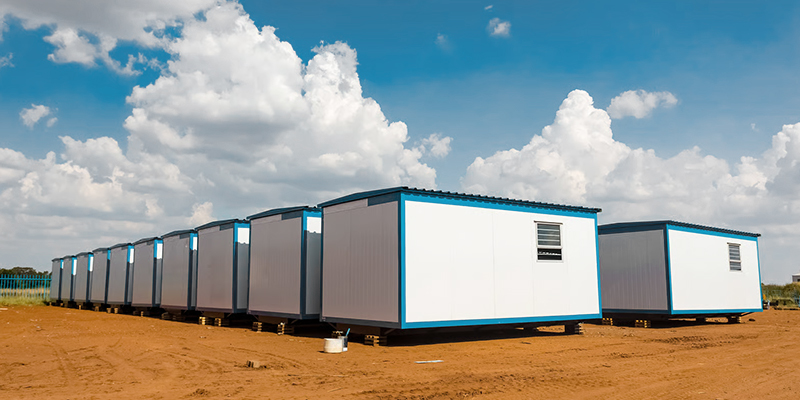
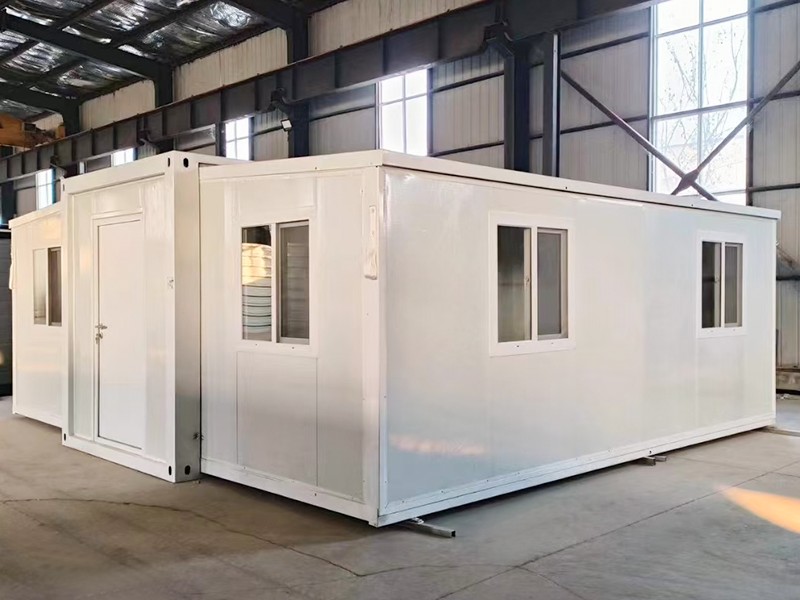
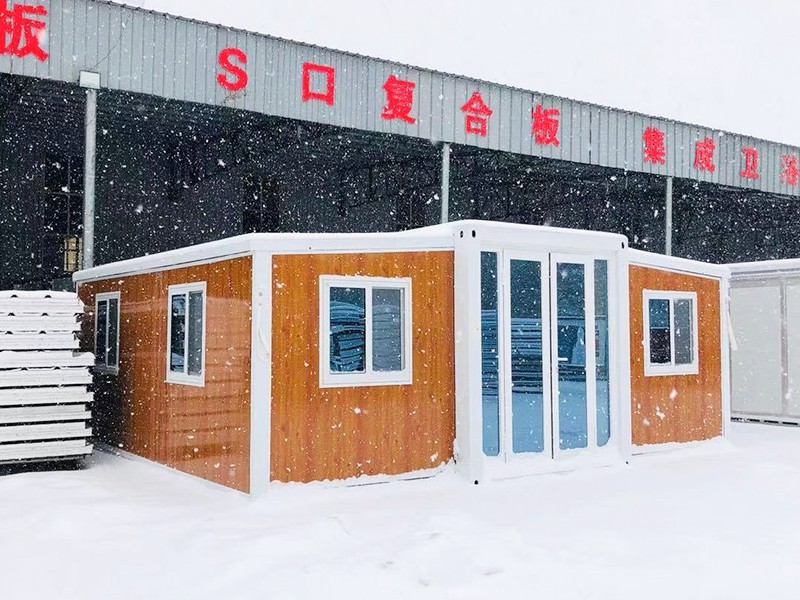
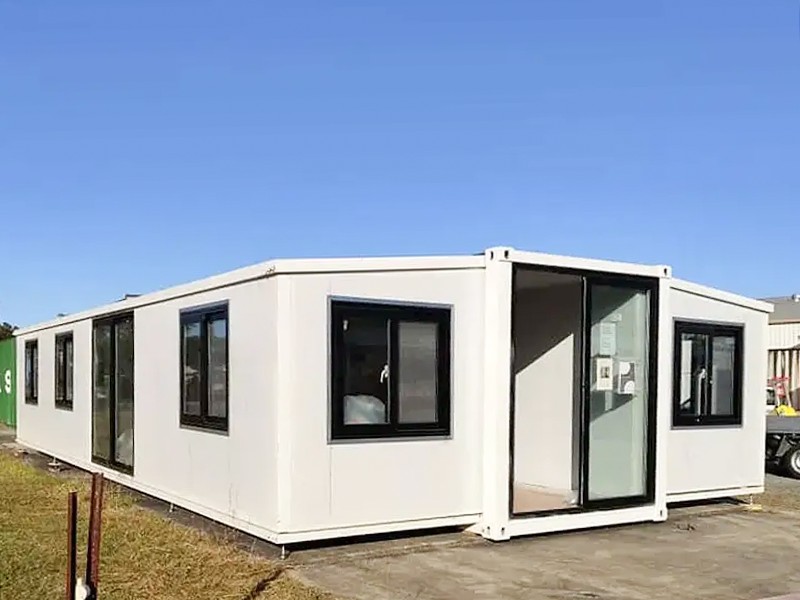
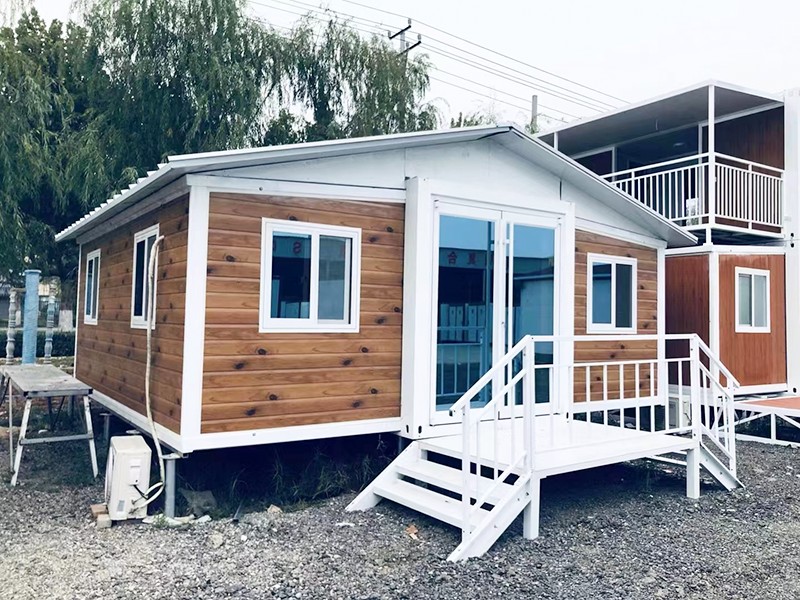
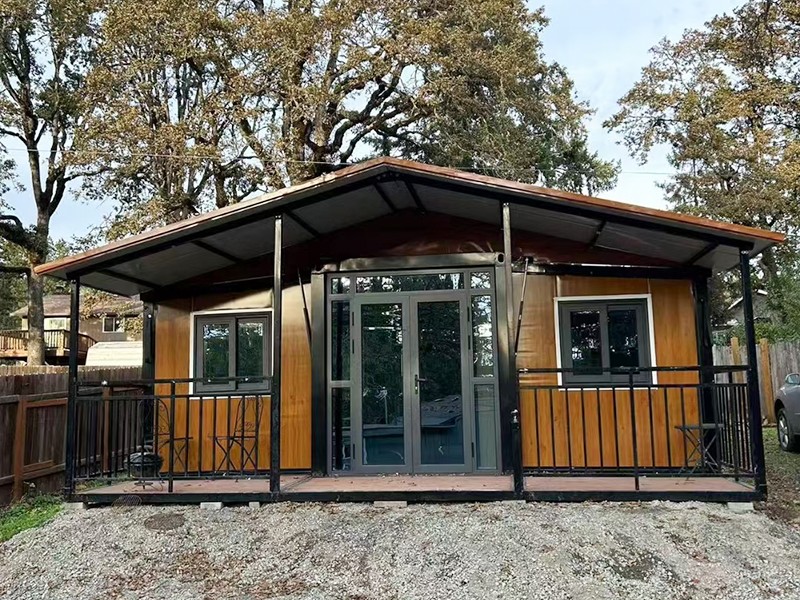
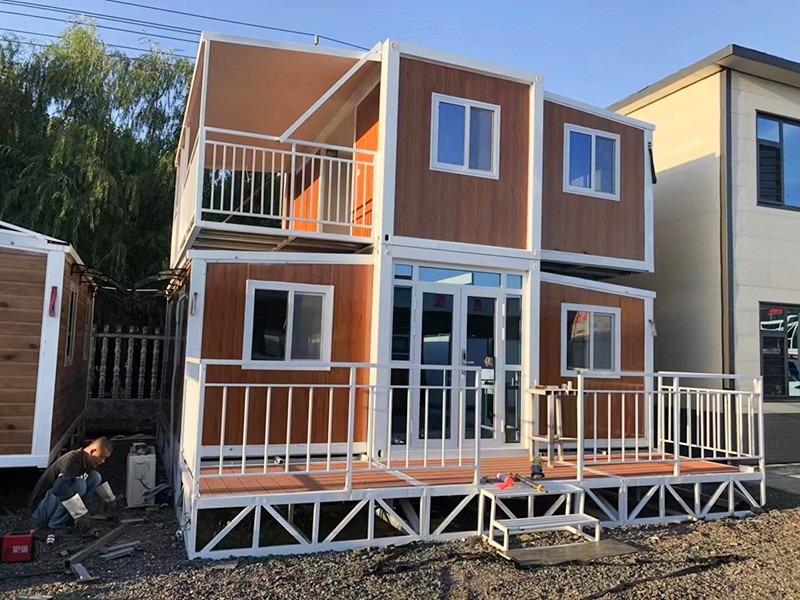
The modular houses in this shipment can be freely spliced into multi-story buildings, ideal for large overseas engineering bases and worker camps.
Admin 2026-08-17Content
- 1 Addressing the Housing Needs of Large Overseas Engineering Bases
- 2 Engineered for Speed, Strength, and Versatility
- 3 Rapid Deployment: Assembly in Days, Not Months
- 4 Durable and Low‑Maintenance for Long‑Term Use
- 5 Seamless Logistics: Door‑to‑Port Delivery and Professional Handling
- 6 Comfort and Amenities for the Modern Workforce
- 7 Sustainability and Reusability
- 8 Applications Beyond Worker Housing
- 9 Frequently Asked Questions
- 9.1 How many stories can the modular units be stacked?
- 9.2 Does the splicing require special tools or skilled labor?
- 9.3 Can the units be reconfigured after initial assembly?
- 9.4 What about fire safety and emergency exits in multi‑story buildings?
- 9.5 How is the door‑to‑port delivery coordinated for large orders?
- 9.6 Is there a minimum order quantity for multi‑story projects?
- 10 Technical Specifications Overview
- 11 Conclusion
Addressing the Housing Needs of Large Overseas Engineering Bases
Large‑scale overseas infrastructure and energy projects often require accommodating hundreds or even thousands of workers in remote locations. Traditional construction of permanent or semi‑permanent housing can take months, delaying project timelines and increasing costs. Modular container dormitories offer a practical alternative, combining factory‑precision manufacturing with rapid on‑site assembly.
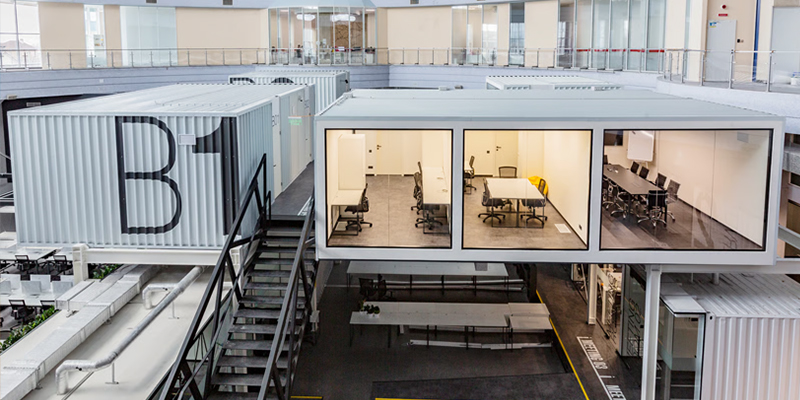
A key advantage of these modular units is their ability to be freely spliced into multi‑story buildings. This flexibility allows project planners to create compact, high‑density living quarters that make efficient use of available land, while still providing comfortable and safe accommodations for the workforce.

Engineered for Speed, Strength, and Versatility
Suzhou Taimao Integrated Housing Co., Ltd. specializes in delivering globally certified modular building solutions. Our flagship SIP (Structural Insulated Panel) modular building system integrates structure, insulation, MEP (mechanical, electrical, plumbing), HVAC, interior finishes, and smart home technologies into a single, unified solution. This rapid assembly technology shifts the majority of on‑site construction and finishing work to controlled factory environments.
For overseas engineering bases, the SIP system provides the structural integrity needed for multi‑story stacking. The panels are engineered to bear vertical loads and transfer forces efficiently, allowing modules to be stacked up to several stories high without compromising safety or stability. This makes the container dormitory suitable for both single‑story camps and multi‑story workforce villages.
The modular design also supports various floor plans and configurations. Units can be arranged side‑by‑side, end‑to‑end, or stacked vertically, with connecting corridors and staircases integrated seamlessly. This adaptability enables project managers to design layouts that match site topography and space constraints.
Rapid Deployment: Assembly in Days, Not Months
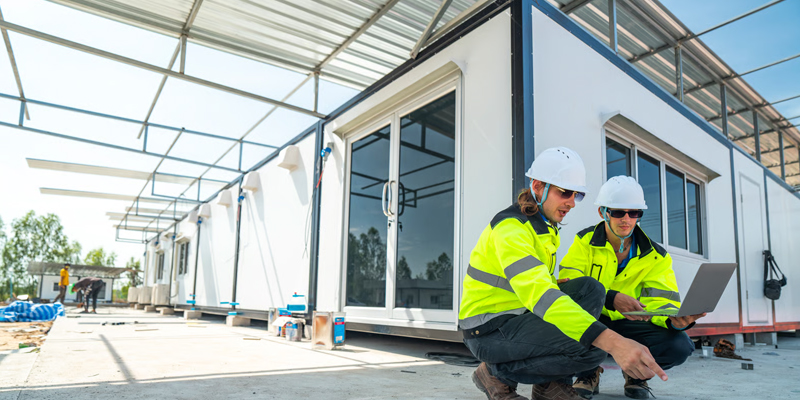
Once prefabricated modules are shipped to the project site, on‑site assembly can be completed in just days—or even hours for smaller configurations. For multi‑story buildings, the process is equally efficient: each module is lifted into position using cranes and secured with bolted connections. The predictable, factory‑controlled production ensures that all modules fit together precisely, eliminating the delays often associated with on‑site welding or cutting.
This accelerated timeline is especially valuable for large overseas engineering bases, where housing must be ready before the main workforce arrives. By reducing the construction period from months to days, projects can start on schedule, and workers can move into comfortable quarters without the disruption of ongoing construction around them.
The ability to stack modules also increases the density of accommodations without expanding the building footprint, which is particularly beneficial in areas where land is limited or expensive to prepare.
Durable and Low‑Maintenance for Long‑Term Use
Engineering bases often operate in harsh environments—extreme temperatures, high humidity, or coastal salt spray. The container dormitories are built with corrosion‑resistant steel and robust exterior cladding to withstand these conditions. The SIP panels provide additional protection against moisture ingress and thermal bridging, ensuring a consistent interior climate.
Maintenance requirements are kept low through the use of durable finishes and simplified systems. The modular construction reduces the number of joints and seams where problems can develop, and the factory‑quality control ensures that each unit meets stringent standards before shipping. This translates to fewer repairs and lower lifecycle costs for project operators.
For multi‑story configurations, the structural connections are designed for long‑term stability, with regular inspection points that are easily accessible. The overall design prioritizes longevity, supporting the extended durations typical of large‑scale overseas projects.

Seamless Logistics: Door‑to‑Port Delivery and Professional Handling
Coordinating the transport of modular units to overseas sites requires careful planning. We offer a comprehensive door‑to‑port delivery service that covers every step from our factory to the destination port. This service includes documentation, customs clearance coordination, and real‑time tracking, reducing the administrative burden on our clients.
Our professional loading team is trained to handle container stuffing with precision. They secure each module using appropriate bracing and padding to prevent shifting or damage during sea voyage. This attention to detail ensures that the units arrive in perfect condition, ready for immediate assembly. For multi‑story projects, the loading plan accounts for stacking order, so that modules can be unloaded and placed in the correct sequence.
By integrating logistics expertise with modular production, we help clients avoid common pitfalls such as delays at ports or unexpected damage claims, allowing the focus to remain on project execution.
Comfort and Amenities for the Modern Workforce
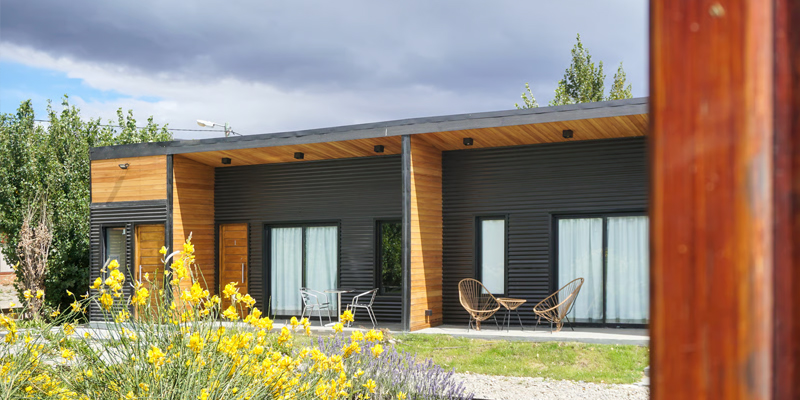
Worker well‑being is a priority in long‑term engineering camps. The container dormitories are designed to provide a comfortable living environment with a range of built‑in features:
- Private or shared sleeping quarters with adequate storage and ventilation
- Integrated HVAC systems for temperature control in all climates
- Complete plumbing and electrical installations, including lighting and USB charging ports
- Interior finishes that are easy to clean and maintain
- Optional sound insulation and smart home connectivity for enhanced comfort
In multi‑story configurations, common areas such as kitchens, dining halls, and recreation rooms can be incorporated on lower floors, with sleeping quarters on upper levels. This vertical organization optimizes space and improves the overall living experience for workers.
Sustainability and Reusability
Modular construction inherently reduces waste compared to traditional methods. Precise factory cutting and material recycling minimize the environmental footprint. The energy‑efficient SIP panels lower heating and cooling demands, contributing to reduced operational emissions.
Furthermore, the modular design allows for disassembly and relocation. After a project concludes, the units can be taken apart, transported to a new site, and reassembled—even reconfigured into different building heights or layouts. This circular approach extends the service life of the materials and supports sustainable development goals.
Applications Beyond Worker Housing
While designed for workforce accommodation, the multi‑story modular system can also serve other purposes at engineering bases, such as:
- Office and administration buildings – providing workspace for project management
- Medical clinics and first‑aid stations – for on‑site healthcare services
- Storage and workshop facilities – with reinforced floors and large openings
- Recreation and dining centers – promoting worker morale and community
The flexibility of the splicing system means that a single product line can fulfill multiple functional roles within the same camp, streamlining procurement and maintenance.
Frequently Asked Questions
How many stories can the modular units be stacked?
The structural design supports stacking up to four stories under standard conditions, with engineering adjustments available for higher configurations depending on site‑specific requirements and local regulations.
Does the splicing require special tools or skilled labor?
No. The bolted connection system is designed for simple assembly using common tools. A trained crew can complete the stacking and securing process efficiently, with clear installation manuals provided.
Can the units be reconfigured after initial assembly?
Yes. The modular nature allows for disassembly and reconfiguration. Units can be moved, added, or removed to adapt to changing camp needs over time.
What about fire safety and emergency exits in multi‑story buildings?
Fire‑resistant materials are used in the panel construction, and the design includes provisions for emergency egress, such as external staircases and fire‑rated separation between units, in compliance with international standards.
How is the door‑to‑port delivery coordinated for large orders?
We manage the entire logistics chain, from factory loading to port handling. Our team plans the shipment schedule, prepares documentation, and ensures that the modules are loaded in the correct order for efficient on‑site assembly.
Is there a minimum order quantity for multi‑story projects?
We work with projects of various sizes. For multi‑story configurations, the order quantity depends on the number of units required for the desired building layout. We provide consultation to determine the optimal number and arrangement.
Technical Specifications Overview
The table below summarizes key technical data for the modular container dormitory units, including multi‑story capabilities. Actual specifications may be adjusted per project.
| Parameter | Details |
|---|---|
| Structural System | SIP modular with steel frame |
| Max Stacking Height | Up to 4 stories (customizable) |
| Connection Method | Bolted, no welding |
| Insulation Core | High‑density polyurethane foam |
| Exterior Cladding | Corrosion‑resistant steel |
| On‑site Assembly Time | Days per floor, depending on size |
| Delivery Service | Door‑to‑port with professional loading |
Conclusion
Modular container dormitories that splice freely into multi‑story buildings offer a practical, efficient, and sustainable housing solution for large overseas engineering bases and worker camps. With rapid assembly, robust construction, and low maintenance, these units help project managers overcome the challenges of remote logistics and tight schedules.
Suzhou Taimao Integrated Housing Co., Ltd. combines industry‑leading modular design, proprietary manufacturing technologies, and end‑to‑end digital software support to deliver globally certified solutions. Our mission is to accelerate project timelines, boost operational efficiency, minimize ecological impact, and uphold uncompromising standards of quality and safety. The SIP modular building system exemplifies this commitment—offering a unified, adaptable platform that meets the diverse needs of modern construction projects worldwide.
As overseas engineering ventures continue to expand, the ability to deploy comfortable, scalable, and relocatable housing will remain a cornerstone of successful project execution. Modular multi‑story dormitories are well‑positioned to meet this growing demand.
For exclusive deals and latest offers, sign up by entering your email address below.

-
TEL:+86 18762912902
-
Email:cntaimao@163.com
-
WhatsApp:
-
Add:Group 5, Cao Village, Zhenze Town, Suzhou, Jiangsu, China
Copyright © Suzhou Taimao Integrated Housing Co., Ltd.
All Rights Reserved.
 Wholesale movable homes for sale
custom built modular homes
Wholesale movable homes for sale
custom built modular homes