



 EN
EN
 русский
 Español
 عربى
عربى Français
Shipping day! Custom prefab houses for overseas buyers.
Admin 2026-07-31Content
- 1 Shipping Day: Custom Prefab Houses Ready for Overseas Projects
- 2 What Happens Before Shipping?
- 3 Why Factory Prefabrication Supports International Projects
- 4 Typical Shipping Workflow for Custom Prefab Houses
- 5 About Suzhou Taimao Integrated Housing Co., Ltd.
- 6 Applications of Overseas Modular Building Projects
- 7 FAQ
Shipping Day: Custom Prefab Houses Ready for Overseas Projects
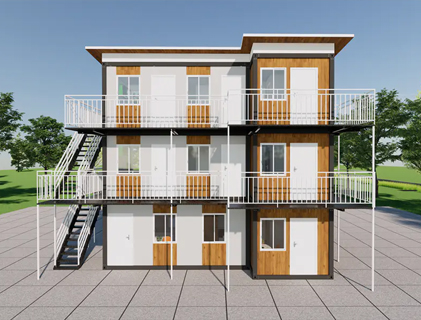
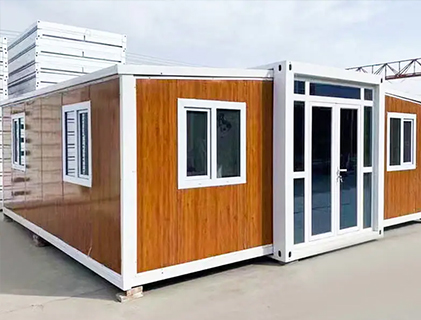
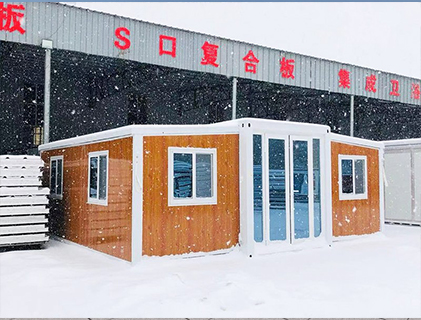
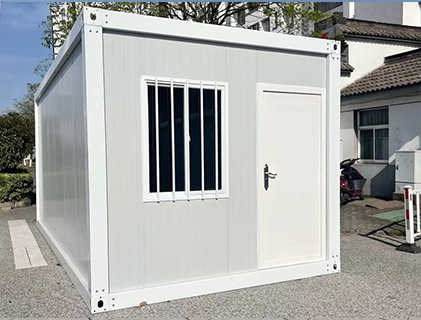
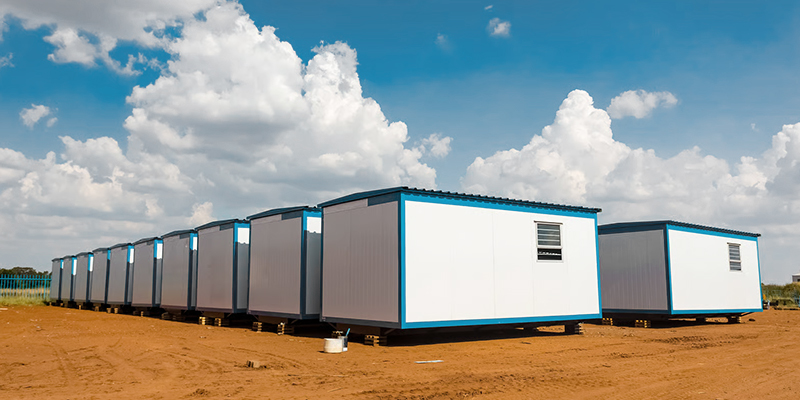
Shipping day represents an important milestone in every modular construction project. After design verification, factory manufacturing, quality inspections, and packaging are completed, custom prefab houses are prepared for international transportation. Careful planning throughout this stage helps modules arrive in good condition and supports efficient installation at the destination.
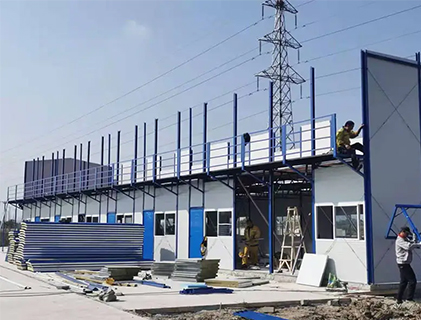
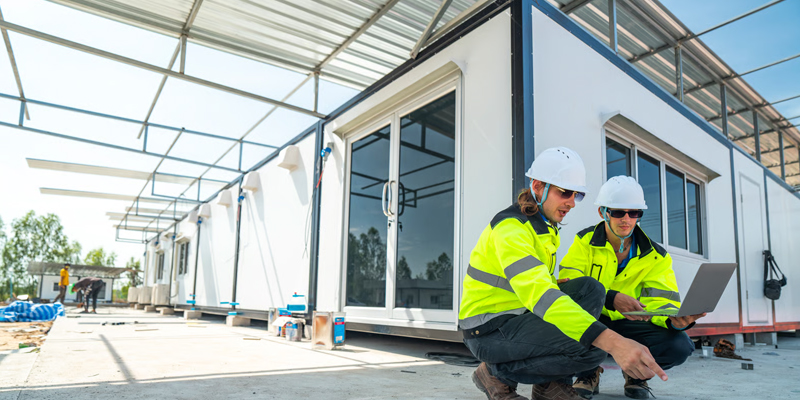
Modern prefabricated construction allows many building components to be manufactured in controlled factory environments before shipment. Structural components, insulation systems, interior finishes, and integrated building elements are prepared before leaving the factory, reducing the amount of work required at the project site.

What Happens Before Shipping?
Before containers are loaded, every project typically follows a structured workflow to improve transportation efficiency and support smooth project execution.
- Manufacturing according to approved project drawings.
- Dimensional inspection and assembly verification.
- Cleaning and protection of finished surfaces.
- Packing structural members and accessories for transportation.
- Container loading based on logistics planning.
- Preparation of shipping documentation for international delivery.
Proper packaging and loading plans help maximize container space while protecting building components during transit.
Why Factory Prefabrication Supports International Projects
Factory production enables building elements to be manufactured under consistent working conditions before transportation. Compared with completing every construction activity on site, prefabrication allows more processes to be completed before shipment.
- Consistent manufacturing procedures
- Integrated production of structural and enclosure components
- Reduced on-site material handling
- Simplified logistics planning for overseas destinations
- Improved coordination between manufacturing and installation schedules
Typical Shipping Workflow for Custom Prefab Houses
| Stage | Primary Activity | Objective |
|---|---|---|
| Design Review | Project drawing confirmation | Coordinate production requirements |
| Factory Production | Manufacturing structural components | Prepare modules for assembly |
| Inspection | Dimensional and appearance checks | Confirm production consistency |
| Packing | Protective packaging and labeling | Support transportation |
| Container Loading | Logistics arrangement | Optimize shipping organization |
| Overseas Delivery | Project site transportation | Prepare for on-site installation |
About Suzhou Taimao Integrated Housing Co., Ltd.
Suzhou Taimao Integrated Housing Co., Ltd. specializes in delivering globally certified modular building solutions, offering industry-leading modular design, proprietary manufacturing technologies, and end-to-end digital software support. The company focuses on accelerating project timelines, improving operational efficiency, reducing environmental impact, and maintaining high standards for quality and safety throughout the manufacturing process.
Its flagship SIP (Structural Insulated Panel) modular building system integrates structural framing, insulation, mechanical, electrical and plumbing systems, HVAC, interior finishes, and smart home technologies into a unified modular solution. By transferring much of the construction and finishing work from project sites into controlled factory environments, the system supports efficient project organization and streamlined installation.
After prefabricated modules arrive at the project location, on-site assembly can be completed within a significantly shorter construction schedule compared with traditional site-built workflows, depending on project scope and local conditions.

Applications of Overseas Modular Building Projects
- Residential housing developments
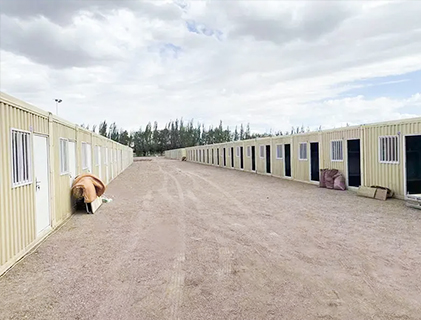
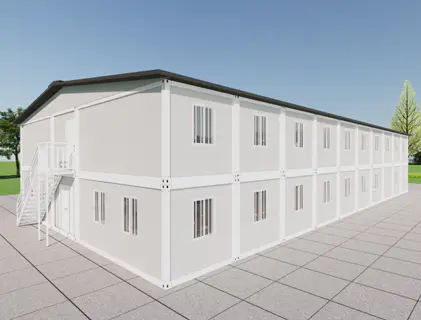
- Construction site accommodation
- Commercial office facilities
- Educational buildings
- Healthcare support facilities
- Tourism and hospitality projects
- Remote workforce accommodation
FAQ
| Question | Answer |
| How are prefab houses prepared for overseas shipping? | Modules are inspected, protected with suitable packaging materials, labeled, and arranged according to the transportation plan before container loading. |
| Can layouts be customized? | Yes. Building layouts, dimensions, interior configurations, and functional spaces can be developed according to project requirements. |
| What building components are typically prefabricated? | Depending on project specifications, structural elements, insulation systems, wall panels, interior finishes, and selected building systems may be prefabricated before shipment. |
| Are modular buildings suitable for different climates? | Project configurations can be designed according to local environmental conditions, applicable regulations, and project requirements. |
| What happens after the shipment arrives? | After unloading, modules are assembled according to the project installation plan and local construction procedures. |
For exclusive deals and latest offers, sign up by entering your email address below.

-
TEL:+86 18762912902
-
Email:cntaimao@163.com
-
WhatsApp:
-
Add:Group 5, Cao Village, Zhenze Town, Suzhou, Jiangsu, China
Copyright © Suzhou Taimao Integrated Housing Co., Ltd.
All Rights Reserved.
 Wholesale movable homes for sale
custom built modular homes
Wholesale movable homes for sale
custom built modular homes