


 EN
EN
 русский
 Español
 عربى
عربى Français
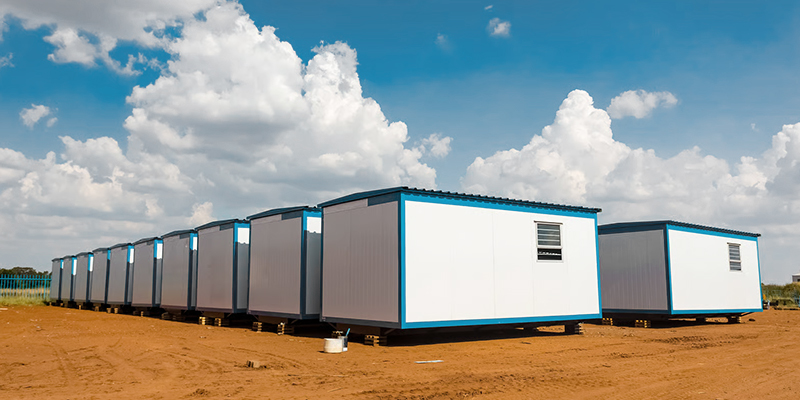
Bulk modular containers loaded for international customers.
Admin 2026-08-01Content
- 1 Bulk Modular Containers Loaded for International Customers
- 2 How Modular Buildings Are Prepared Before Shipping
- 3 Container Loading Workflow
- 4 Typical Components Included in Bulk Shipments
- 5
- 6 Advantages of Bulk Modular Container Shipments
- 7 About Suzhou Taimao Integrated Housing Co., Ltd.
- 8 Frequently Asked Questions
Bulk Modular Containers Loaded for International Customers
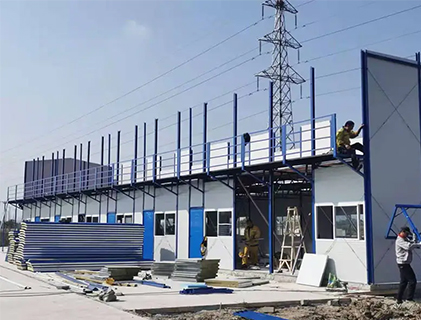
International shipments of modular buildings require careful coordination between manufacturing, packaging, logistics planning, and on-site installation schedules. When bulk modular containers are loaded for overseas customers, every stage is organized to support efficient transportation while protecting prefabricated building components throughout the shipping process.
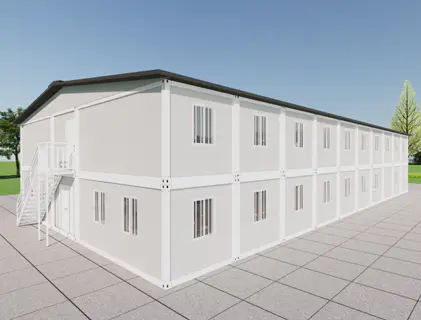
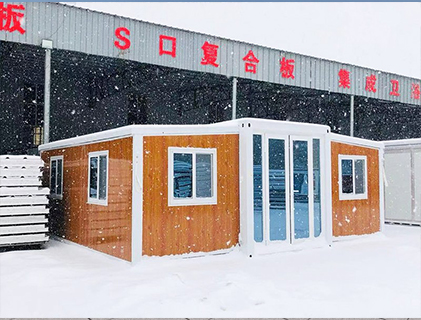
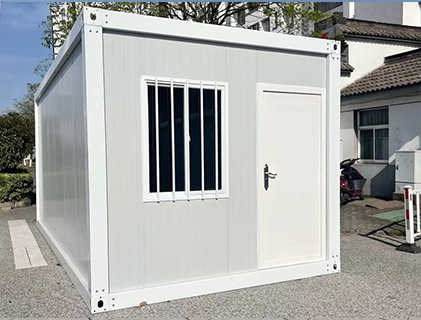
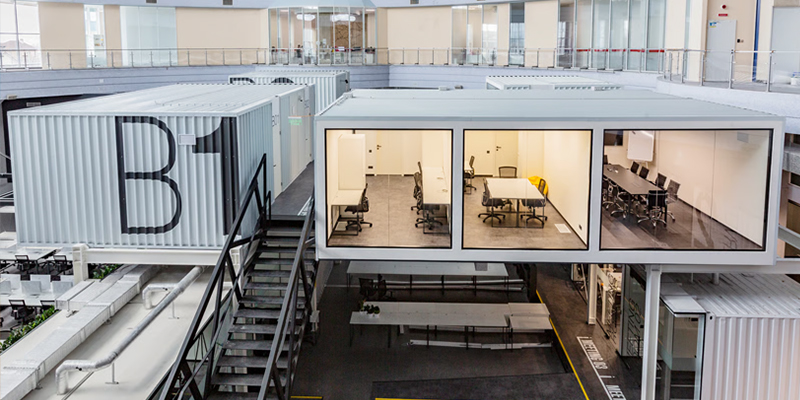
Unlike conventional construction materials that arrive separately and require extensive on-site processing, modular building systems are manufactured in controlled factory environments before transportation. This approach allows structural elements, insulation, interior finishes, and utility preparations to be completed before shipment, reducing the amount of work required after delivery.
Bulk container loading focuses on maximizing transportation efficiency while maintaining component protection during long-distance international logistics.

How Modular Buildings Are Prepared Before Shipping
Factory Manufacturing
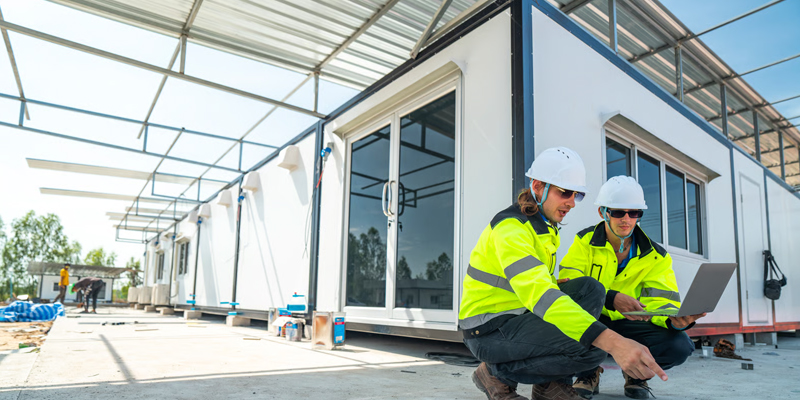
Production begins with precision fabrication of wall panels, roof systems, floor structures, steel frames, insulation components, doors, windows, and interior finishing materials. Manufacturing under controlled conditions helps maintain consistent dimensions throughout production.
Quality Inspection
- Dimensional verification
- Structural component inspection
- Surface finish examination
- Component identification and labeling
- Packaging verification before loading
Protective Packaging
Components are organized according to installation sequences and protected with suitable packaging materials to reduce movement during transportation. Clearly labeled packages also simplify unloading and project site management.
Container Loading Workflow
- Confirm shipment documentation and project inventory.
- Arrange components according to loading priorities.
- Position heavy structural parts to optimize weight distribution.
- Secure components using appropriate fastening methods.
- Complete final inspection before container sealing.
Proper loading plans can help improve container space utilization while supporting safe transportation across international shipping routes.
Typical Components Included in Bulk Shipments
| Component | Purpose | Factory Preparation |
|---|---|---|
| Structural Frame | Primary support | Fabricated and inspected |
| Wall Panels | Building enclosure | Finished and packaged |
| Roof System | Weather protection | Prepared for assembly |
| Doors & Windows | Building access | Protected for transport |
| Interior Materials | Finishing | Sorted by installation sequence |

Advantages of Bulk Modular Container Shipments
- Factory-completed components reduce on-site processing requirements.
- Organized packaging simplifies unloading and inventory management.
- Prefabricated systems support predictable project scheduling.
- Standardized manufacturing improves consistency across multiple modules.
- Bulk loading allows multiple modular units and accessories to be transported within coordinated international shipments.
About Suzhou Taimao Integrated Housing Co., Ltd.
Suzhou Taimao Integrated Housing Co., Ltd. specializes in delivering globally certified modular building solutions, offering industry-leading modular design, proprietary manufacturing technologies, and end-to-end digital software support. The company focuses on helping customers accelerate project schedules, improve operational efficiency, reduce environmental impact, and maintain high standards for quality and safety.
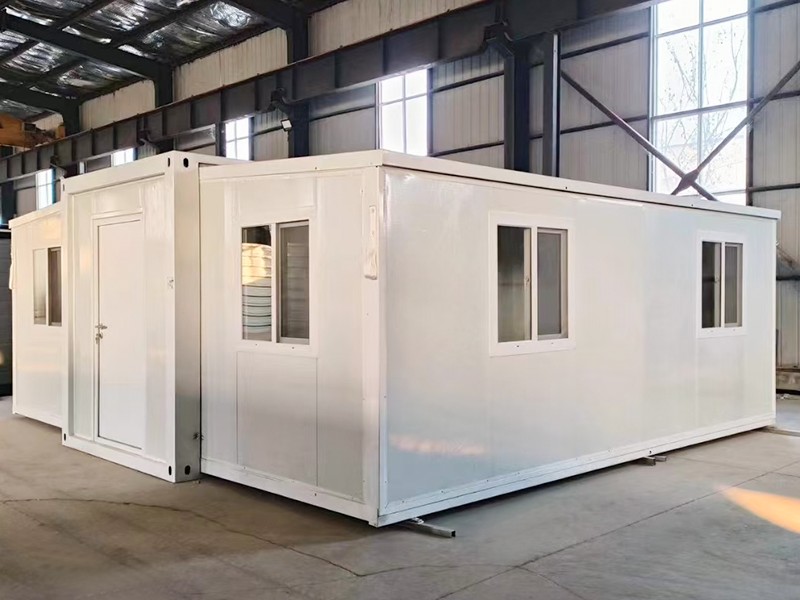
Its flagship SIP (Structural Insulated Panel) modular building system integrates structural components, insulation, mechanical, electrical and plumbing systems, HVAC, interior finishes, and smart home technologies into one coordinated building solution. By transferring much of the construction and finishing work into factory-controlled environments, the modular production process supports efficient project execution.
After prefabricated modules arrive at the project location, on-site assembly can be completed significantly faster than traditional construction methods because major building elements have already been manufactured and prepared before shipment.
Frequently Asked Questions
| Q1. Why are modular buildings suitable for international shipping? |
| Factory-produced components can be packaged systematically, allowing transportation by standard international containers while supporting organized installation after arrival. |
| Q2. What inspections are typically completed before shipment? |
| Manufacturers commonly perform dimensional checks, structural inspections, packaging verification, and inventory confirmation before containers are sealed. |
| Q3. Can multiple building units be shipped together? |
| Depending on project size and module dimensions, multiple modular units and related accessories may be organized into coordinated container shipments. |
| Q4. What is the role of factory prefabrication? |
| Prefabrication transfers much of the structural fabrication and interior preparation from the project site to the factory, helping streamline later installation activities. |
| Q5. How are components organized after arrival? |
| Components are generally labeled according to installation sequences, allowing project teams to identify and position materials more efficiently during assembly. |
For exclusive deals and latest offers, sign up by entering your email address below.

-
TEL:+86 18762912902
-
Email:cntaimao@163.com
-
WhatsApp:
-
Add:Group 5, Cao Village, Zhenze Town, Suzhou, Jiangsu, China
Copyright © Suzhou Taimao Integrated Housing Co., Ltd.
All Rights Reserved.
 Wholesale movable homes for sale
custom built modular homes
Wholesale movable homes for sale
custom built modular homes