



 EN
EN
 русский
 Español
 عربى
عربى Français
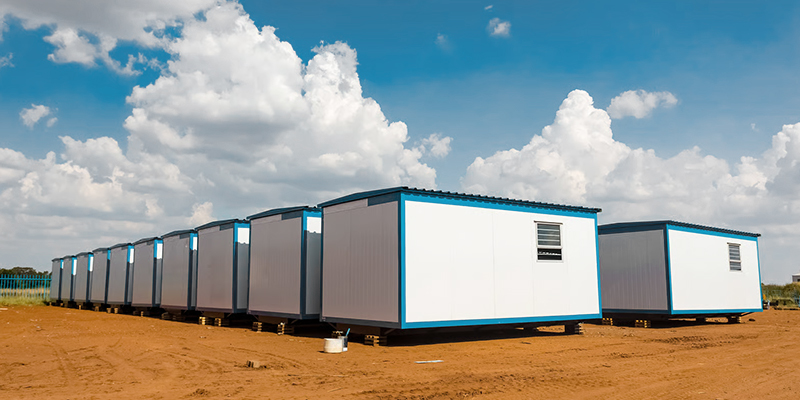
Ocean freight arranged, container houses shipped abroad.
Admin 2026-08-06Content
- 1 Ocean Freight Arranged – Container Houses Shipped Abroad
- 2 The SIP Modular System – Engineering for Export
- 3 Arranging Ocean Freight – Logistics and Coordination
- 4 Protecting Modules During Ocean Transit
- 5 Once at the Destination – Rapid Assembly on Site
- 6 stainability Across the Supply Chain
- 7 Quality Assurance at Every Stage
- 8 Typical Shipping Specifications for Container Houses
- 9 Frequently Asked Questions
- 9.1 How is ocean freight arranged for container houses?
- 9.2 What protections are in place during shipping?
- 9.3 How long does ocean transit typically take?
- 9.4 Can multiple modules be shipped in one container?
- 9.5 Are the modules insured during shipping?
- 9.6 What happens if a module is damaged during transit?
- 9.7 Does Suzhou Taimao provide on-site assembly support overseas?
Ocean Freight Arranged – Container Houses Shipped Abroad
With ocean freight secured and shipping schedules confirmed, a new batch of container houses departs from the port, destined for overseas clients. This milestone marks the transition from factory production to global delivery, where carefully engineered modular homes begin their journey across the seas. For Suzhou Taimao Integrated Housing Co., Ltd., each shipment represents the successful coordination of manufacturing, logistics, and quality assurance.
Suzhou Taimao Integrated Housing Co., Ltd. specializes in delivering globally certified modular building solutions, offering industry-leading modular design, proprietary manufacturing technologies, and end-to-end digital software support. The company's mission is to accelerate project timelines, boost operational efficiency, minimize ecological impact, and uphold uncompromising standards of quality and safety.
The SIP Modular System – Engineering for Export
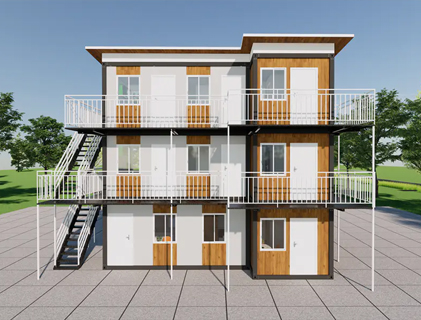
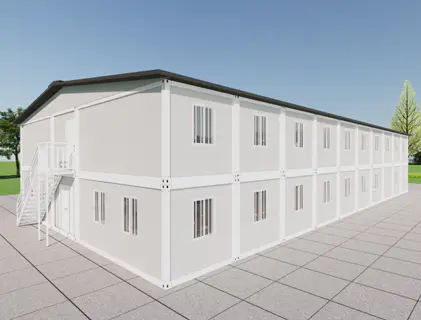
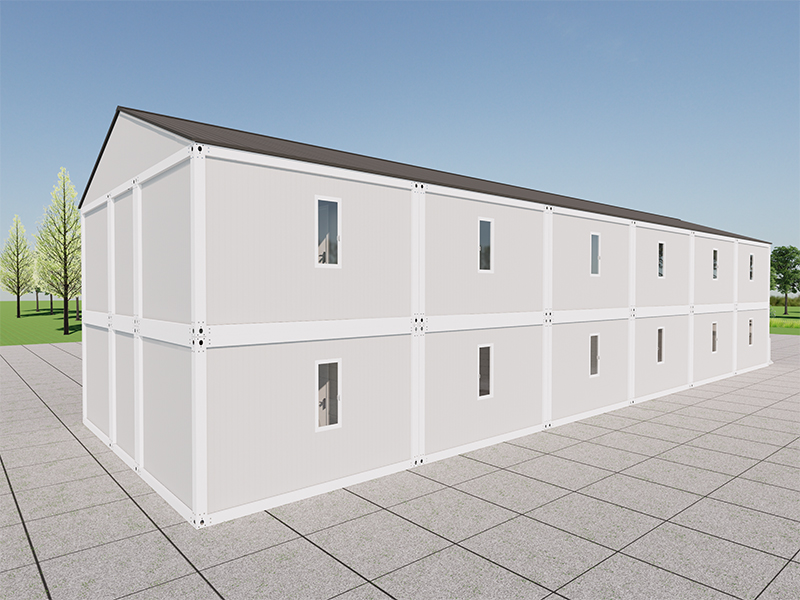
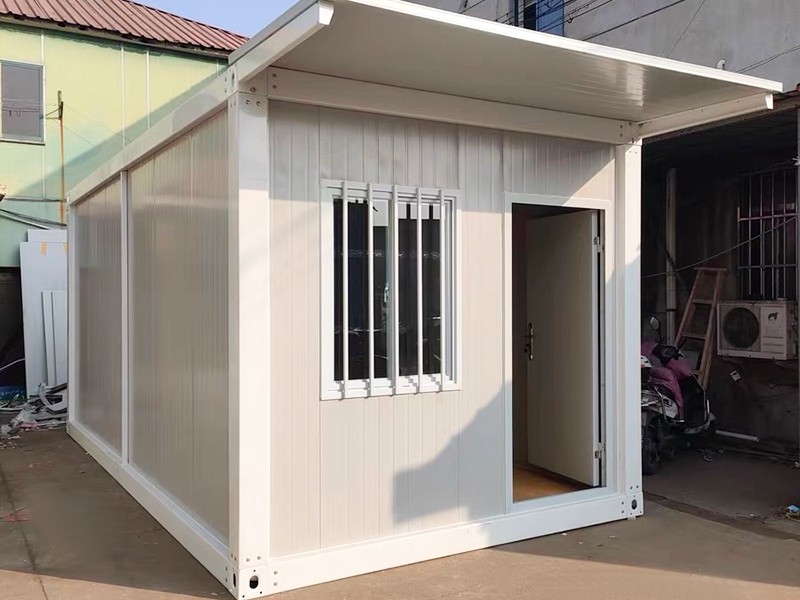
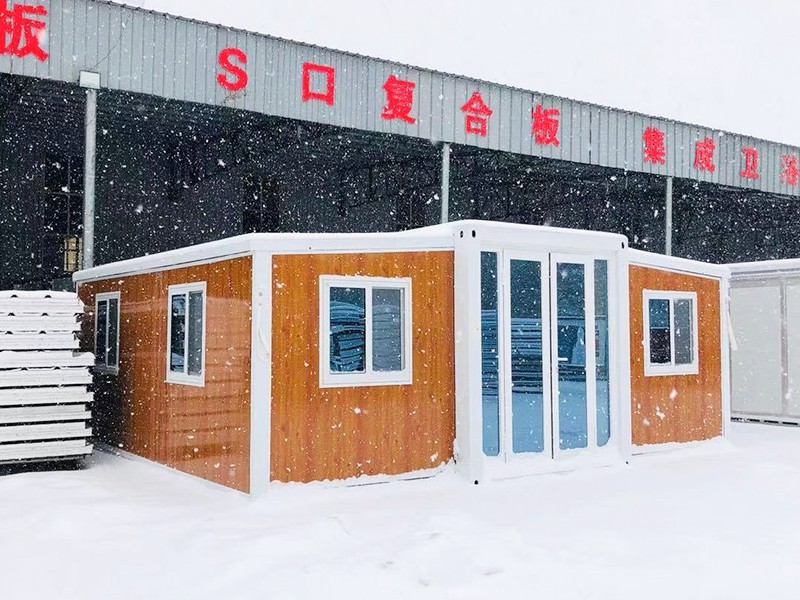
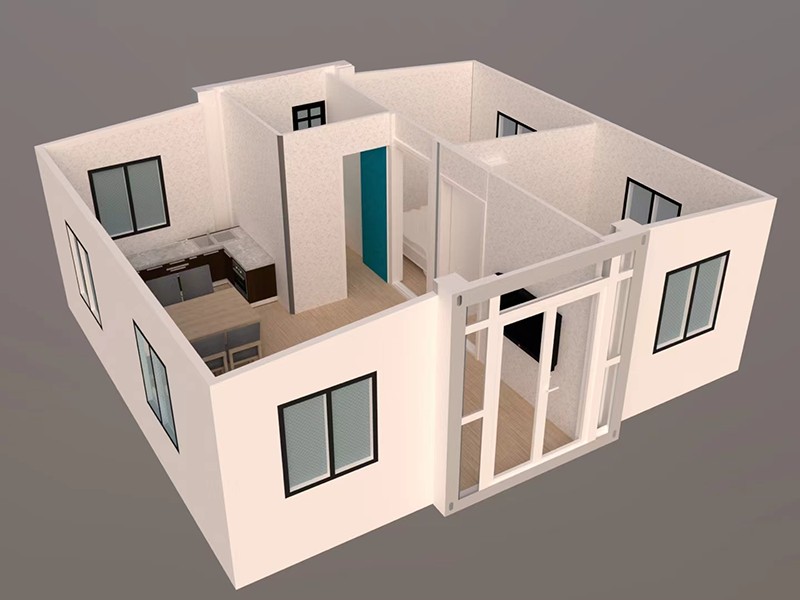
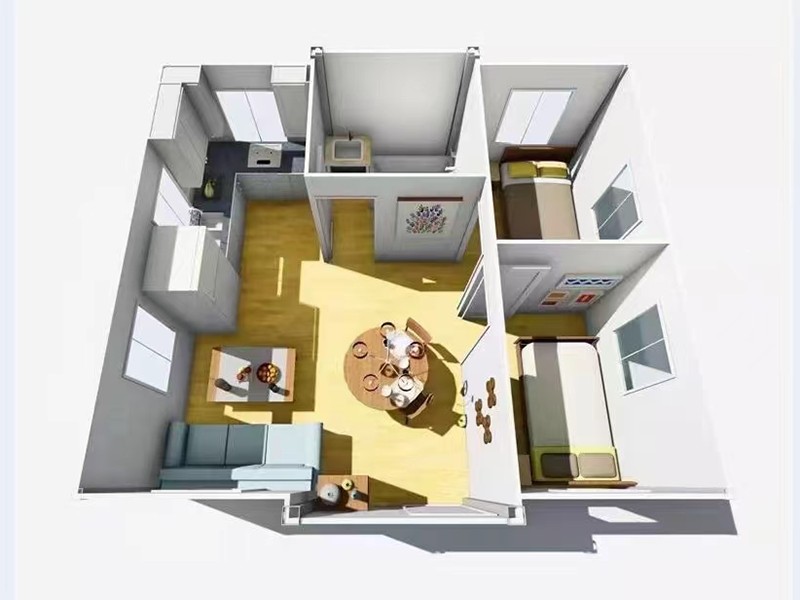
Every container house shipped abroad is built using the flagship SIP (Structural Insulated Panel) modular building system. This integrated system combines structure, insulation, MEP (mechanical, electrical, plumbing), HVAC, interior finishes, and smart home technologies into a single, unified solution. The SIP approach shifts the majority of on-site construction and finishing work to controlled factory environments, where precision and consistency are maintained.
For international shipping, SIP modules offer distinct advantages. Their high strength-to-weight ratio allows for efficient container loading without compromising structural integrity. The panels' inherent insulation properties also help protect internal finishes from temperature fluctuations during the voyage. Factory assembly ensures that all components are properly sealed and secured, reducing the risk of damage from vibration or handling.
Arranging Ocean Freight – Logistics and Coordination
Arranging ocean freight for container houses involves a series of coordinated steps, from booking vessel space to completing customs documentation. The process is designed to ensure that modules depart on time and arrive at their destination as scheduled.
- Vessel booking – Based on the shipment volume and destination, appropriate vessels are selected with reliable shipping lines.
- Documentation preparation – Bills of lading, packing lists, certificates of origin, and inspection reports are compiled for customs clearance.
- Container loading – Modules are loaded into containers at the factory yard, with careful bracing and sealing to prevent movement.
- Port delivery – Containers are transported to the port and handed over to the shipping agent for vessel loading.
The company's logistics team tracks each shipment from factory to destination port, providing clients with regular updates on vessel position and estimated arrival. This transparency helps overseas clients plan their on-site preparations accordingly.

Protecting Modules During Ocean Transit
Ocean voyages expose cargo to a range of environmental factors, including humidity, salt spray, and dynamic forces from wave motion. Suzhou Taimao implements several protective measures to safeguard the container houses during transit.
- Waterproof wrapping – Modules are covered with heavy-duty polyethylene sheeting to repel moisture and salt.
- Edge protection – Corner guards and foam padding are applied to vulnerable areas to prevent abrasion.
- Internal bracing – Timber frames and inflatable dunnage bags are used to immobilize the module within the container.
- Desiccants – Moisture-absorbing packets are placed inside the container to control humidity during the voyage.
These precautions are based on industry best practices and are adapted to the specific route and season. The goal is to deliver modules in the same condition as when they left the factory, ready for immediate on-site assembly.
Once at the Destination – Rapid Assembly on Site
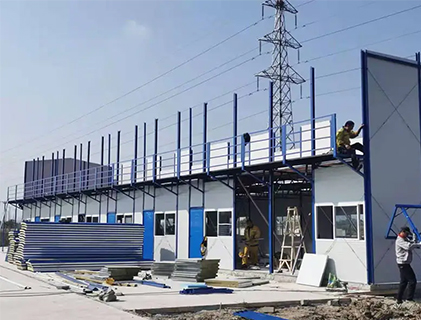
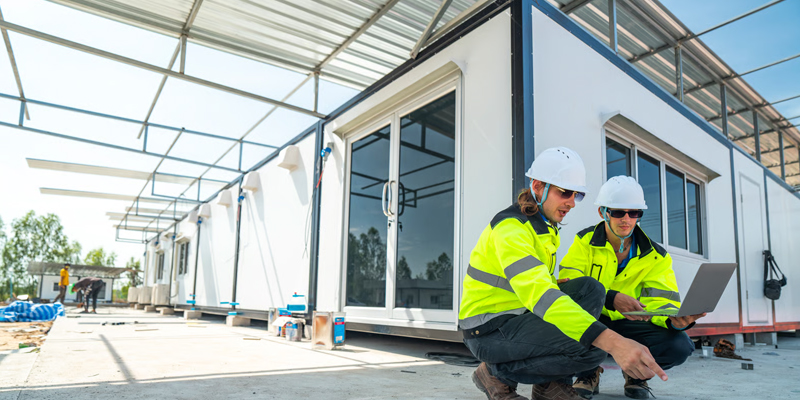
Upon arrival at the destination port, containers are cleared through customs and trucked to the project site. The modular nature of the SIP system enables rapid on-site assembly—once prefabricated modules are shipped to the project site, on-site assembly can be completed in just days or even hours.
The assembly process is streamlined:
- Containers are positioned at the building footprint.
- Modules are lifted from containers and placed on foundations.
- Inter-module connections—structural, electrical, and plumbing—are completed.
- Final sealing and finishing touches are applied, and the building is ready for occupancy.
Because all interior finishes, fixtures, and systems are factory-installed, there is no need for extensive on-site construction work. This efficiency is particularly valuable in remote locations or regions with limited local labor resources.
stainability Across the Supply Chain
Suzhou Taimao's commitment to sustainability extends from production to delivery. The company's mission includes minimizing ecological impact, and this is reflected in both the design of the modules and the logistics choices made for shipping.
- Efficient shipping – Containerization maximizes cargo density, reducing the number of vessels needed and lowering overall fuel consumption per module.
- Material optimization – SIP fabrication generates minimal waste, and offcuts are recycled within the factory.
- Energy-efficient buildings – The finished homes offer superior thermal performance, reducing operational energy use for heating and cooling.
- Durable construction – Long-lasting materials reduce the need for frequent replacements, lowering lifecycle environmental impact.
These practices align with global efforts to reduce the carbon footprint of the built environment, making SIP modular homes a responsible choice for clients and communities alike.

Quality Assurance at Every Stage
From initial design to final shipping, Suzhou Taimao applies rigorous quality assurance (QA) protocols. The company's facilities are certified by international inspection bodies, and every module is tracked through a digital quality management system.
QA checkpoints include:
- Raw material certification and incoming inspection
- In-process dimensional and functional checks
- Pre-shipment final inspection with a comprehensive checklist
- Container loading supervision and sealing verification
All inspection records are retained and can be provided to clients upon request. This transparency builds trust and ensures that any issues are identified and corrected before shipment.
Typical Shipping Specifications for Container Houses
The following table outlines typical shipping parameters for Suzhou Taimao's export container houses. These values are based on standard configurations and may vary depending on module design and destination requirements.
| Parameter | Standard Value |
|---|---|
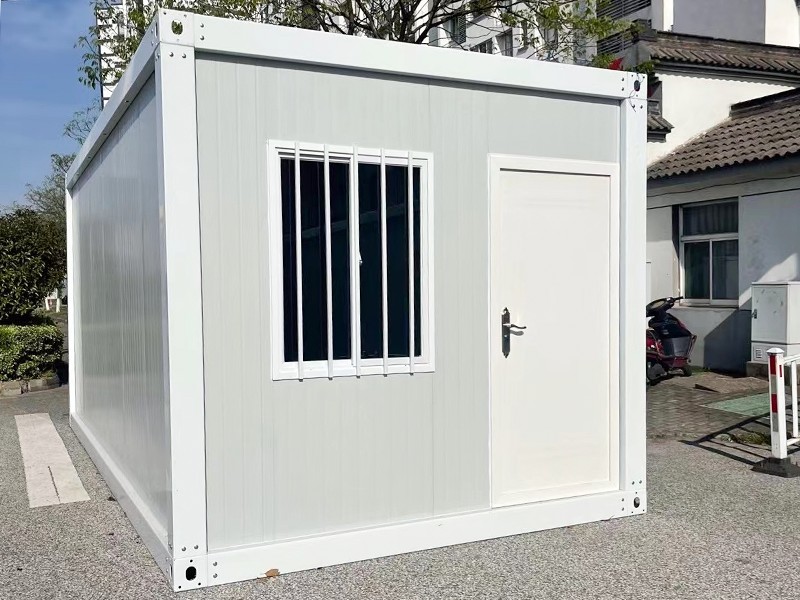
| Container type | 20ft / 40ft standard ISO container |
| Module per container (20ft) | 1 module |
| Module per container (40ft) | 1 module (larger) or 2 smaller modules |
| Module weight (20ft) | ~2,500 – 3,500 kg |
| Module weight (40ft) | ~4,500 – 6,500 kg |
| Shipping protection | PE film wrap + edge guards + internal bracing |
| Documentation provided | Bill of lading, packing list, inspection certificates |
Frequently Asked Questions
How is ocean freight arranged for container houses?
Ocean freight is arranged by booking vessel space with shipping lines, preparing export documentation, and coordinating container transport to the port. Suzhou Taimao's logistics team manages these steps to ensure timely departure and arrival.
What protections are in place during shipping?
Modules are wrapped in waterproof film, fitted with edge protection, and braced inside containers with timber and inflatable dunnage. Desiccants are added to control humidity. These measures minimize the risk of damage from moisture, impact, or vibration.
How long does ocean transit typically take?
Transit times vary depending on the destination and shipping route. Typical voyages range from two to six weeks. Clients receive estimated arrival dates and tracking information for their shipments.
Can multiple modules be shipped in one container?
In some cases, two smaller modules can be loaded into a 40ft container, depending on their dimensions. Standard practice is one module per container to allow proper bracing and handling.
Are the modules insured during shipping?
Clients typically arrange marine cargo insurance to cover transit risks. Suzhou Taimao can assist with documentation and provide necessary shipping details for insurance purposes.
What happens if a module is damaged during transit?
In the event of damage, clients should document the condition at delivery and file a claim with their insurance provider. Suzhou Taimao can provide replacement parts or repair guidance based on the scope of damage.
Does Suzhou Taimao provide on-site assembly support overseas?
Yes. The company offers end-to-end digital software support, including detailed assembly manuals, video guides, and remote technical assistance. Clients can also request on-site supervision for larger projects.
For exclusive deals and latest offers, sign up by entering your email address below.

-
TEL:+86 18762912902
-
Email:cntaimao@163.com
-
WhatsApp:
-
Add:Group 5, Cao Village, Zhenze Town, Suzhou, Jiangsu, China
Copyright © Suzhou Taimao Integrated Housing Co., Ltd.
All Rights Reserved.
 Wholesale movable homes for sale
custom built modular homes
Wholesale movable homes for sale
custom built modular homes