

 EN
 русский
 Español
 عربى
 Français
Multi-connected container building solution for overseas industrial parks, full container sea delivery and simple field splicing.
Admin 2026-10-11Content
- 1 Flexible Buildings for Industrial Park Development
- 2 Built on an Integrated Modular System
- 3 How Multi‑Connected Buildings Work
- 4 Full Container Sea Delivery
- 5 Simple Field Splicing
- 6 Applications in Overseas Industrial Parks
- 7 Structural and Thermal Performance
- 8 Frequently Asked Questions
- 8.1 What does "multi-connected" mean in practice?
- 8.2 Is the field splicing difficult for local workers?
- 8.3 Can the buildings be expanded after the initial installation?
- 8.4 Are the multi-connected buildings suitable for multi-story use?
- 8.5 How is weather tightness maintained at the joints between modules?
- 8.6 Can the buildings be disassembled and relocated later?
- 9 Solution Overview
- 10 Conclusion
Flexible Buildings for Industrial Park Development
Industrial parks overseas often develop in phases. Early stages may require a modest amount of accommodation, office space, and supporting facilities, while later stages may need to expand significantly as more enterprises move in and the workforce grows. Buildings that are fixed in size and layout from the outset can become a constraint, either too large during the early phase or too small as the park develops.
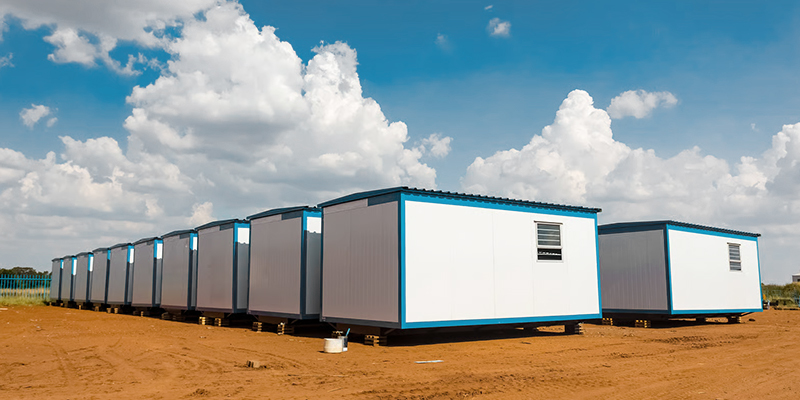
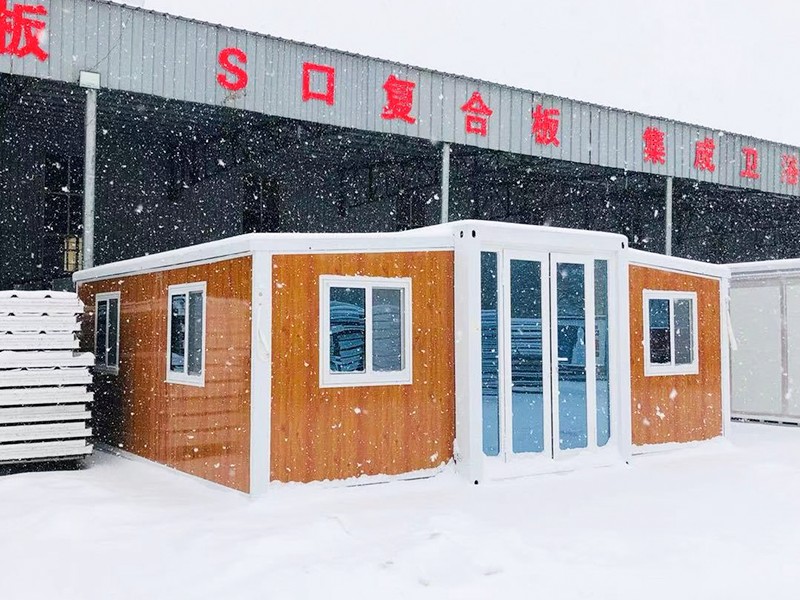
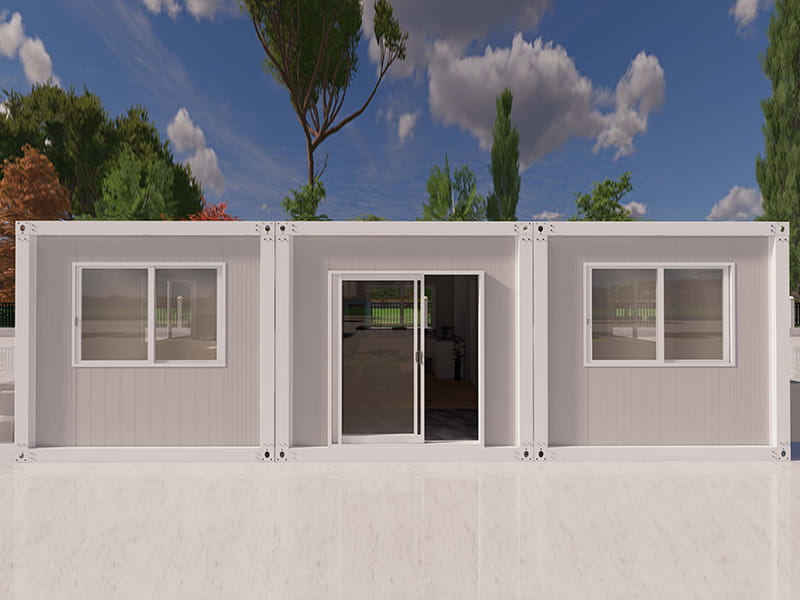
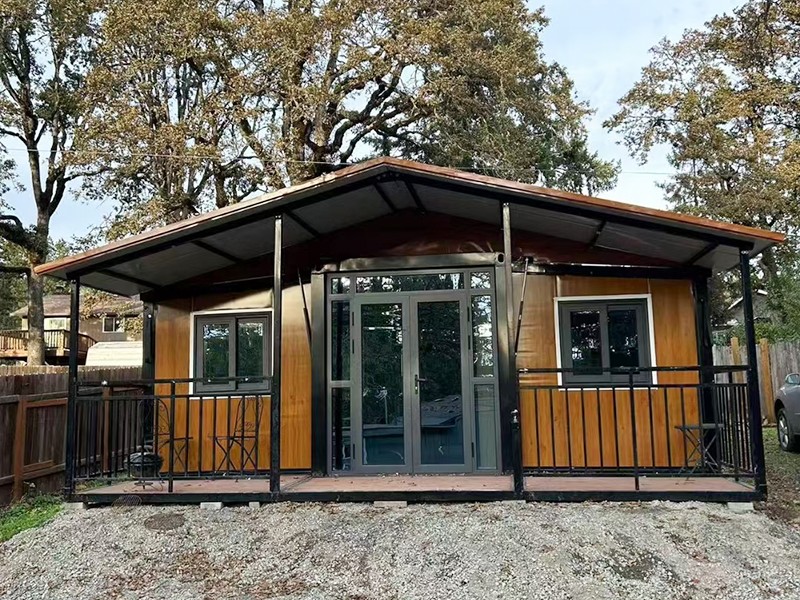
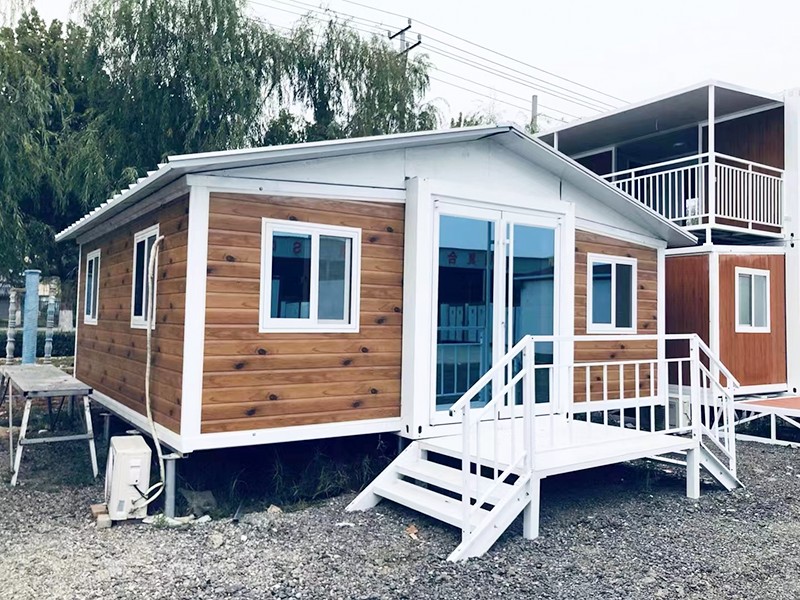
A multi-connected container building solution addresses this challenge. Individual container modules can be combined in different ways to create larger or smaller buildings, and additional modules can be added as needs change. This solution is delivered by full container sea delivery and assembled on site through simple field splicing, making it practical for overseas industrial park projects.
Built on an Integrated Modular System
Suzhou Taimao Integrated Housing Co., Ltd. specializes in delivering globally certified modular building solutions, offering industry-leading modular design, proprietary manufacturing technologies, and end-to-end digital software support. Our mission is to accelerate project timelines, boost operational efficiency, minimize ecological impact, and uphold uncompromising standards of quality and safety.
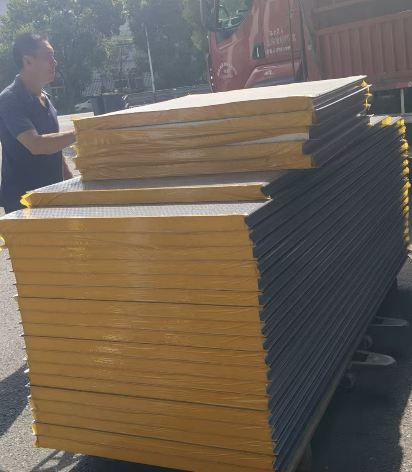
Our flagship SIP (Structural Insulated Panel) modular building system integrates structure, insulation, MEP (mechanical, electrical, plumbing), HVAC, interior finishes, and smart home technologies into a single, unified solution. This rapid assembly technology shifts the majority of on-site construction and finishing work to controlled factory environments.
Once prefabricated modules are shipped to the project site, on-site assembly can be completed in just days—or even hours. Our modular solutions are defining the future of sustainable construction.
How Multi‑Connected Buildings Work
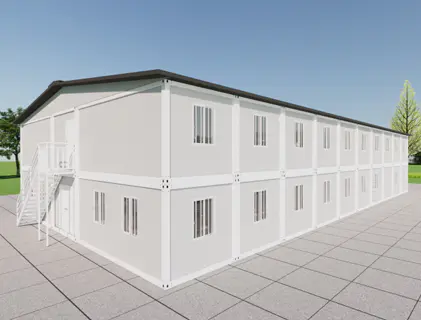
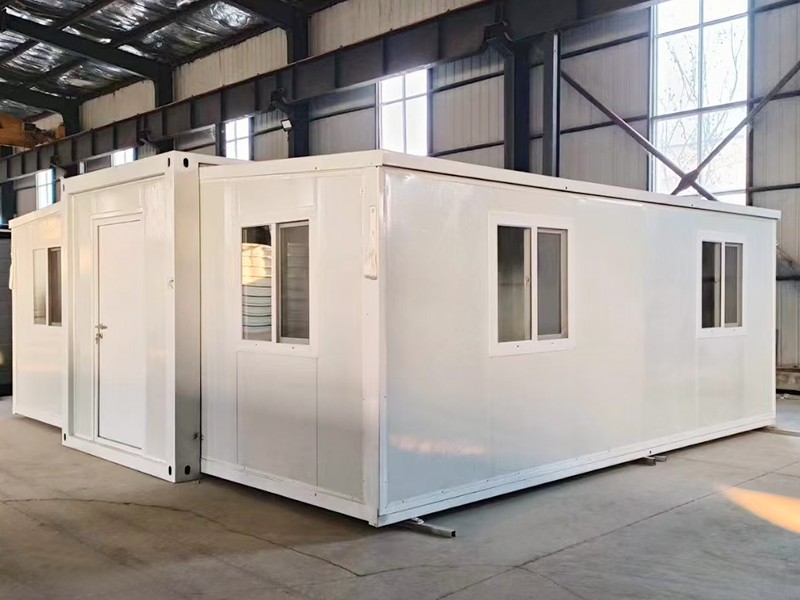
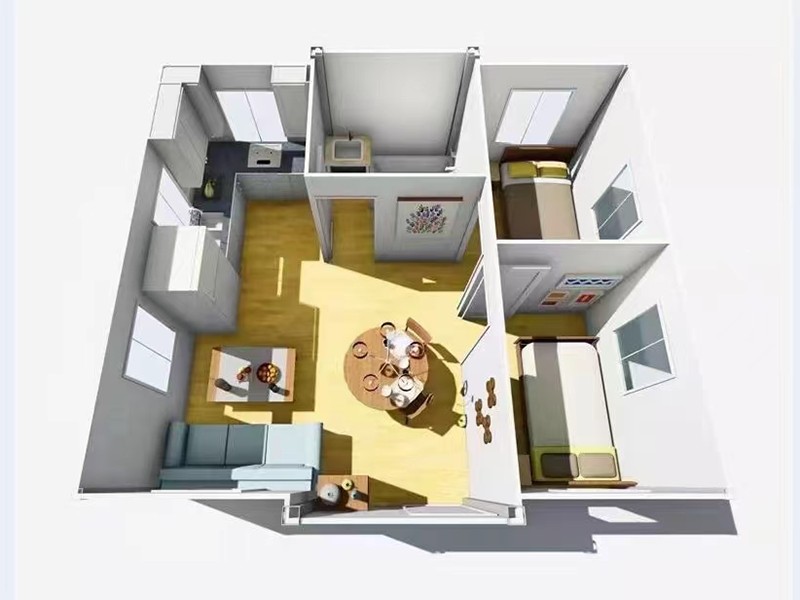
The multi-connected approach means that container modules are not used as isolated units. Instead, they are joined together to form larger, integrated buildings. The connection can be made in several ways:
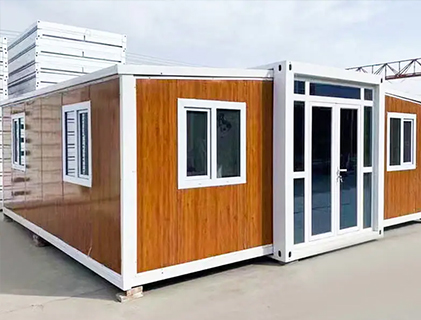
- Side-by-side connection – modules are placed next to each other, with internal openings created between them to form larger rooms or connected spaces.
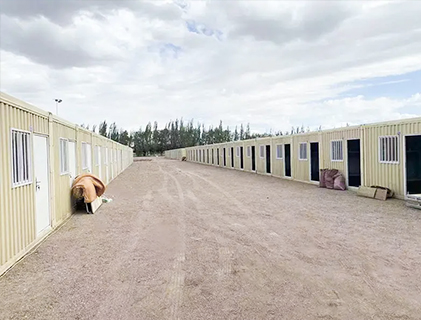
- End-to-end connection – modules are joined along their length, creating long blocks suitable for corridors, dormitory rows, or office wings.
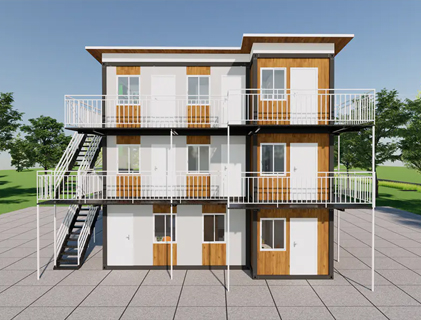
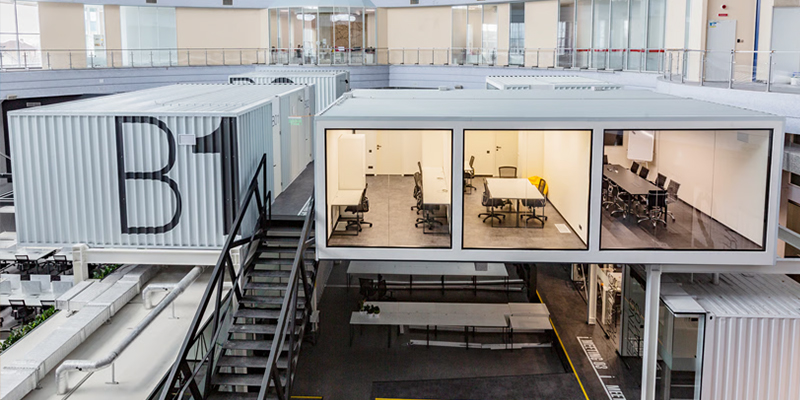
- Stacking – modules are placed on top of each other to create multi-story buildings, which is useful where land area is limited.
- Combined arrangements – a mix of side-by-side, end-to-end, and stacked modules to create complex floor plans with courtyards, wings, and interconnected zones.
The structural connections, weather sealing, and service routes between modules are designed as part of the system, so that the joined building performs as a single integrated structure.
Full Container Sea Delivery
For overseas industrial park projects, shipping efficiency is a major consideration. The multi-connected container building solution is delivered by full container sea freight, which offers several advantages:
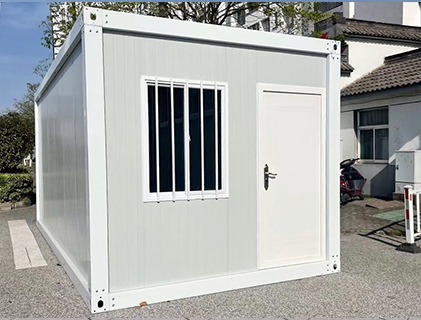
- Modules are dimensioned to fit standard shipping containers, simplifying loading and transport
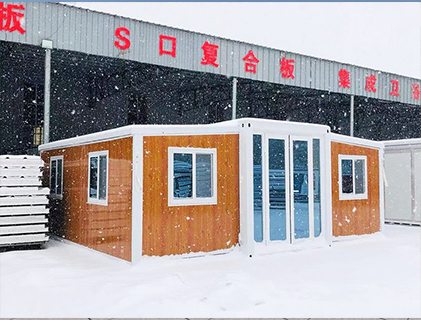
- Flat-pack options allow more components to be packed per container, reducing freight cost
- Full container loading provides protection during transit and simplifies customs documentation
- Shipments can be phased to match the park's development schedule, with additional modules delivered as needed
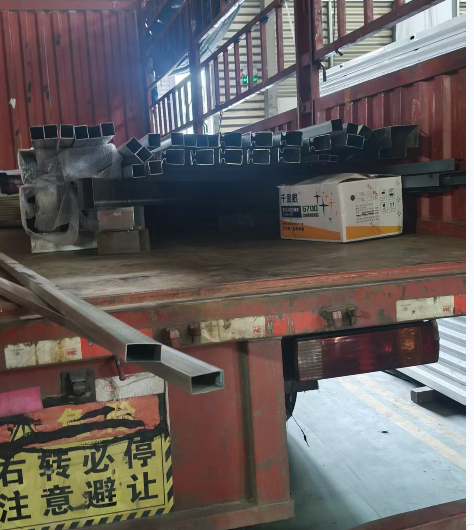
Our door-to-port delivery service manages the logistics from the factory to the destination port, and loading photos and videos are provided for reference before departure.
Simple Field Splicing
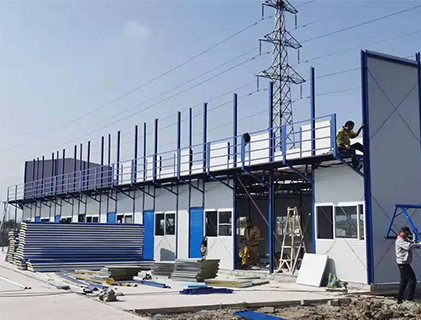
The term "simple field splicing" refers to the way modules are joined together on site. The connection process is designed to be straightforward, using bolted connections and pre-prepared interfaces rather than welding or complex on-site fabrication. Key aspects include:
- Pre-drilled connection points at the module interfaces
- Standardized structural connectors for secure joining
- Sealing gaskets and flashing details for weather tightness at the joints
- Pre-planned routing for electrical and plumbing connections between modules
- Labeled components and installation manuals to guide the assembly team
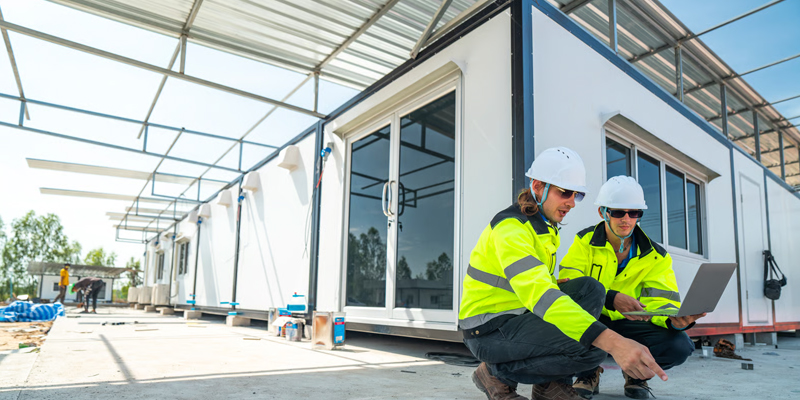
Because the splicing work is simple, it can be carried out by local crews using basic tools. This reduces the need for specialized labor and shortens the time required to bring the buildings into service.
Applications in Overseas Industrial Parks
The multi-connected container building solution can serve a wide range of functions within an industrial park:
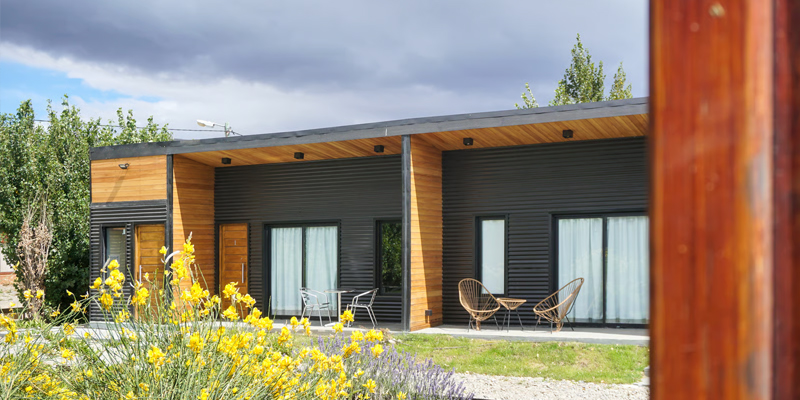
- Worker accommodation – dormitory blocks with connected rooms and shared facilities
- Administrative offices – office complexes for park management and tenant companies
- Canteens and dining halls – large integrated spaces for meal service
- Training and meeting centers – multi-room facilities for education and coordination
- Medical and welfare facilities – clinics, first-aid rooms, and recreation areas
- Storage and logistics buildings – secure connected spaces for goods and equipment
Because the buildings are modular, they can be reconfigured or expanded as the park's needs evolve, and individual modules can be relocated if the layout changes.
Structural and Thermal Performance
The multi-connected buildings use the same SIP panels and galvanized steel frames as individual container units, so the finished structures deliver comparable structural and thermal performance. The insulation core provides continuous thermal resistance across the envelope, and the connection details at module joints are designed to maintain this performance without creating thermal bridges or air leaks.
The structural design can be adapted to the local wind, snow, and seismic requirements of the project location, and multi-story configurations are engineered with appropriate reinforcement for the additional loads.
Frequently Asked Questions
What does "multi-connected" mean in practice?
It means that multiple container modules are joined together—side-by-side, end-to-end, stacked, or in combination—to form a single integrated building. Internal openings can be created to connect the spaces.
Is the field splicing difficult for local workers?
No. The splicing uses bolted connections and pre-prepared interfaces. Installation manuals guide the process, and remote guidance is available if questions arise. No welding or complex on-site fabrication is required.
Can the buildings be expanded after the initial installation?
Yes. Additional modules can be connected to the existing structure, allowing the building to grow as the industrial park develops.
Are the multi-connected buildings suitable for multi-story use?
Yes. Modules can be stacked to create multi-story buildings, with the structural design adjusted to suit the number of floors and the local loading requirements.
How is weather tightness maintained at the joints between modules?
Sealing gaskets, flashing details, and sealed connections are used at the module interfaces. The joint design is part of the modular system and is tested to maintain weather tightness.
Can the buildings be disassembled and relocated later?
Yes. The bolted connections allow the modules to be separated, transported, and reassembled at a new location, extending the useful life of the units.
Solution Overview
The table below summarizes the key features of the multi-connected container building solution for overseas industrial parks.
| Feature | Description |
|---|---|
| Structural System | SIP modular with galvanized steel frame |
| Connection Types | Side-by-side, end-to-end, stacked, combined |
| Delivery | Full container sea freight, phased if required |
| Field Splicing | Bolted connections, pre-prepared interfaces, basic tools |
| Applications | Accommodation, offices, canteens, training, medical, storage |
| Expandability | Additional modules can be connected as needed |
| Reusability | Disassemblable and relocatable |
Conclusion
A multi-connected container building solution offers a flexible and efficient way to provide accommodation, offices, and supporting facilities in overseas industrial parks. With full container sea delivery and simple field splicing, the buildings can be shipped economically and assembled quickly, and they can be expanded or reconfigured as the park develops.
Suzhou Taimao Integrated Housing Co., Ltd. brings together industry-leading modular design, proprietary manufacturing technologies, and end-to-end digital software support to deliver globally certified solutions. The SIP modular building system integrates structure, insulation, MEP, HVAC, interior finishes, and smart home technologies into a single, cohesive package.
We invite industrial park developers and contractors to contact us to discuss how multi-connected container buildings can support their project.
For exclusive deals and latest offers, sign up by entering your email address below.

-
TEL:+86 18762912902
-
Email:cntaimao@163.com
-
WhatsApp:
-
Add:Group 5, Cao Village, Zhenze Town, Suzhou, Jiangsu, China
Copyright © Suzhou Taimao Integrated Housing Co., Ltd.
All Rights Reserved.
 Wholesale movable homes for sale
custom built modular homes