

 EN
 русский
 Español
 عربى
 Français
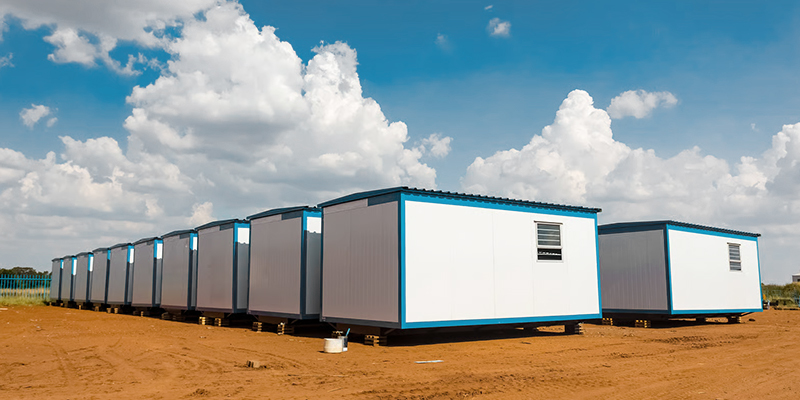
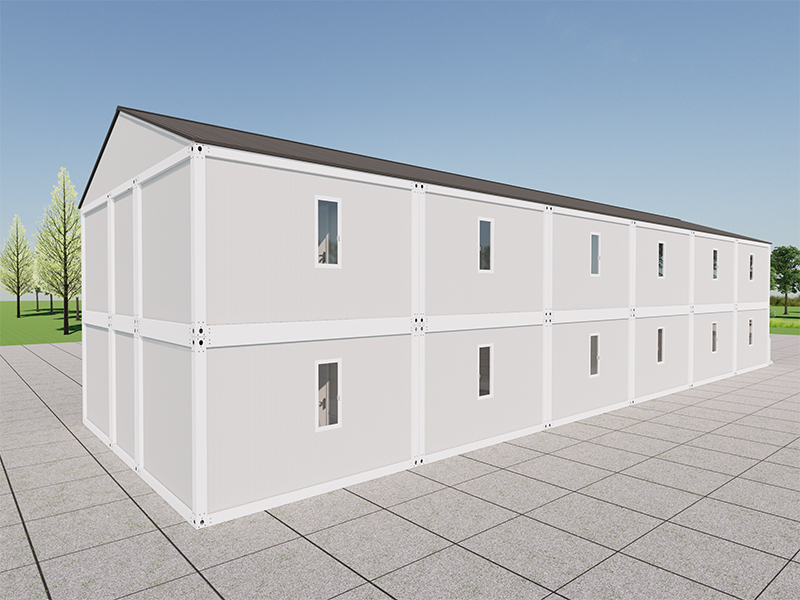
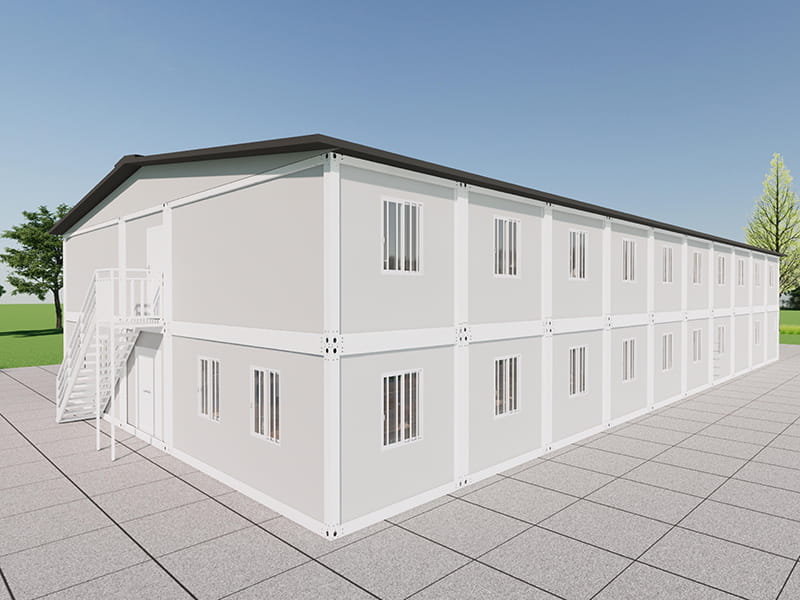
Flat pack modular houses do not require large lifting equipment for installation, easy for workers to assemble on overseas construction sites.
Admin 2026-09-22Content
- 1 Assembly Without Heavy Equipment
- 2 Engineered for Simple On‑Site Assembly
- 3 Advantages for Overseas Construction Sites
- 4 Suitable for Local Workers
- 5 Shipping Efficiency of Flat Pack Units
- 6 Applications
- 7 Frequently Asked Questions
- 7.1 Do flat pack houses require any lifting equipment at all?
- 7.2 How long does assembly take for a flat pack house?
- 7.3 Is the finished house as strong as a pre‑assembled module?
- 7.4 Do workers need special training to assemble the units?
- 7.5 How many flat pack units fit in one container?
- 7.6 Can the houses be disassembled and moved later?
- 8 Flat Pack Assembly Overview
- 9 Conclusion
Assembly Without Heavy Equipment
On many overseas construction sites, access to large lifting equipment such as cranes or heavy forklifts can be limited, expensive, or unavailable at short notice. When modular housing is delivered as fully assembled modules, the installation process depends on this equipment being on hand at the right time. Any delay in crane availability can hold up the entire accommodation program.
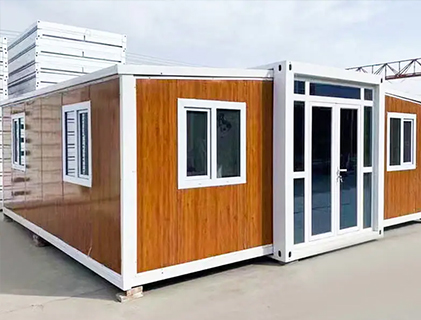
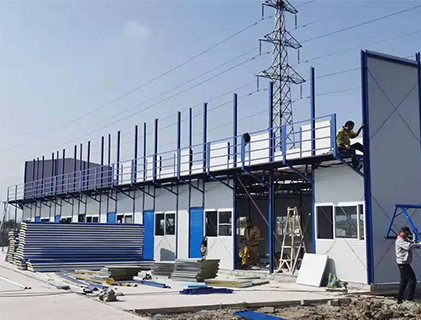
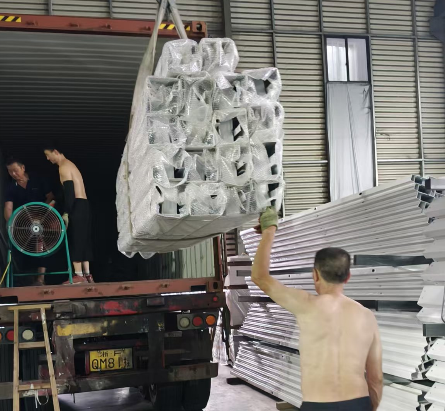
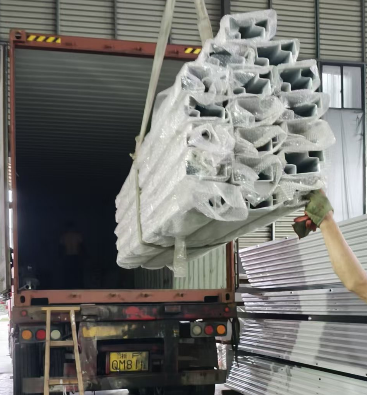
Flat pack modular houses address this constraint directly. Because the units are shipped in a disassembled, panelized form, they do not require large lifting equipment for installation. The components are light enough to be handled by a small crew using basic tools, making assembly practical on sites where heavy machinery is not readily available.
Engineered for Simple On‑Site Assembly
Suzhou Taimao Integrated Housing Co., Ltd. specializes in delivering globally certified modular building solutions. Our flagship SIP (Structural Insulated Panel) modular building system integrates structure, insulation, MEP (mechanical, electrical, plumbing), HVAC, interior finishes, and smart home technologies into a single, unified solution. This rapid assembly technology shifts the majority of on‑site construction and finishing work to controlled factory environments.
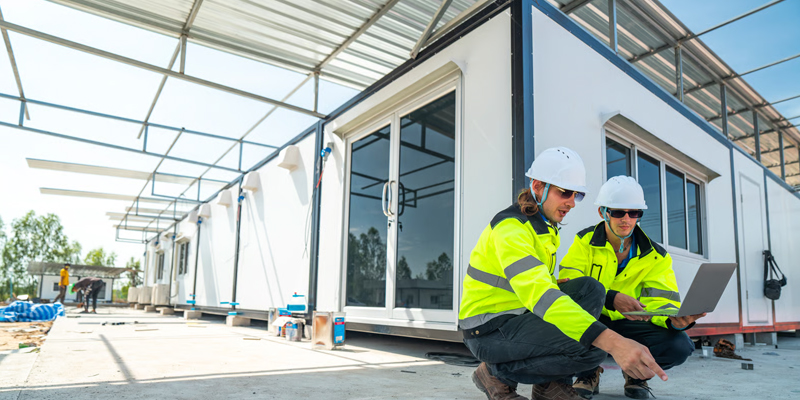
In the flat pack format, the wall panels, floor panels, roof panels, and connection components are manufactured to precise dimensions in the factory and then stacked compactly for shipping. On site, the panels are lifted into position manually or with small handling aids, and joined using bolted connections. Because the panels are pre‑cut and pre‑drilled, there is no need for on‑site measuring, cutting, or welding.
This approach reduces both the equipment requirement and the skill level needed for assembly, allowing local workers to complete the installation with guidance from our manuals.
Advantages for Overseas Construction Sites
The flat pack design offers several practical benefits for projects in remote or overseas locations:
- No crane dependency – assembly can proceed even when lifting equipment is unavailable
- Lower equipment costs – avoids the expense of hiring or transporting heavy machinery
- Flexible scheduling – installation is not tied to equipment availability windows
- Easier transport to site – flat components can be moved in standard trucks or even manually over short distances
- Reduced site disruption – smaller crews and lighter equipment mean less interference with other site activities
These factors are particularly valuable on sites where logistics are challenging or where the accommodation program is on a tight schedule.
Suitable for Local Workers
Because the assembly process relies on bolted connections and pre‑fabricated components rather than specialized construction techniques, it can be carried out by local workers who may not have prior experience with modular systems. Our installation manuals provide clear, illustrated instructions for each stage, and our after‑sales team offers remote guidance if questions arise.
A typical flat pack unit can be assembled by a small team within a few days. Larger buildings made from multiple units can be completed incrementally, with each unit added as the team becomes more familiar with the process.
This accessibility helps projects avoid the need to bring in specialist assembly crews from elsewhere, which can add cost and logistical complexity.
Shipping Efficiency of Flat Pack Units
In addition to simplifying installation, the flat pack format improves shipping efficiency. More units can be packed into a single shipping container compared to fully assembled modules, which reduces the number of containers required and lowers the sea freight cost per unit.
The compact packing also reduces the risk of damage during transit, as the components are stacked tightly and protected by packaging materials. Upon arrival, the components are unloaded and sorted according to the installation sequence, so that assembly can proceed in an organized manner.
This combination of shipping efficiency and installation simplicity makes flat pack modular houses a practical choice for overseas projects of various scales.
Applications
Flat pack modular houses are used in a wide range of overseas applications, including:
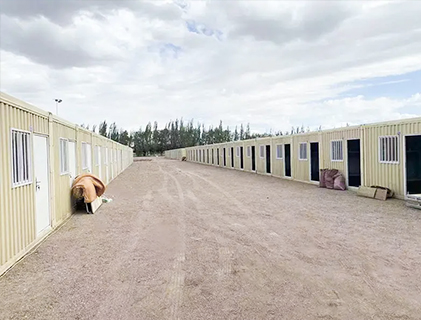
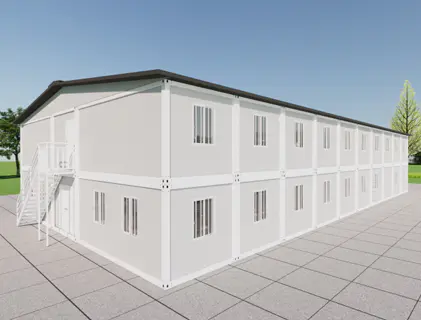
- Worker accommodation – for construction, mining, and infrastructure projects in remote areas
- Site offices and facilities – where quick setup is needed without heavy equipment
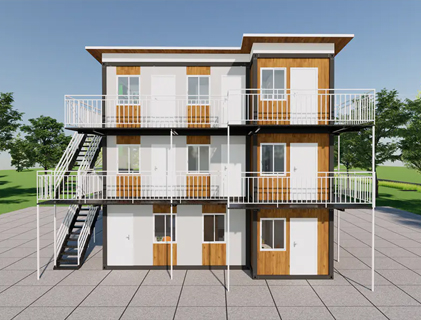
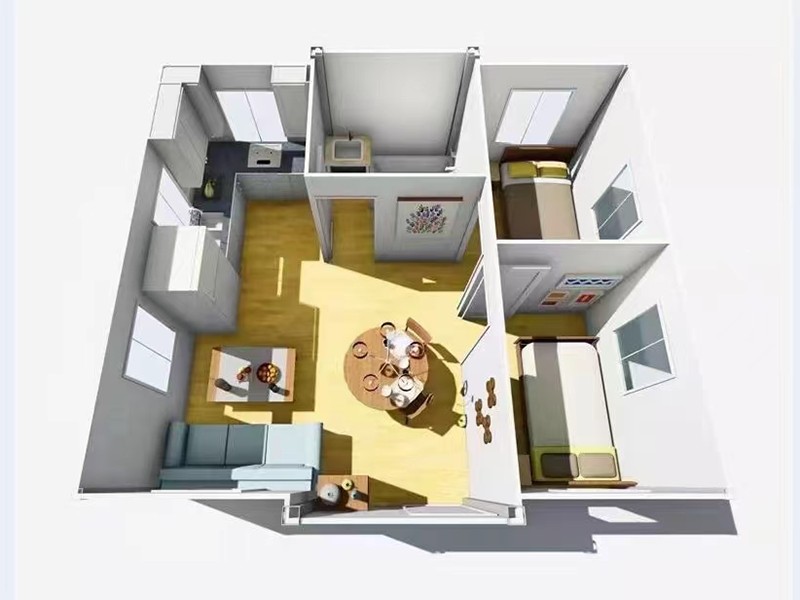
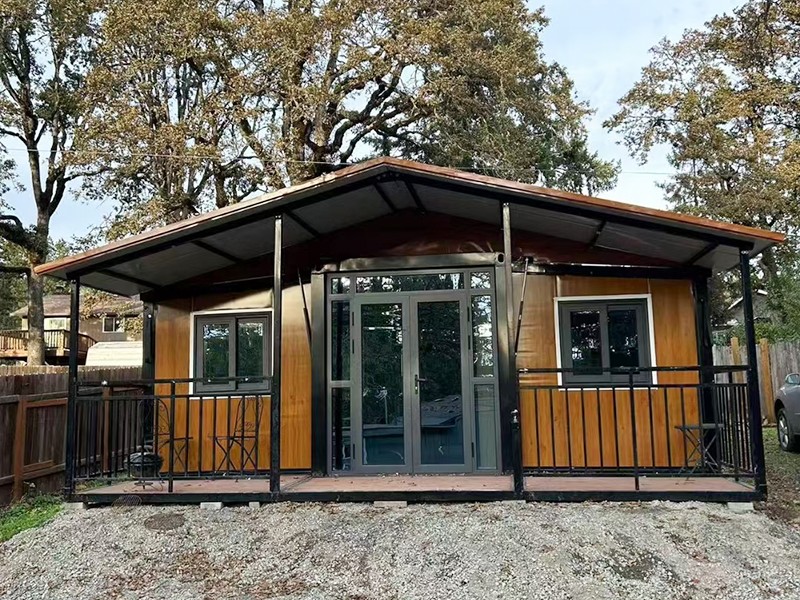
- Residential and commercial buildings – in locations where access for large machinery is limited
- Emergency and relief housing – where rapid deployment is essential
In each of these contexts, the ability to assemble without large lifting equipment expands the range of sites where the buildings can be deployed.
Frequently Asked Questions
Do flat pack houses require any lifting equipment at all?
Small handling aids such as manual lifts or simple hoists may be useful for positioning larger panels, but heavy cranes or forklifts are not required. Most components can be handled by a small crew.
How long does assembly take for a flat pack house?
A typical unit can be assembled in a few days by a small team. Larger buildings take longer, depending on the number of units and the crew's familiarity with the process.
Is the finished house as strong as a pre‑assembled module?
Yes. The same structural panels and connection systems are used. Once assembled, the structural integrity is equivalent to units shipped fully assembled.
Do workers need special training to assemble the units?
No specialized training is required. The installation manual provides step‑by‑step instructions, and remote guidance is available if needed.
How many flat pack units fit in one container?
The number depends on the unit size and configuration. Flat packing typically allows significantly more units per container than pre‑assembled shipping.
Can the houses be disassembled and moved later?
Yes. The bolted connections allow the units to be disassembled, transported, and reassembled at a new location, extending their useful life.
Flat Pack Assembly Overview
The table below summarizes the key features of flat pack modular houses for overseas sites.
| Feature | Description |
|---|---|
| Shipping Format | Flat pack, compact stacking |
| Lifting Equipment | Not required for installation |
| Assembly Method | Bolted connections, pre‑cut panels |
| Crew Size | Small team, no specialist skills required |
| Assembly Time | A few days for a typical unit |
| Reusability | Can be disassembled and relocated |
Conclusion
Flat pack modular houses remove the dependency on large lifting equipment, making installation practical on overseas construction sites where heavy machinery may not be available. The pre‑fabricated panels and bolted connections allow local workers to assemble the units efficiently, while the compact shipping format improves container utilization.
Suzhou Taimao Integrated Housing Co., Ltd. brings together industry‑leading modular design, proprietary manufacturing technologies, and end‑to‑end digital software support to deliver globally certified solutions. Our mission is to accelerate project timelines, boost operational efficiency, minimize ecological impact, and uphold uncompromising standards of quality and safety. The SIP modular building system exemplifies this commitment, providing a unified platform that integrates structure, insulation, MEP, HVAC, interior finishes, and smart home technologies into a single, cohesive package.
We invite project managers and contractors to contact us to discuss how flat pack modular houses can support their accommodation and facility needs.
For exclusive deals and latest offers, sign up by entering your email address below.

-
TEL:+86 18762912902
-
Email:cntaimao@163.com
-
WhatsApp:
-
Add:Group 5, Cao Village, Zhenze Town, Suzhou, Jiangsu, China
Copyright © Suzhou Taimao Integrated Housing Co., Ltd.
All Rights Reserved.
 Wholesale movable homes for sale
custom built modular homes