

 EN
 русский
 Español
 عربى
 Français
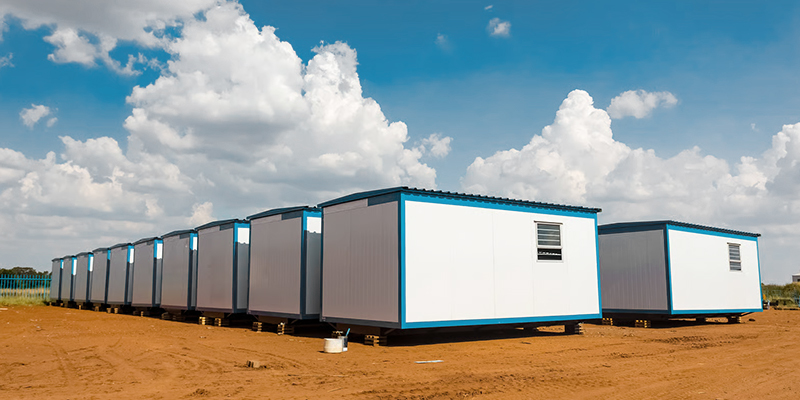
We design heavy-duty container houses for outdoor long-term use, thick steel frames to bear harsh weather conditions in remote overseas areas.
Admin 2026-10-02Content
- 1 Meeting the Demand for Durable Remote Housing
- 2 Built on an Integrated Modular System
- 3 Heavy-Duty Structural Design
- 4 Weather Resistance for Long-Term Outdoor Use
- 5 Adapting to Remote Overseas Locations
- 6 Applications for Heavy-Duty Container Houses
- 7 Frequently Asked Questions
- 8 Technical Overview
- 9 Conclusion
Meeting the Demand for Durable Remote Housing
Remote overseas areas present some of the most challenging conditions for any building. High winds, heavy snow, driving rain, extreme temperatures, and abrasive dust can all take a toll on structures that are not designed for these environments. When projects in these locations require accommodation, offices, or storage that will remain in service for years, the building envelope must be able to withstand continuous exposure without rapid deterioration.
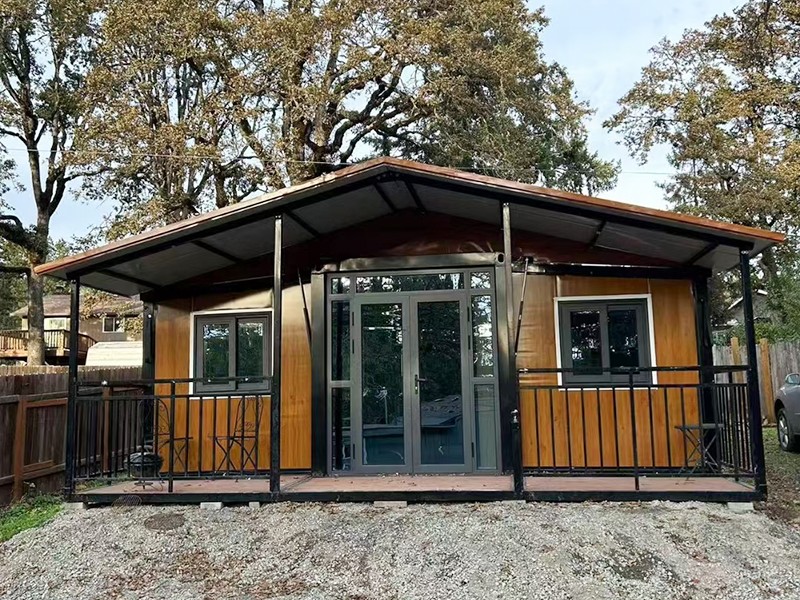
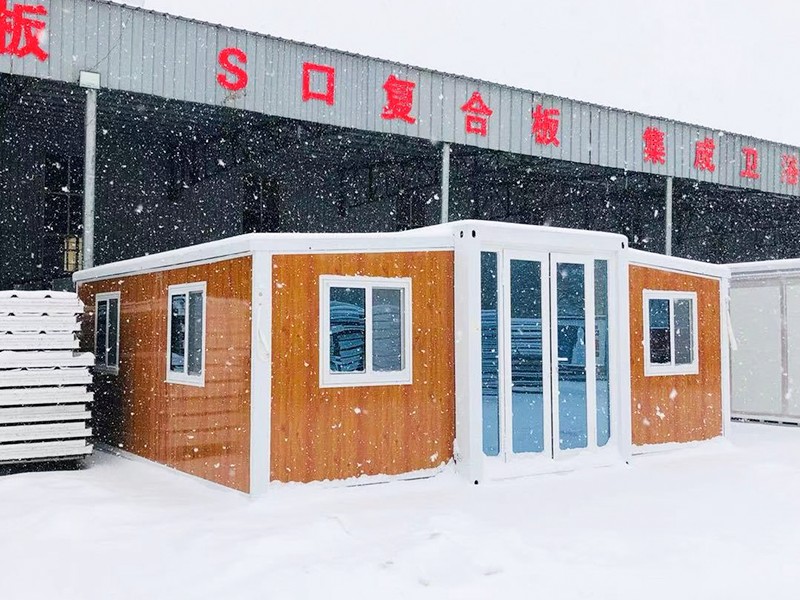
Heavy-duty container houses are designed for this purpose. They are intended for outdoor long-term use and feature thick steel frames that help the structure bear harsh weather conditions in remote overseas areas. This article outlines the design approach, structural features, and practical considerations for these units.
Built on an Integrated Modular System
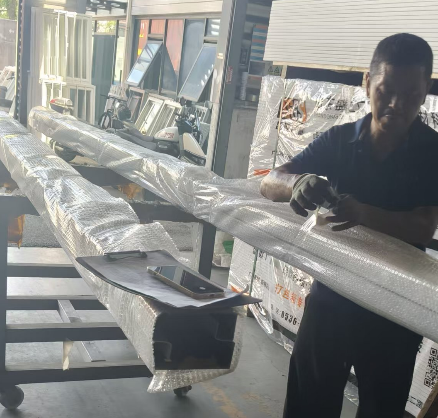
Suzhou Taimao Integrated Housing Co., Ltd. specializes in delivering globally certified modular building solutions, offering industry-leading modular design, proprietary manufacturing technologies, and end-to-end digital software support. Our mission is to accelerate project timelines, boost operational efficiency, minimize ecological impact, and uphold uncompromising standards of quality and safety.
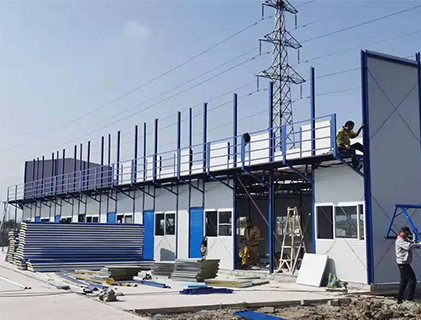
Our flagship SIP (Structural Insulated Panel) modular building system integrates structure, insulation, MEP (mechanical, electrical, plumbing), HVAC, interior finishes, and smart home technologies into a single, unified solution. This rapid assembly technology shifts the majority of on-site construction and finishing work to controlled factory environments.
Once prefabricated modules are shipped to the project site, on-site assembly can be completed in just days—or even hours. Our modular solutions are defining the future of sustainable construction.
Heavy-Duty Structural Design
The defining characteristic of these container houses is their structural reinforcement. While standard modular units are suitable for many applications, remote and exposed sites often require additional strength and durability. The heavy-duty version addresses this with a number of design measures:
- Thick steel frames – heavy-gauge galvanized steel sections are used for corner posts, base frames, and roof beams, providing greater load-bearing capacity and resistance to deformation.
- Reinforced connections – bolted and welded joints are designed to transfer forces between modules and to resist wind uplift and racking.
- Cross-bracing – diagonal bracing is incorporated into wall and floor assemblies to distribute lateral loads from wind and seismic activity.
- Robust anchoring – foundation attachment points are designed for a range of ground conditions, including concrete pads, screw piles, or driven piles, depending on the site.
These features are integrated during factory production, so the heavy-duty performance is built into the unit rather than added on site.
Weather Resistance for Long-Term Outdoor Use
Long-term outdoor use requires more than structural strength. The building envelope must manage water, moisture, temperature, and corrosion over many years. The heavy-duty container houses incorporate several layers of protection:
- Corrosion-resistant steel – galvanized frames and protective coatings help resist rust, particularly in coastal or humid environments.
- Sealed joints and penetrations – gaskets, sealants, and flashing details are used to prevent water ingress at panel connections, windows, and doors.
- Continuous insulation – the SIP core provides thermal resistance across the entire envelope, reducing heat loss in cold conditions and heat gain in hot conditions.
- Durable exterior finishes – cladding and coatings are selected for resistance to UV, abrasion, and moisture.
- Ventilation and drainage – designed to manage condensation and direct water away from structural surfaces.
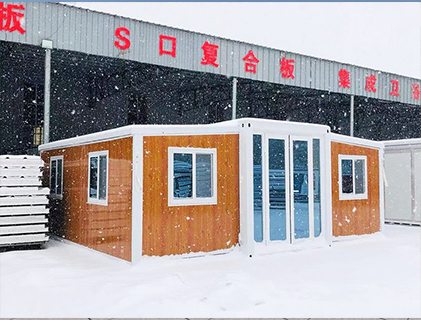
Together, these measures help the units maintain their performance and appearance over extended periods in remote locations.
Adapting to Remote Overseas Locations
Remote overseas sites bring logistical as well as environmental challenges. Transport routes may be difficult, equipment may be limited, and local maintenance resources may be scarce. The heavy-duty container houses are designed with these constraints in mind:
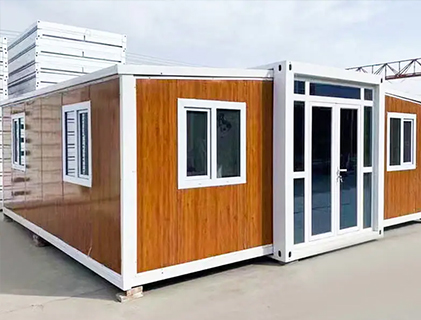
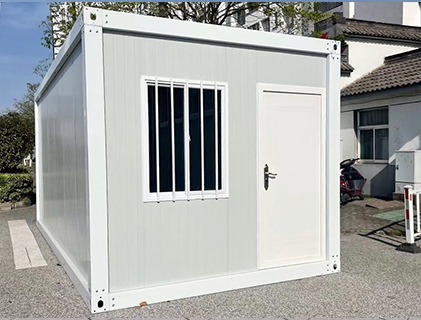
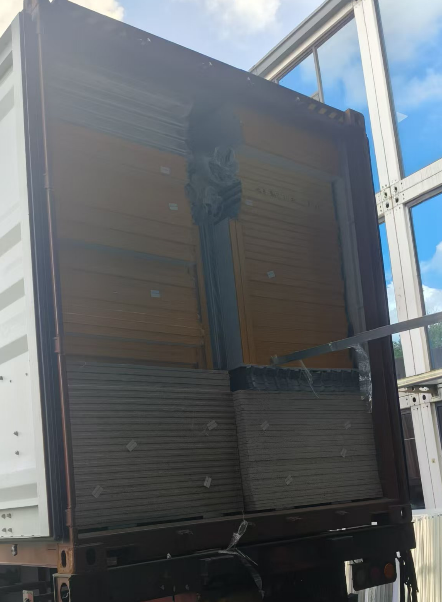
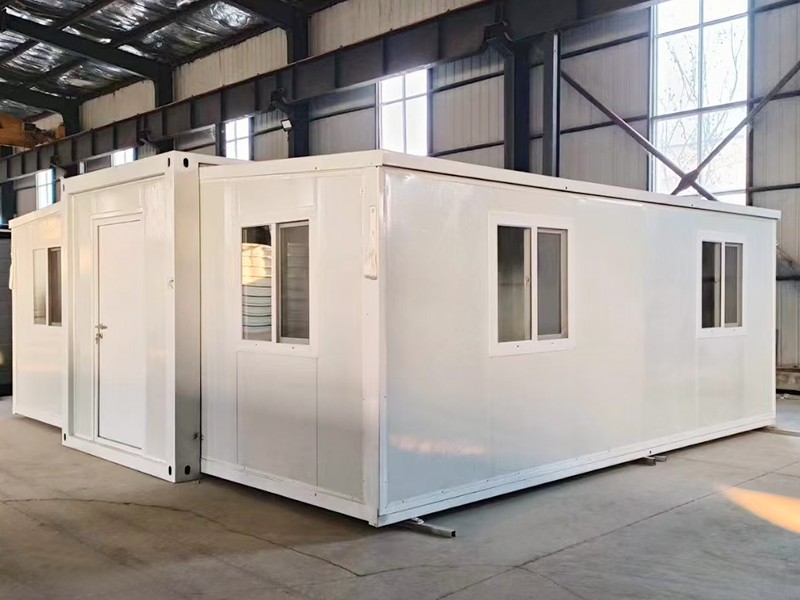
- Container shipping – units are dimensioned to fit standard shipping containers, simplifying international transport.
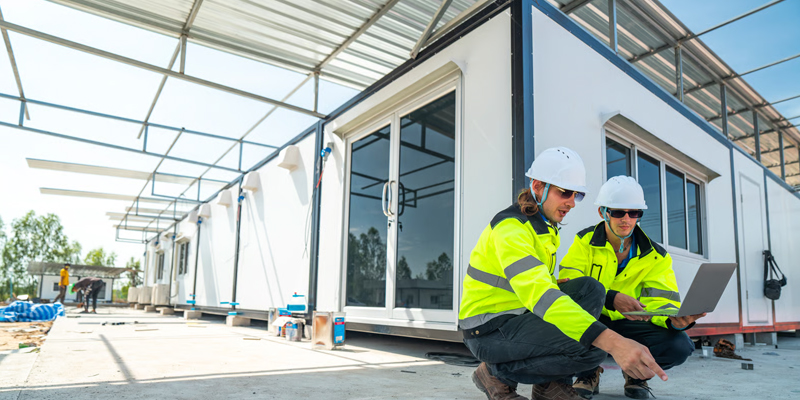
- Simple assembly – bolted connections and pre-cut panels allow assembly with basic tools, reducing the need for specialized equipment.
- Low maintenance – durable materials and finishes reduce the frequency of repairs, and individual components can be replaced if needed.
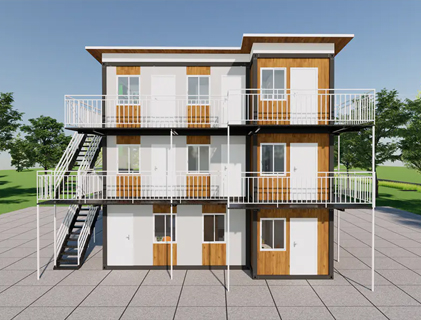
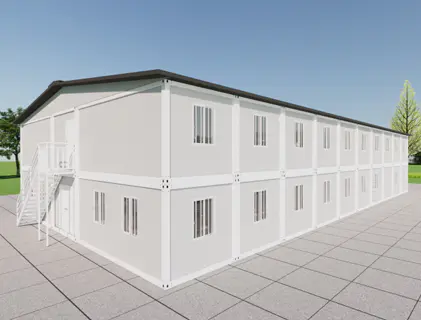
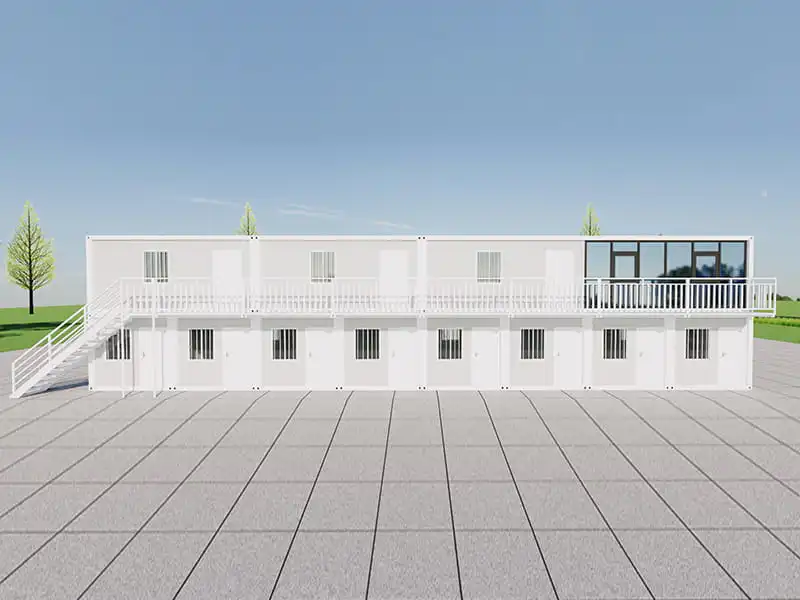
- Scalable configuration – units can be combined or stacked to create larger facilities as project needs evolve.
These features support the use of heavy-duty container houses in locations where conventional construction would be difficult or impractical.
Applications for Heavy-Duty Container Houses
Heavy-duty container houses are suitable for a range of functions in remote overseas areas, including:
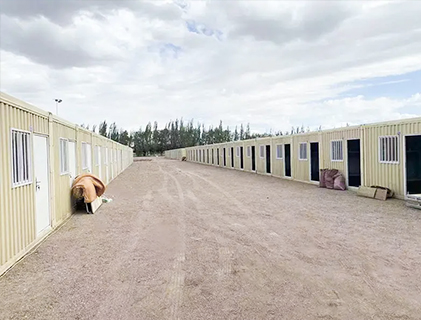
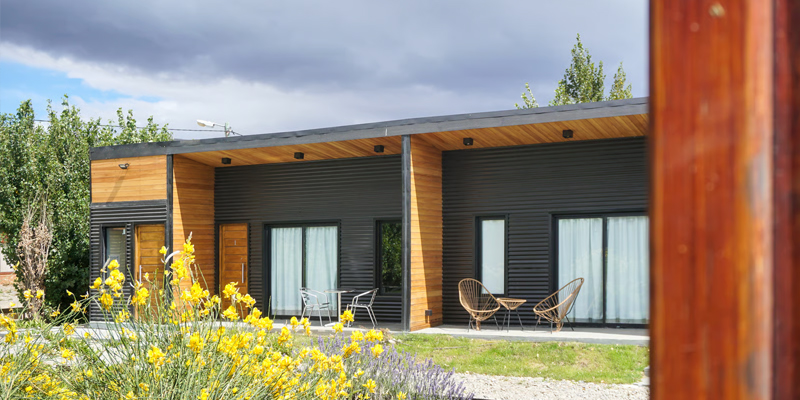
- Worker accommodation – long-term dormitories for mining, oil, gas, and infrastructure projects
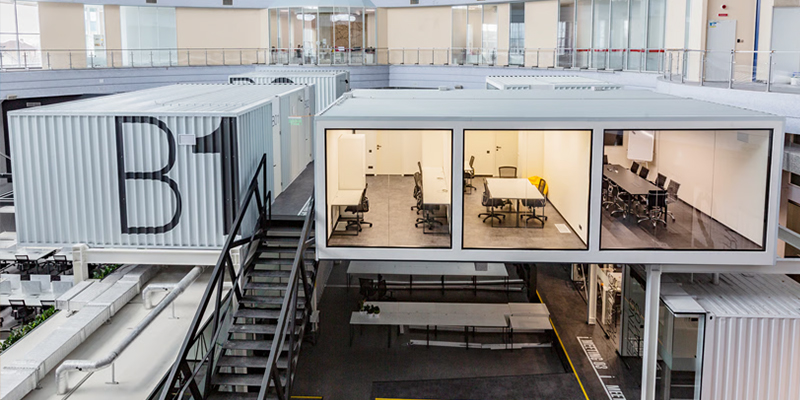
- Site offices – administrative and coordination spaces for project teams
- Storage and workshops – secure facilities for tools, equipment, and materials
- Medical and welfare units – first-aid rooms, canteens, and recreation areas
- Equipment shelters – protection for generators, pumps, and control systems
The modular design allows these functions to be combined or separated as needed, and additional units can be added as the project progresses.
Frequently Asked Questions
What weather conditions can heavy-duty container houses withstand?
The structural design can be customized to meet the wind, snow, and seismic requirements of the project location. Thick steel frames, cross-bracing, and robust connections are used to resist these forces. Specific design values are provided based on the site conditions.
How thick are the steel frames?
The steel frame thickness is selected according to the structural requirements of the project. Heavy-gauge sections are used for the main frame members, with the exact specification determined during the design phase.
Are the units suitable for long-term outdoor use?
Yes. The materials and finishes are chosen for durability in outdoor environments, and the design includes measures to manage moisture, corrosion, and thermal performance. Routine maintenance is recommended to preserve the appearance and function of the units.
Can the units be customized for specific remote locations?
Yes. Insulation thickness, exterior coatings, window and door specifications, and internal layouts can be adapted to the climate and operational needs of the project.
How are the units shipped and assembled?
The units are shipped in full containers, with flat-pack options available. Assembly uses bolted connections and basic tools, and installation manuals are provided. Remote guidance is available if needed.
What maintenance is required?
Recommended maintenance includes periodic inspection of seals and coatings, cleaning of drainage paths, and touch-up of any damaged paint or protective layers. The frequency depends on the local environment.
Technical Overview
The table below summarizes the key features of the heavy-duty container houses for remote overseas long-term use.
| Feature | Description |
|---|---|
| Structural System | SIP modular with heavy-gauge galvanized steel frame |
| Steel Frame | Thick sections, reinforced connections, cross-bracing |
| Weather Protection | Corrosion-resistant coatings, sealed joints, durable cladding |
| Insulation | High-density SIP core, thickness customizable |
| Wind and Snow Loads | Engineered to project location requirements |
| Assembly | Bolted connections, basic tools, installation manuals |
| Shipping | Full container, flat-pack options available |
| Long-Term Use | Durable materials, maintenance schedule recommended |
Conclusion
Heavy-duty container houses designed for outdoor long-term use provide a practical solution for remote overseas areas where harsh weather conditions are a constant factor. Thick steel frames, reinforced connections, and weather-resistant finishes help the units maintain their performance over extended periods.
Suzhou Taimao Integrated Housing Co., Ltd. brings together industry-leading modular design, proprietary manufacturing technologies, and end-to-end digital software support to deliver globally certified solutions. The SIP modular building system integrates structure, insulation, MEP, HVAC, interior finishes, and smart home technologies into a single, cohesive package.
We invite project owners and contractors to contact us to discuss their requirements for heavy-duty container houses in remote overseas locations.
For exclusive deals and latest offers, sign up by entering your email address below.

-
TEL:+86 18762912902
-
Email:cntaimao@163.com
-
WhatsApp:
-
Add:Group 5, Cao Village, Zhenze Town, Suzhou, Jiangsu, China
Copyright © Suzhou Taimao Integrated Housing Co., Ltd.
All Rights Reserved.
 Wholesale movable homes for sale
custom built modular homes