

 EN
 русский
 Español
 عربى
 Français
Simple-assembly flat pack containers for remote overseas construction zones, no complex tools needed for field assembly.
Admin 2026-09-30Content
- 1 Assembly Challenges in Remote Construction Zones
- 2 Engineered for Simple Field Assembly
- 3 Flat Pack Design and Shipping Efficiency
- 4 No Complex Tools Required
- 5 Step‑by‑Step Installation Manuals
- 6 Structural and Thermal Performance
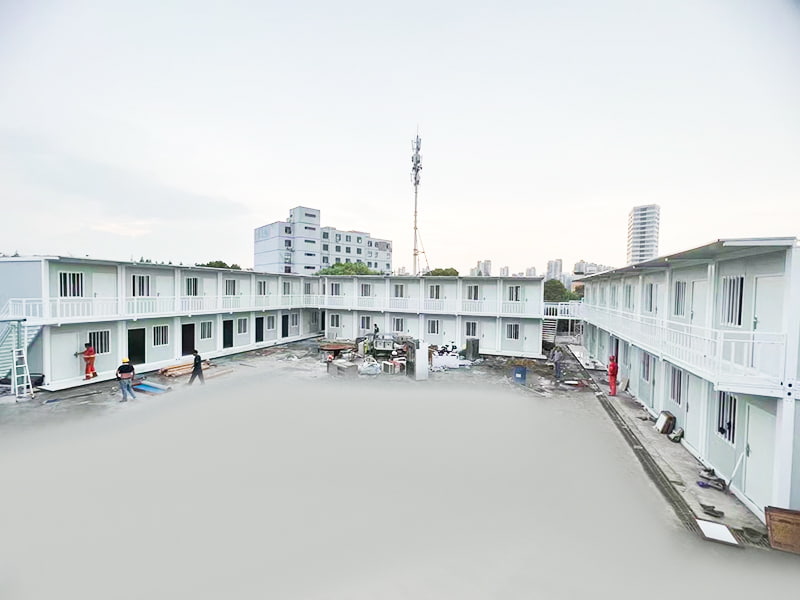
- 7 Applications in Remote Construction Zones
- 8 Frequently Asked Questions
- 8.1 What tools are needed to assemble a flat pack container?
- 8.2 How long does assembly take?
- 8.3 Do workers need special training?
- 8.4 Is the finished building as strong as a pre‑assembled module?
- 8.5 Can the containers be disassembled and moved later?
- 8.6 How many flat pack units fit in one shipping container?
- 9 Technical Overview
- 10 Conclusion
Assembly Challenges in Remote Construction Zones
Remote overseas construction zones often operate far from established supply chains, skilled labor pools, and equipment rental yards. In these locations, assembling temporary or semi-permanent buildings can be difficult if the design depends on heavy machinery, specialized tools, or highly trained crews. Delays in assembly can hold up project mobilization, increase costs, and create safety risks when workers lack suitable accommodation.
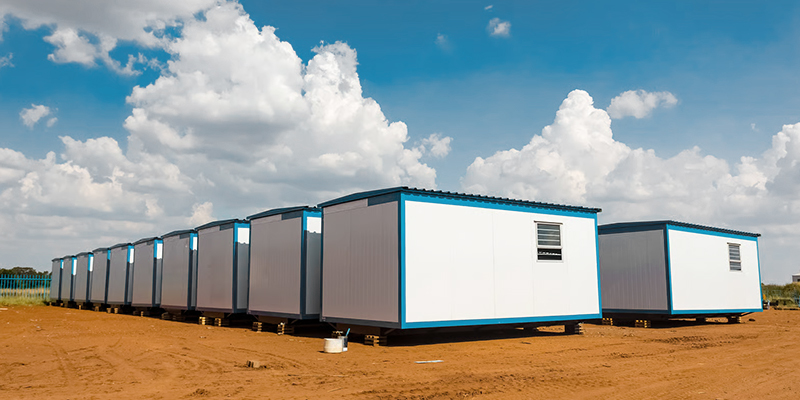
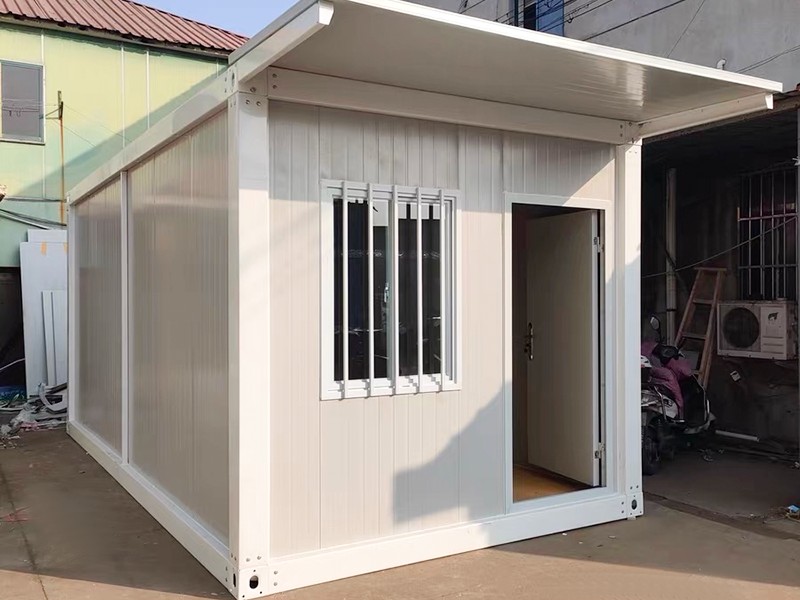
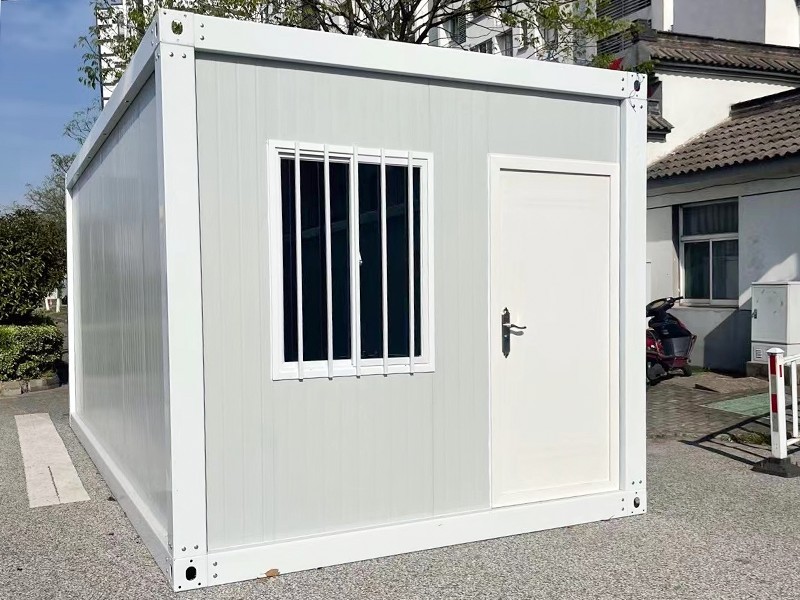
Flat pack containers address these challenges by shifting the complexity to the factory. The units are manufactured in a controlled environment, then packed flat for shipping and assembled on site using simple methods. This approach is particularly suited to remote construction zones where resources are limited and time is critical.
Engineered for Simple Field Assembly
Suzhou Taimao Integrated Housing Co., Ltd. specializes in delivering globally certified modular building solutions. Our flagship SIP (Structural Insulated Panel) modular building system integrates structure, insulation, MEP (mechanical, electrical, plumbing), HVAC, interior finishes, and smart home technologies into a single, unified solution. This rapid assembly technology shifts the majority of on‑site construction and finishing work to controlled factory environments.
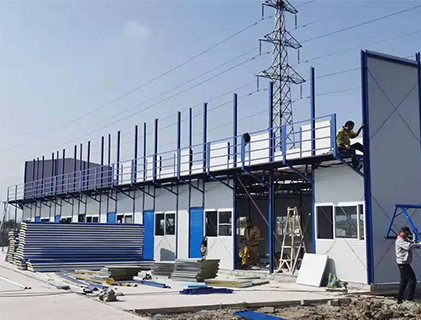
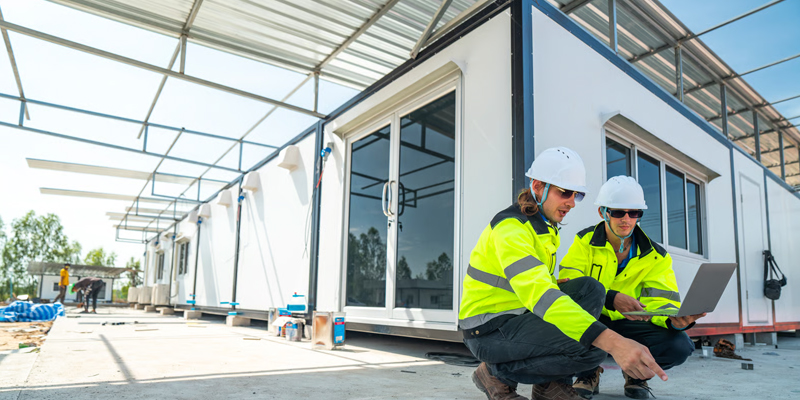
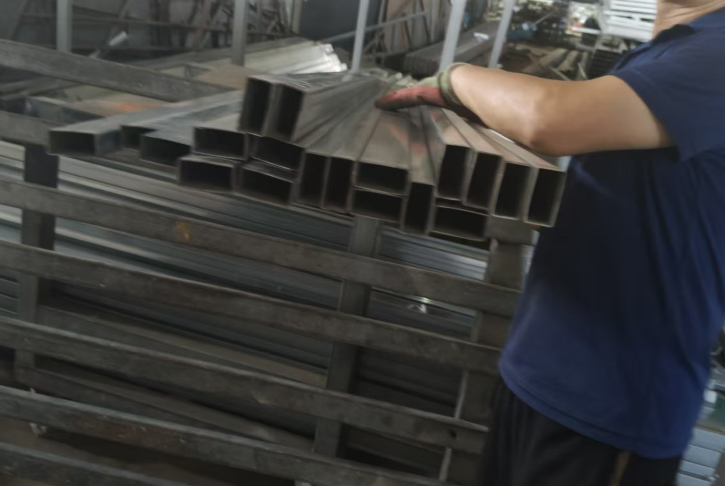
For flat pack containers, the design focuses on making the on‑site work as straightforward as possible. Panels are pre‑cut, pre‑drilled, and labeled. Connection points are standardized, and the sequence of assembly is documented in clear steps. The goal is to allow a small crew, using basic hand tools, to complete the assembly without needing complex equipment or specialized construction skills.
Once prefabricated modules are shipped to the project site, on‑site assembly can be completed in just days—or even hours, depending on the size and number of units.
Flat Pack Design and Shipping Efficiency
Flat pack containers are shipped as stacked components rather than fully assembled modules. This format offers several practical benefits for remote projects:
- More units can fit into a single shipping container, reducing the number of containers required
- Lower sea freight cost per unit through better space utilization
- Components are easier to handle and store at the destination before assembly
- Reduced risk of damage during transit due to compact packing
The flat pack components are organized and labeled so that the assembly team can identify each part quickly. This organization helps prevent confusion on site and supports a smooth, sequential build.
No Complex Tools Required
A key feature of the flat pack system is that it does not rely on complex tools for field assembly. The panels are joined using bolted connections, and the pre‑drilled holes align with the connection points. The tools typically needed include:
- Wrenches or socket sets for bolts
- Screwdrivers or powered drivers for fasteners
- A spirit level for alignment
- A measuring tape for verification
- Basic lifting aids for positioning larger panels, if needed
No welding, cutting, or heavy lifting equipment is required. This makes the assembly process accessible to local crews who may not have experience with modular construction, and it reduces the equipment that must be transported to remote sites.
Step‑by‑Step Installation Manuals
Each flat pack shipment includes detailed installation manuals that guide the assembly team through the process. The manuals use clear illustrations and sequenced instructions, covering:
- Site preparation and foundation requirements
- Unpacking and sorting of components
- Floor panel assembly and leveling
- Wall panel erection and connection
- Roof panel installation and sealing
- Electrical and plumbing connections
- Finishing and final checks
The manuals are provided in printed and digital formats, and our after‑sales team offers remote guidance if questions arise during assembly. For larger projects, on‑site support can be arranged separately.
Structural and Thermal Performance
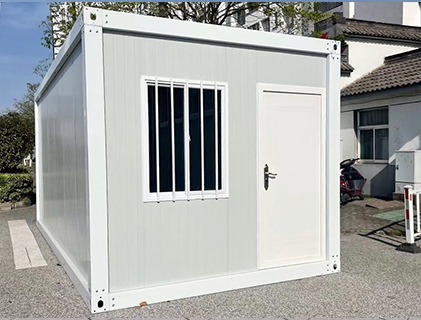
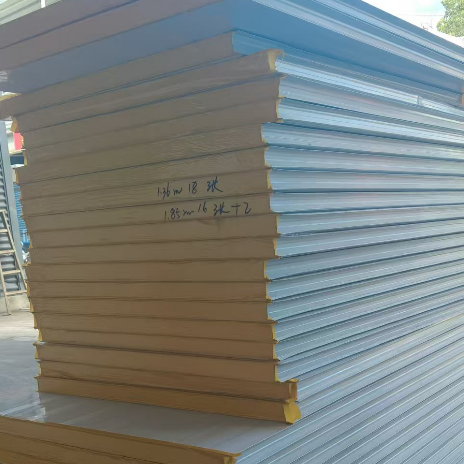
Despite the simple assembly method, the finished flat pack container performs like a conventional modular building. The SIP panels provide continuous insulation, helping to maintain stable indoor temperatures and reduce energy demand. The galvanized steel frame offers corrosion resistance, and the bolted connections create a rigid structure capable of withstanding wind and seismic loads when designed for the local conditions.
The panels are sealed at joints to prevent air and water leakage, and the interior finishes are durable and easy to maintain. This means the units are suitable for long‑term use in remote construction zones, not just short‑term shelter.
Applications in Remote Construction Zones
Flat pack containers are used for a range of functions in remote overseas construction zones, including:
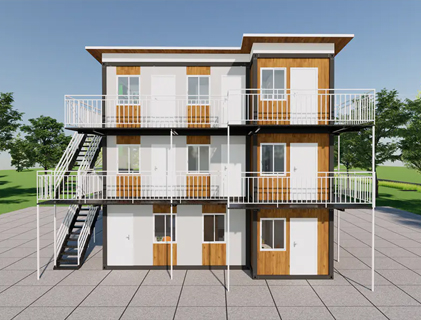
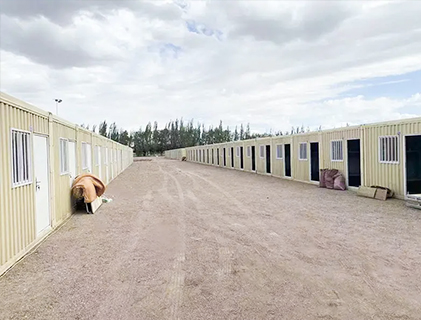
- Worker accommodation – sleeping quarters for construction crews
- Site offices – administrative and coordination spaces
- Dining and welfare facilities – canteens and rest areas
- Storage and workshops – for tools, equipment, and materials
- Medical and first‑aid rooms – for on‑site health services
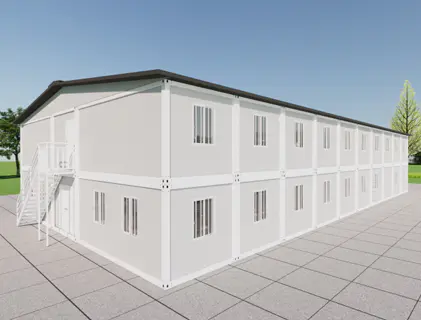
The modular design allows units to be combined or expanded as the project progresses, and the flat pack format makes it practical to ship additional units when needed.
Frequently Asked Questions
What tools are needed to assemble a flat pack container?
Basic hand tools such as wrenches, screwdrivers, a spirit level, and a measuring tape are sufficient. No welding, cutting, or heavy lifting equipment is required.
How long does assembly take?
A typical unit can be assembled in a few days by a small crew. Larger buildings take longer, depending on the number of units and the team's familiarity with the process.
Do workers need special training?
No specialized training is required. The installation manual provides step‑by‑step instructions, and remote guidance is available if needed.
Is the finished building as strong as a pre‑assembled module?
Yes. The same structural panels and connection systems are used. Once assembled, the structural integrity is equivalent to units shipped fully assembled.
Can the containers be disassembled and moved later?
Yes. The bolted connections allow the units to be disassembled, transported, and reassembled at a new location, extending their useful life.
How many flat pack units fit in one shipping container?
The number depends on the unit size and configuration. Flat packing typically allows significantly more units per container than pre‑assembled shipping.
Technical Overview
The table below summarizes the key features of the simple‑assembly flat pack containers.
| Feature | Description |
|---|---|
| Structural System | SIP modular with galvanized steel frame |
| Shipping Format | Flat pack, compact stacking |
| Tools Required | Basic hand tools only |
| Assembly Method | Bolted connections, pre‑cut and pre‑drilled panels |
| Crew Size | Small team, no specialist skills required |
| Assembly Time | A few days for a typical unit |
| Reusability | Can be disassembled and relocated |
Conclusion
Simple‑assembly flat pack containers offer a practical building solution for remote overseas construction zones. By removing the need for complex tools and specialized skills, they allow local crews to complete assembly efficiently, while the flat pack format improves shipping efficiency and reduces logistics costs.
Suzhou Taimao Integrated Housing Co., Ltd. brings together industry‑leading modular design, proprietary manufacturing technologies, and end‑to‑end digital software support to deliver globally certified solutions. Our mission is to accelerate project timelines, boost operational efficiency, minimize ecological impact, and uphold uncompromising standards of quality and safety. The SIP modular building system exemplifies this commitment, providing a unified platform that integrates structure, insulation, MEP, HVAC, interior finishes, and smart home technologies into a single, cohesive package.
We invite project managers and contractors to contact us to discuss how flat pack containers can support their remote construction projects.
For exclusive deals and latest offers, sign up by entering your email address below.

-
TEL:+86 18762912902
-
Email:cntaimao@163.com
-
WhatsApp:
-
Add:Group 5, Cao Village, Zhenze Town, Suzhou, Jiangsu, China
Copyright © Suzhou Taimao Integrated Housing Co., Ltd.
All Rights Reserved.
 Wholesale movable homes for sale
custom built modular homes