

 EN
EN
 русский
 Español
 عربى
عربى Français
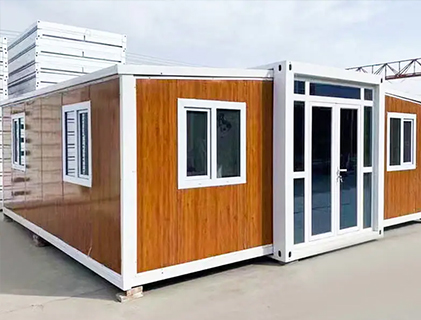
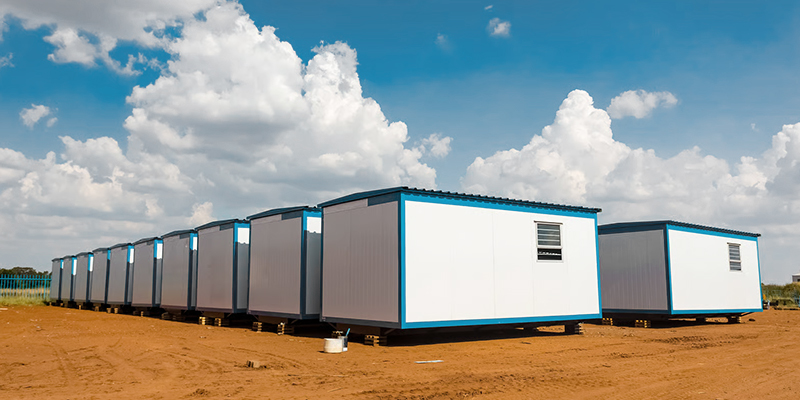
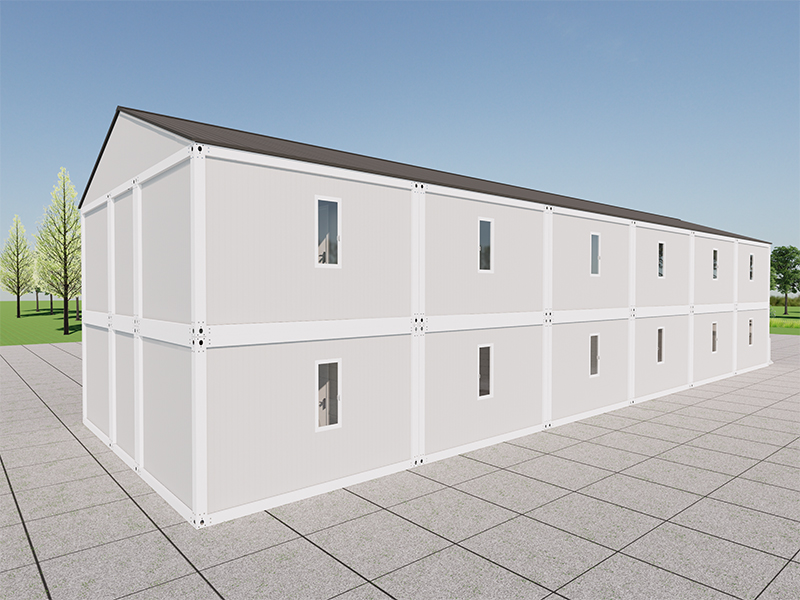
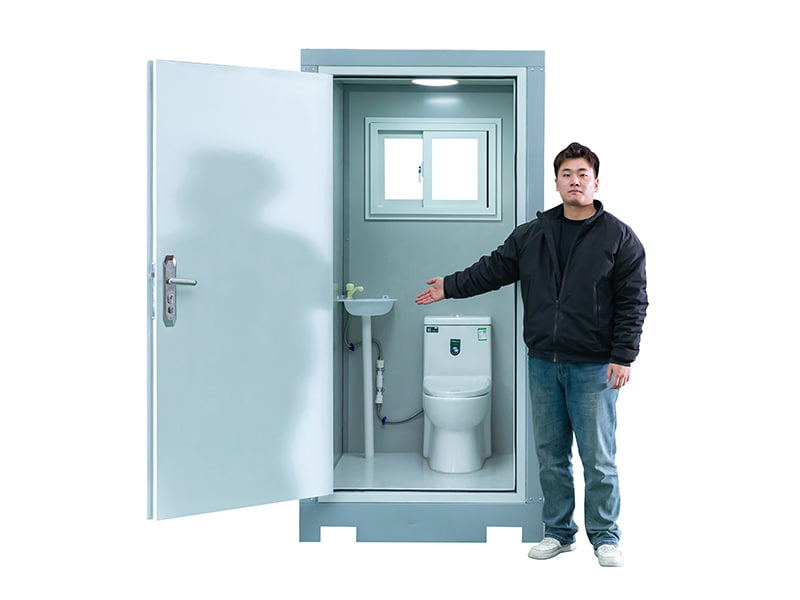
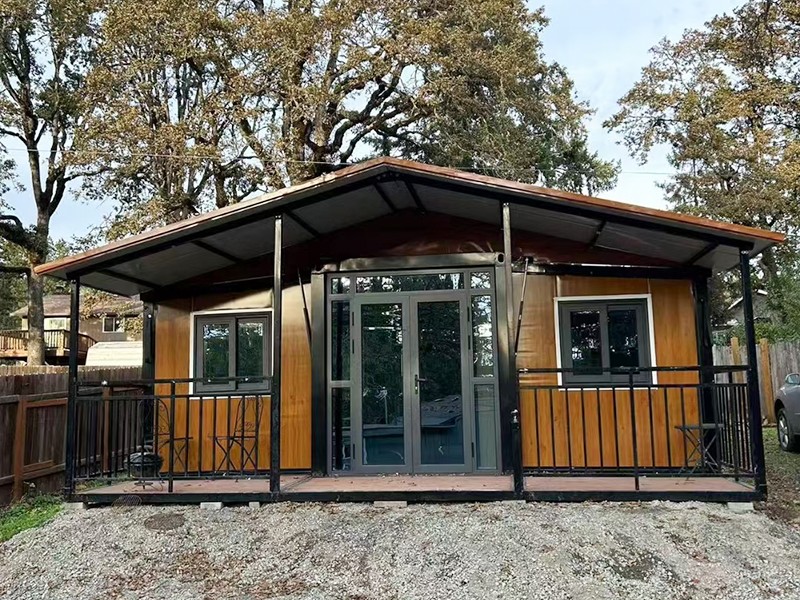
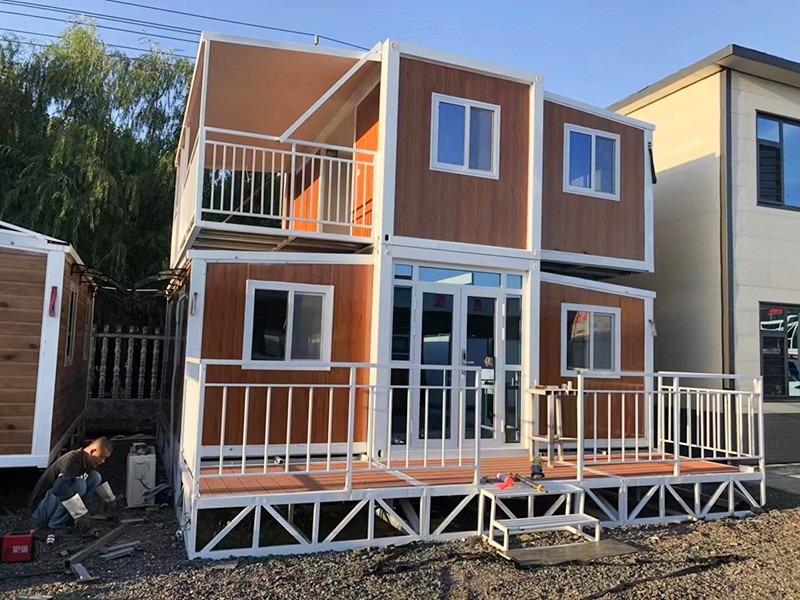
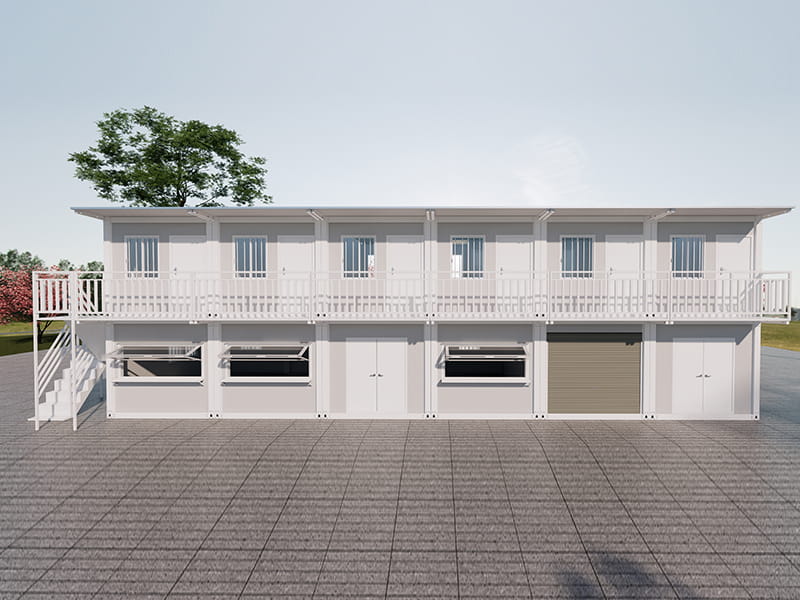
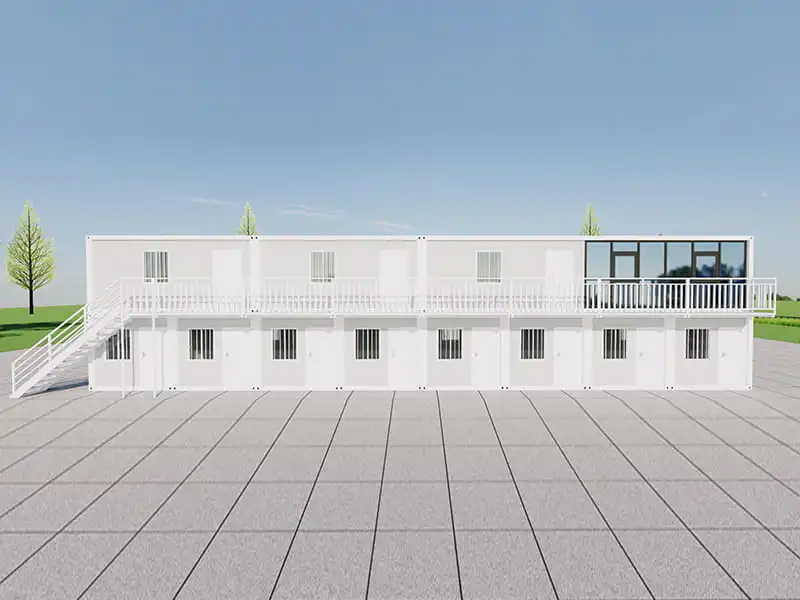
Flat pack container houses occupy less shipping space, so one shipping container can hold more units to lower your overall logistics expense.
Admin 2026-09-05Content
The Growing Role of Modular Construction in Modern Building
Modular construction is changing how projects are planned, built, and delivered. By moving a significant portion of work into controlled factory environments, builders can reduce on-site complexity and improve consistency. This approach is particularly valuable for projects that require speed, repeatability, and efficient use of resources.
Suzhou Taimao Integrated Housing Co., Ltd. specializes in delivering globally certified modular building solutions, offering industry-leading modular design, proprietary manufacturing technologies, and end-to-end digital software support. Our mission is to accelerate project timelines, boost operational efficiency, minimize ecological impact, and uphold uncompromising standards of quality and safety.

Structural Insulated Panel Modular Building Systems
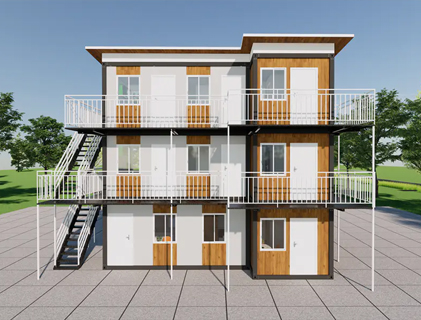
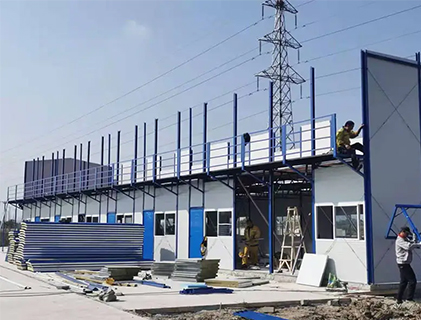
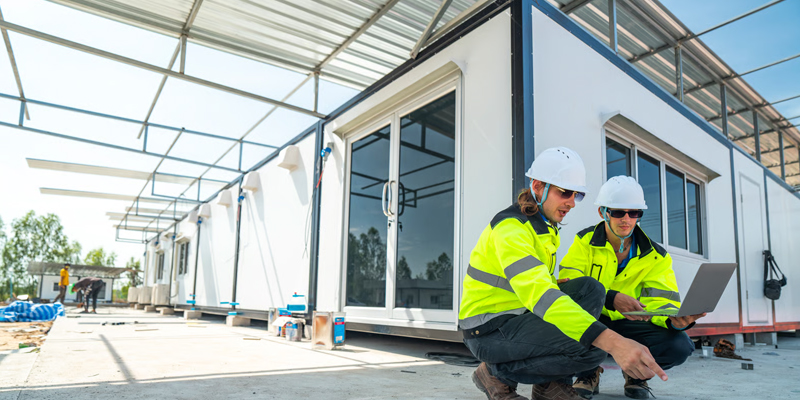
Our flagship SIP (Structural Insulated Panel) modular building system integrates structure, insulation, MEP (mechanical, electrical, plumbing), HVAC, interior finishes, and smart home technologies into a single, unified solution. This rapid assembly technology shifts the majority of on-site construction and finishing work to controlled factory environments.
Once prefabricated modules are shipped to the project site, on-site assembly can be completed in just days—or even hours. Our modular solutions are defining the future of sustainable construction.
Key Advantages of the SIP System
- Integrated structure, insulation, and building services reduce coordination gaps
- Factory-controlled production supports consistent quality
- Rapid on-site assembly shortens overall project schedules
- Reduced on-site labor and waste through prefabrication
- Smart home technologies can be embedded during manufacturing
Flat Pack Container Houses and Logistics Efficiency
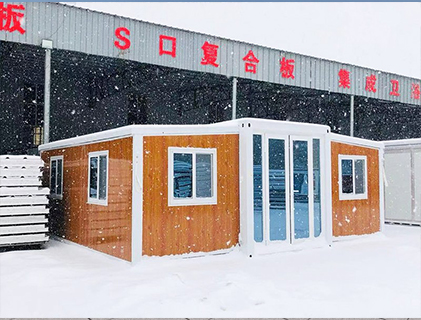
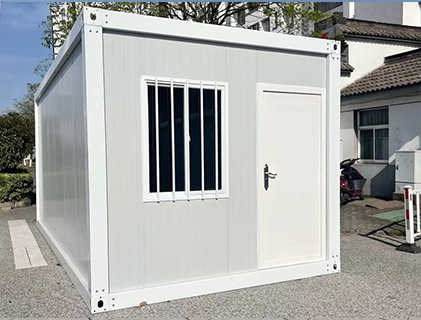
Flat pack container houses occupy less shipping space, so one shipping container can hold more units to lower your overall logistics expense. This design approach is especially relevant for projects in remote locations or where transport costs represent a significant portion of the budget.
Because the modules are designed to nest and stack efficiently, the volume of empty space during transport is reduced. This can lead to fewer shipments and lower fuel consumption per unit delivered. For large-scale deployments, the cumulative effect on logistics planning and cost structure can be substantial.
Applications Across Project Types
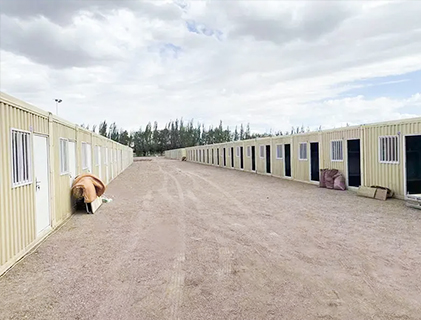
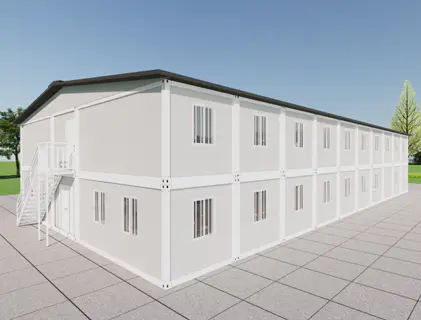
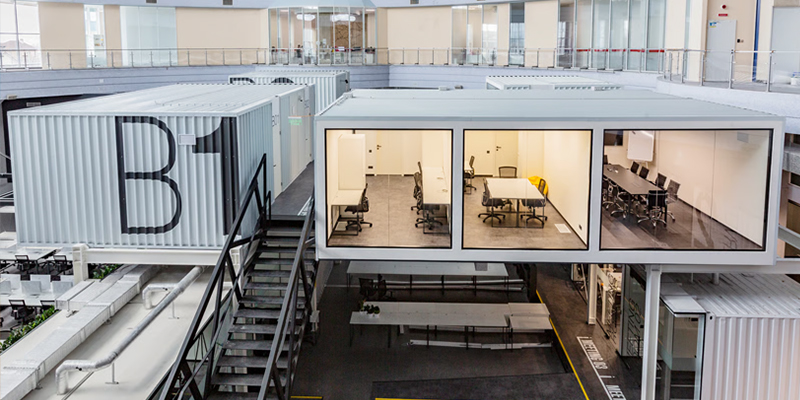
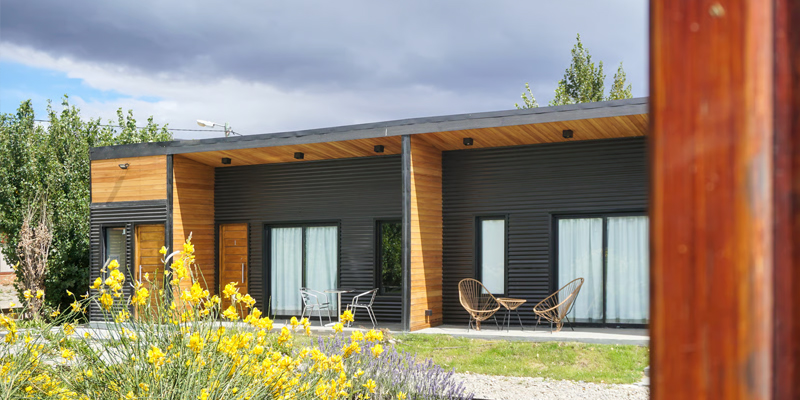
Modular buildings are used in a wide range of settings. The factory-based process supports consistent output whether the project involves a few units or several hundred.
| Application | Typical Requirement | Modular Benefit |
|---|---|---|
| Workforce housing | Rapid deployment, durability | Factory-built consistency |
| Site offices | Quick setup, relocation ability | Flat pack transport efficiency |
| Educational facilities | Scalable layouts, code compliance | Integrated MEP and finishes |
| Healthcare units | Hygienic surfaces, service integration | Controlled factory environment |

Frequently Asked Questions
How does flat pack design affect shipping?
Flat pack container houses occupy less shipping space, so one shipping container can hold more units to lower your overall logistics expense. This is achieved by designing components to nest efficiently and minimizing unused volume during transport.
What is included in the SIP modular system?
The SIP system integrates structure, insulation, MEP, HVAC, interior finishes, and smart home technologies into a unified solution. This integration reduces the number of separate trades and coordination steps required on site.
How quickly can on-site assembly be completed?
Once prefabricated modules are shipped to the project site, on-site assembly can be completed in just days—or even hours. The exact timeline depends on project scale, site conditions, and foundation readiness.
Are modular buildings suitable for permanent use?
Modular buildings are used for both temporary and permanent applications. The suitability for a specific project depends on design requirements, local building codes, and the selected modular system specifications.
What support does the company provide?
Suzhou Taimao Integrated Housing Co., Ltd. provides end-to-end digital software support alongside modular design and proprietary manufacturing technologies. This support covers the project lifecycle from initial planning through delivery and assembly.
Sustainability and Operational Efficiency
Moving construction work into a factory setting can reduce material waste, improve worker safety, and allow for more precise inventory control. Prefabrication also supports better protection of materials from weather damage before assembly.
The integration of smart home technologies into the SIP system allows for monitoring and control of energy use, lighting, and climate systems. When combined with the thermal performance of structural insulated panels, this can contribute to lower operational energy demand over the life of the building.
For project owners and developers, the combination of faster assembly, reduced logistics volume, and integrated building systems offers a practical path toward meeting both schedule and sustainability objectives.
For exclusive deals and latest offers, sign up by entering your email address below.

-
TEL:+86 18762912902
-
Email:cntaimao@163.com
-
WhatsApp:
-
Add:Group 5, Cao Village, Zhenze Town, Suzhou, Jiangsu, China
Copyright © Suzhou Taimao Integrated Housing Co., Ltd.
All Rights Reserved.
 Wholesale movable homes for sale
custom built modular homes
Wholesale movable homes for sale
custom built modular homes