



 EN
 русский
 Español
 عربى
 Français
All engineering container shipments are reinforced during stuffing to prevent collision damage during long ocean transportation.
Admin 2026-10-13Content
- 1 Protecting Cargo Through Long Ocean Voyages
- 2 Built on an Integrated Modular System
- 3 What Reinforcement During Stuffing Involves
- 4 Forces Acting on Cargo During Ocean Transport
- 5 Types of Damage That Reinforcement Helps Prevent
- 6 Documentation and Verification
- 7 Frequently Asked Questions
- 7.1 What does reinforcement during stuffing involve?
- 7.2 Is reinforcement applied to all shipments?
- 7.3 What materials are used for reinforcement?
- 7.4 Can I see documentation of the reinforcement for my shipment?
- 7.5 Does reinforcement add to the shipping cost?
- 7.6 What happens if damage is found on arrival?
- 8 Reinforcement Overview
- 9 Conclusion
Protecting Cargo Through Long Ocean Voyages
Ocean transportation exposes cargo to a range of forces that are not always obvious from the calm of a loading dock. During a long voyage, a vessel may encounter rough seas, heavy swells, and sudden movements that cause containers to shift, vibrate, and flex. Inside the container, unsecured cargo can move, collide with other components, and strike the container walls. For modular building components—panels, frames, fittings, and finished surfaces—even minor movement can result in dents, scratches, bent edges, or broken parts.
To reduce these risks, all engineering container shipments are reinforced during stuffing. This reinforcement is designed to prevent collision damage during long ocean transportation, so that the units arrive at the destination in the condition in which they left the factory.
Built on an Integrated Modular System
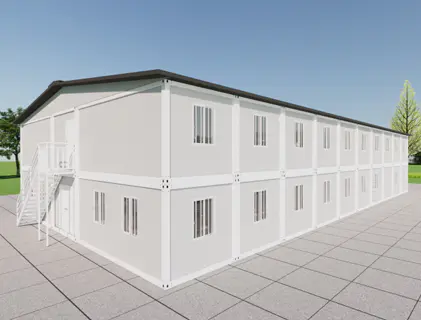
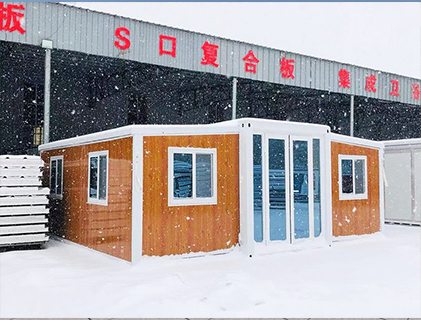
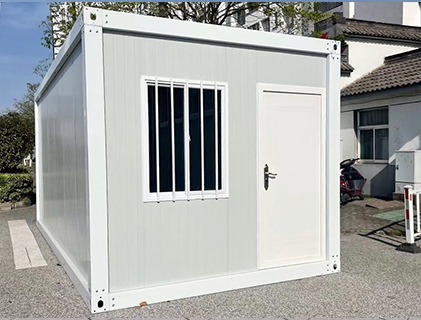
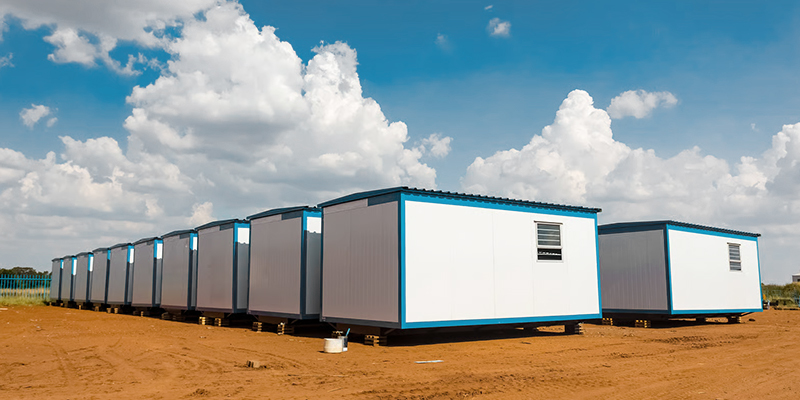
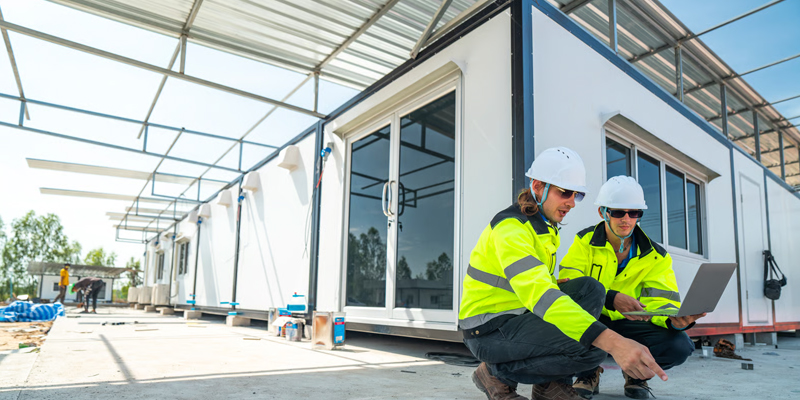
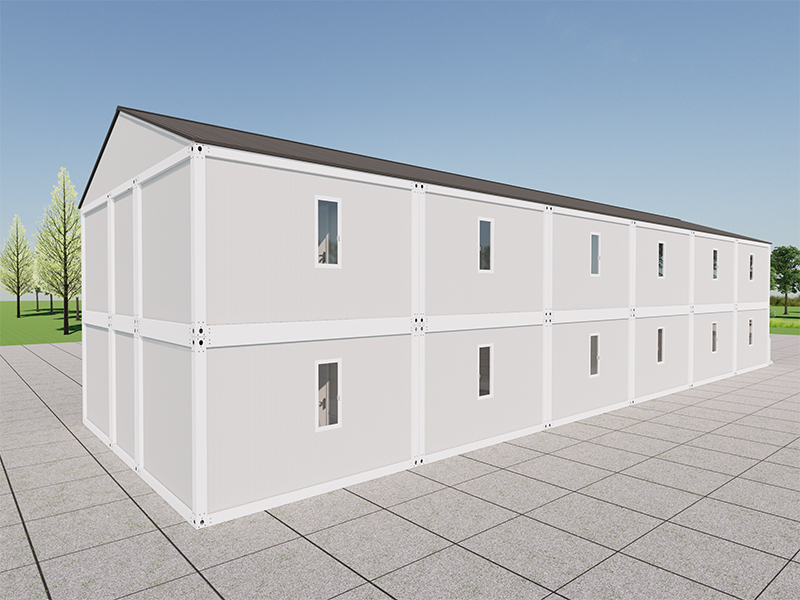
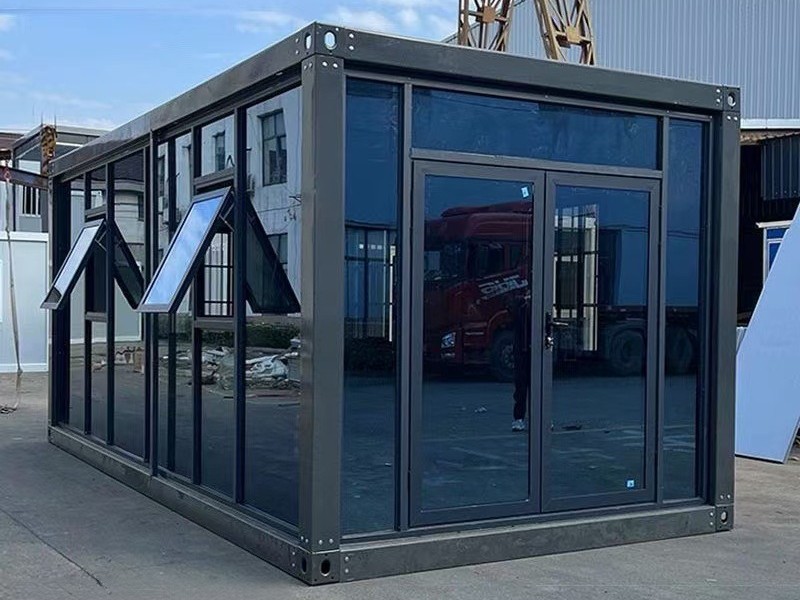
Suzhou Taimao Integrated Housing Co., Ltd. specializes in delivering globally certified modular building solutions, offering industry-leading modular design, proprietary manufacturing technologies, and end-to-end digital software support. Our mission is to accelerate project timelines, boost operational efficiency, minimize ecological impact, and uphold uncompromising standards of quality and safety.
Our flagship SIP (Structural Insulated Panel) modular building system integrates structure, insulation, MEP (mechanical, electrical, plumbing), HVAC, interior finishes, and smart home technologies into a single, unified solution. This rapid assembly technology shifts the majority of on-site construction and finishing work to controlled factory environments.
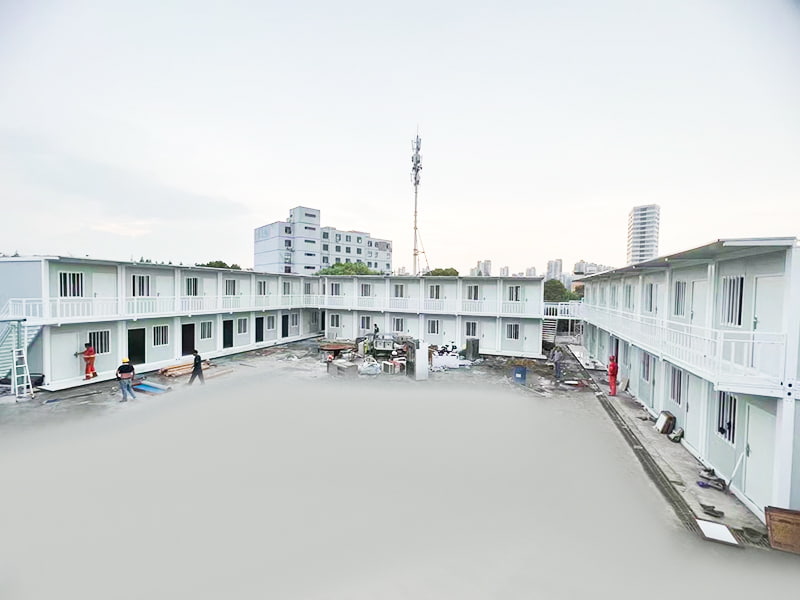
Once prefabricated modules are shipped to the project site, on-site assembly can be completed in just days—or even hours. Our modular solutions are defining the future of sustainable construction.
What Reinforcement During Stuffing Involves
Reinforcement during stuffing is a structured process carried out by our professional loading team. It involves arranging the cargo within the container and then applying measures to hold it in place. Typical elements of the process include:
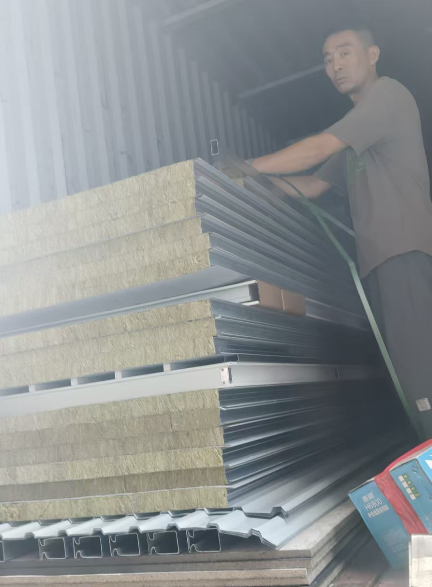
- Weight distribution planning – heavier components are placed at the bottom and distributed evenly to maintain stability
- Stacking order – items are stacked in a sequence that minimizes pressure on fragile surfaces and allows for easy unloading
- Bracing and blocking – timber or metal braces are installed to prevent horizontal and vertical movement
- Strapping and lashing – webbing or steel straps are used to secure larger components to the container structure
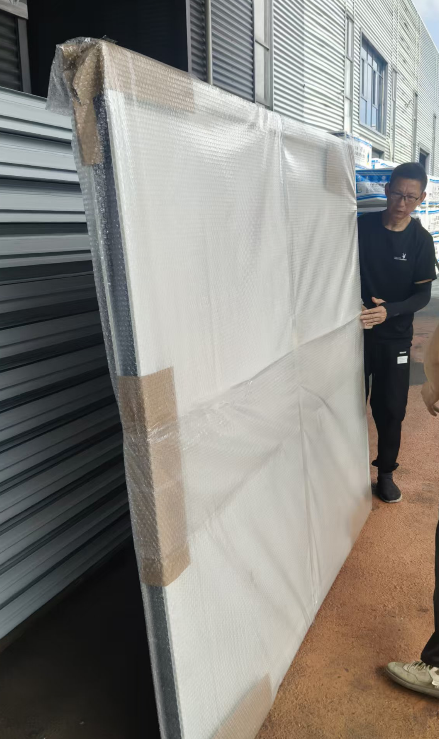
- Padding and cushioning – foam, cardboard, or other protective materials are placed between items that could rub or strike each other
- Gap filling – empty spaces are filled with suitable materials to prevent cargo from shifting into voids
These measures are adapted to the specific mix of components in each shipment, so that the reinforcement matches the cargo rather than following a fixed template.
Forces Acting on Cargo During Ocean Transport
Understanding the forces involved helps explain why reinforcement is necessary. During a long sea voyage, cargo may experience:
- Vertical acceleration – from the vessel rising and falling with waves, which can cause cargo to lift and drop
- Lateral movement – from rolling and yawing, which can cause cargo to slide sideways
- Longitudinal forces – from pitching and surging, which can cause cargo to shift forward or backward
- Vibration – continuous low-level vibration from engines and propellers, which can cause fasteners to loosen over time
- Impact from adjacent cargo – if one item moves, it can strike others nearby
Reinforcement measures are selected to counter these forces and keep the cargo stable throughout the voyage.
Types of Damage That Reinforcement Helps Prevent
The reinforcement process is intended to prevent several common types of transit damage:
- Surface scratches and scuffs – caused by components rubbing against each other
- Dents and deformations – caused by impact from shifting cargo or contact with the container wall
- Bent edges and corners – caused by collisions during loading, transit, or unloading
- Broken or cracked panels – caused by excessive pressure or impact
- Loosened or lost fittings – caused by vibration and movement within packaging
- Water damage – caused by condensation or ingress if packaging is compromised
By addressing these risks, the reinforcement helps reduce the need for repairs or replacements at the destination, which can otherwise delay assembly and increase project costs.
Documentation and Verification
The reinforcement process is documented so that clients can verify that their shipment has been properly secured. Documentation typically includes:
- Loading photos showing the arrangement of cargo before and after reinforcement
- Videos of the stuffing process, where requested
- A stowage plan indicating the placement of major components
- A packing list matching the cargo to the shipment documents
- Records of the bracing, strapping, and padding materials used
This documentation can be used for insurance purposes and for reference during unloading and assembly at the destination.
Frequently Asked Questions
What does reinforcement during stuffing involve?
It involves planning the weight distribution, arranging the stacking order, and applying bracing, blocking, strapping, padding, and gap filling to hold the cargo securely within the container.
Is reinforcement applied to all shipments?
Yes. All engineering container shipments are reinforced during stuffing. The specific measures are adapted to the cargo mix in each shipment.
What materials are used for reinforcement?
Timber or metal braces, webbing or steel straps, foam or cardboard padding, and suitable gap-filling materials. The selection depends on the weight and fragility of the components.
Can I see documentation of the reinforcement for my shipment?
Yes. Loading photos and videos can be provided, along with the stowage plan and packing list. These documents show how the cargo was arranged and secured.
Does reinforcement add to the shipping cost?
The materials and labor involved in reinforcement are part of the loading process. The cost is modest compared to the potential cost of repairing or replacing damaged components, and it supports more reliable project delivery.
What happens if damage is found on arrival?
If damage is identified during unloading, the documentation from loading can be used to assess the situation. We work with clients to resolve any issues and to supply replacement components where needed.
Reinforcement Overview
The table below summarizes the key aspects of the reinforcement process for engineering container shipments.
| Measure | Purpose |
|---|---|
| Weight Distribution | Maintain stability and prevent excessive pressure |
| Stacking Order | Protect fragile surfaces and ease unloading |
| Bracing and Blocking | Prevent horizontal and vertical movement |
| Strapping and Lashing | Secure larger components to the container |
| Padding and Cushioning | Prevent rubbing and impact between items |
| Gap Filling | Prevent cargo from shifting into empty spaces |
| Documentation | Provide a record for insurance and reference |
Conclusion
Reinforcing engineering container shipments during stuffing is a practical measure for preventing collision damage during long ocean transportation. By planning weight distribution, applying bracing and strapping, and using padding and gap filling, the cargo is held securely throughout the voyage, reducing the risk of damage and the delays that can follow.
Suzhou Taimao Integrated Housing Co., Ltd. brings together industry-leading modular design, proprietary manufacturing technologies, and end-to-end digital software support to deliver globally certified solutions. The SIP modular building system integrates structure, insulation, MEP, HVAC, interior finishes, and smart home technologies into a single, cohesive package.
We invite project owners and contractors to contact us to discuss their shipping and logistics requirements for engineering container projects.
For exclusive deals and latest offers, sign up by entering your email address below.



-
TEL:+86 18762912902
-
Email:cntaimao@163.com
-
WhatsApp:
-
Add:Group 5, Cao Village, Zhenze Town, Suzhou, Jiangsu, China
Copyright © Suzhou Taimao Integrated Housing Co., Ltd.
All Rights Reserved.
 Wholesale movable homes for sale
custom built modular homes