



 EN
EN
 русский
 Español
 عربى
عربى Français
A Complete Guide to Outdoor Portable Toilet Solutions
Admin 2026-04-01Content
- 1 Core Verdict: Container House is the Best Outdoor Portable Toilet Solution
- 2 What are Outdoor Portable Toilets and Their Application Scenarios?
- 3 Introduction to the Main Types and Structures of Outdoor Portable Toilets
- 4 Analysis of the Core Functions and Advantages of Portable Toilets
- 5 Installation and Rapid Deployment Methods for Outdoor Toilets
- 6 Cleaning and Hygiene Management Techniques for Portable Toilets
- 7 Technology and Development Trends of Environmentally Friendly Portable Toilets
- 8 Future Development: Smart Technology and the Trend of Portable Toilets
Core Verdict: Container House is the Best Outdoor Portable Toilet Solution
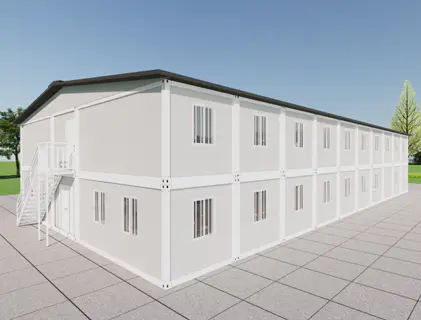
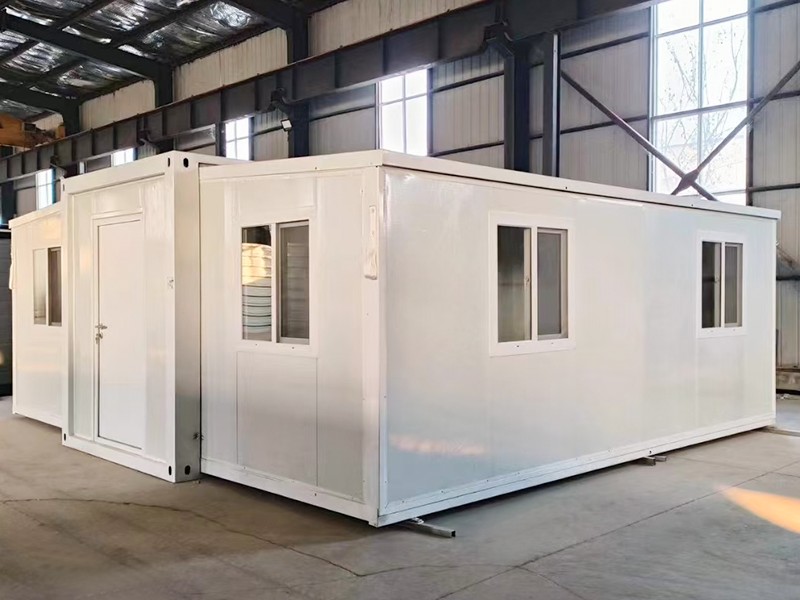
Container house outdoor portable toilets are the most durable, cost-effective, and rapidly deployable sanitation solution for outdoor use. With 72-hour fast installation, a service life of 15–20 years, and strong adaptability, they outperform traditional portable toilets in every key metric.
Types of Container House Portable Toilets & Applications
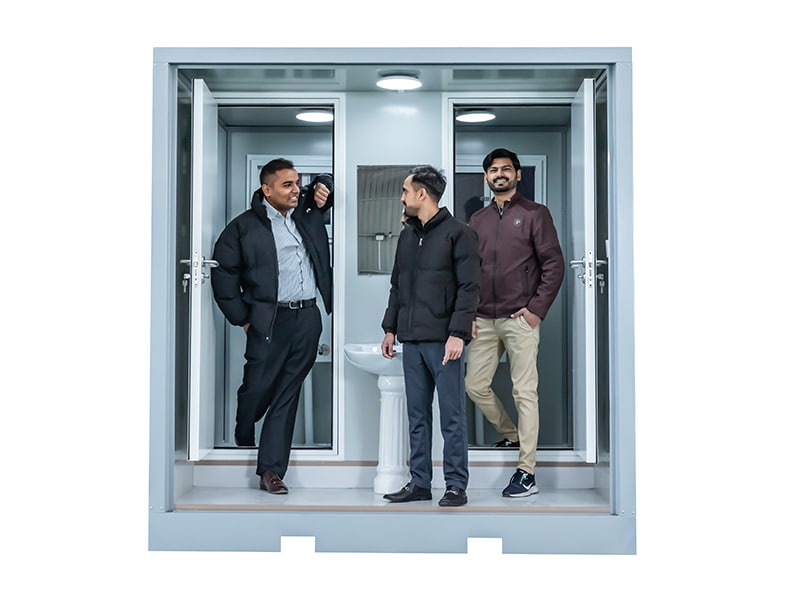
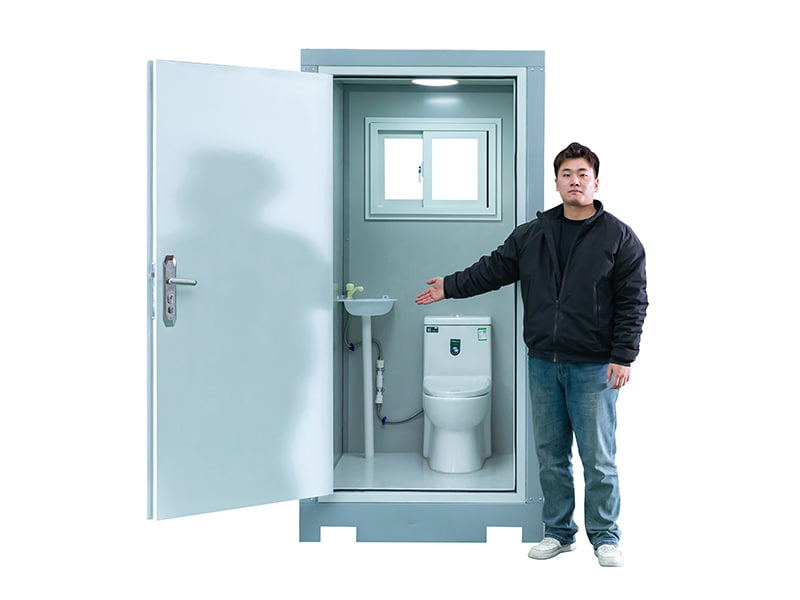
Container house toilets are designed in three standard sizes to match different usage scenarios and user capacities. All units are prefabricated and ready for on-site placement.
| Model Type | Container Size | Core Features | Best For | Daily Capacity |
|---|---|---|---|---|
| Economy | 10ft | Water-saving toilet, exhaust fan, basic sink | Small construction sites, temporary markets | 50–80 people |
| Standard | 20ft | Dual toilet, LED light, insulation, sensor sink | Events, parks, scenic areas, camps | 100–150 people |
| Premium | 40ft | Private stalls, hot water, disabled access, smart system | Large festivals, luxury camps, exhibitions | 200–300 people |
Key Advantages of Container House Portable Toilets
- Extreme Durability: Galvanized steel structure, waterproof and corrosion-resistant, with a lifespan of 15–20 years, 5–7 times longer than plastic portable toilets.
- Ultra-Fast Deployment: Prefabricated fully in factories; 4 workers finish installation in 3 hours, with full project deployment within 72 hours.
- Harsh Environment Adaptability: Works reliably from -20°C to 50°C, with Grade 11 wind resistance and Grade 8 seismic resistance.
- Eco-Friendly & Water-Saving: Built-in sewage tanks and water-saving systems reduce water consumption by 60% and meet international environmental standards.
On-Site Deployment Requirements
Container house toilets require only flat, hardened ground such as concrete or asphalt. No permanent construction is needed. The recommended layout ratio for large events is 1 unit per 50 people to prevent long queues.
Cost and Maintenance Guide
Purchase prices range from $2,000 to $8,000 based on size and features. Routine maintenance includes sewage pumping every 3–7 days and daily cleaning. The reusable design lowers long-term costs by 40% compared to traditional rental toilets.
Final Summary
Container house portable toilets are the ideal long-term solution for outdoor temporary sanitation. They combine durability, speed, comfort, and cost efficiency, making them suitable for construction sites, events, camping, and emergency scenarios worldwide.
What are Outdoor Portable Toilets and Their Application Scenarios?
Core Conclusion: Outdoor portable toilets are self-contained, mobile sanitation units designed for temporary use in locations without permanent plumbing infrastructure. They are compact, easy to transport, install, and maintain, and are widely applied across construction sites, outdoor events, recreational areas, emergency situations, and remote work zones. With diverse models and customizable features, they provide safe, hygienic, and compliant sanitation solutions for millions of people globally every day, making them an indispensable part of modern temporary facility management.

Definition and Core Characteristics of Outdoor Portable Toilets
Outdoor portable toilets, also known as porta-potties, chemical toilets, or mobile sanitation units, are standalone restroom facilities that do not require connection to municipal water, sewage, or electrical systems in most basic configurations. Unlike permanent restrooms, they are factory-built, fully assembled, and ready for immediate placement on flat, stable ground. Their core design focuses on mobility, hygiene, and environmental safety, with integrated waste storage tanks and water-conserving fixtures.
The fundamental characteristics that define outdoor portable toilets include self-containment, portability, quick deployment, and low maintenance. Standard units measure approximately 44 inches wide, 48 inches deep, and 89 inches tall, weighing between 150 and 250 pounds when empty. High-capacity models can hold up to 70 gallons of liquid waste, sufficient for 50 to 80 uses before servicing. Advanced versions add handwashing stations, ventilation systems, lighting, and even climate control for enhanced user comfort.
Modern portable toilets incorporate eco-friendly technologies such as biodegradable chemicals, waterless urinals, and solar-powered lighting to reduce environmental impact. They meet strict health and safety regulations set by municipal and environmental agencies, ensuring proper waste containment and odor control. Unlike temporary makeshift sanitation solutions, portable toilets are engineered to prevent sewage leaks, contamination, and public health risks, making them the only legally compliant option for most commercial and public outdoor uses.
Classification of Outdoor Portable Toilets by Design and Function
Outdoor portable toilets are categorized into distinct types based on their structure, features, and intended use. Each category is optimized for specific environments and user volumes, ensuring suitability for diverse scenarios. The table below outlines the main types, key features, and performance metrics:
| Toilet Type | Core Features | Waste Capacity | Suitable User Volume |
|---|---|---|---|
| Basic Standard Unit | Toilet bowl, ventilation, waste tank | 60 gallons | 50-70 people/day |
| Unit with Sink | Built-in handwashing station, water tank | 65 gallons | 70-100 people/day |
| Deluxe Accessible Unit | Wheelchair access, handrails, spacious interior | 70 gallons | 100-120 people/day |
| High-Capacity Luxury Unit | Multiple stalls, lighting, mirror, climate control | 150 gallons | 200+ people/day |
Basic standard units are the most economical choice, ideal for short-term projects and low-traffic areas. Units with integrated sinks promote better hand hygiene, making them popular for public events and family-friendly venues. Accessible units comply with ADA requirements, ensuring inclusivity for people with disabilities, elderly users, and parents with strollers. High-capacity luxury units, often used for major events, offer hotel-like comfort with additional amenities to improve user experience.
Primary Application Scenarios of Outdoor Portable Toilets
Outdoor portable toilets serve critical sanitation needs across every sector where permanent restrooms are unavailable, impractical, or insufficient. Their versatility allows deployment in urban, rural, and remote locations, supporting daily operations, large gatherings, and emergency responses alike. Below are the most common and essential application scenarios with real-world data and examples.
Construction and Industrial Job Sites
Construction sites are the single largest users of outdoor portable toilets, accounting for 45% of all portable toilet rentals in the United States. Long-term building projects, infrastructure development, and mining operations lack permanent plumbing, making portable toilets a mandatory workplace requirement. OSHA standards mandate at least one toilet for every 20 workers, with servicing scheduled 1-2 times per week to maintain hygiene.
Large construction sites with 100+ workers often deploy a combination of standard and accessible units, placed within 200 feet of work zones for convenience. Remote mining and oilfield sites use heavy-duty, wind-resistant portable toilets designed to withstand extreme weather and prolonged use. These units reduce worker downtime, improve on-site safety, and ensure compliance with occupational health regulations.
Outdoor Public Events and Gatherings
Mass outdoor events rely entirely on portable toilets to handle high-volume sanitation demands. Music festivals, sports games, county fairs, parades, and marathons attract thousands to hundreds of thousands of attendees, far exceeding the capacity of fixed restrooms. Industry standards recommend one portable toilet per 75 general attendees and one accessible unit per 200 attendees for large-scale events.
A major music festival hosting 50,000 people requires approximately 650 standard portable toilets and 250 handicap-accessible units, serviced multiple times daily to prevent overflow and maintain cleanliness. Professional event planners arrange units in clusters throughout venues, with dedicated spacing to avoid long lines. Luxury portable restroom trailers are often used for VIP areas, offering flush toilets, running water, and air conditioning for premium comfort.
Recreational and Tourism Locations
Parks, campgrounds, beaches, hiking trails, and tourist attractions use portable toilets to preserve natural landscapes while providing public sanitation. National parks and protected wilderness areas avoid installing permanent plumbing to protect ecosystems, making portable toilets the ideal eco-friendly solution. The U.S. National Park Service operates over 10,000 portable toilets across its properties, serviced regularly to protect water sources and wildlife habitats.
Seasonal destinations such as beach resorts and ski resorts adjust portable toilet quantities based on peak visitor numbers. Remote camping grounds and trailheads use lightweight, easy-to-relocate units, while popular picnic areas and fishing spots install durable, vandal-resistant models. These units enhance visitor experience, support local tourism, and prevent environmental contamination from unregulated human waste.

Emergency and Disaster Relief Operations
During natural disasters, pandemics, and humanitarian crises, portable toilets are life-saving emergency resources. Hurricanes, floods, wildfires, and earthquakes destroy permanent infrastructure, leaving communities without access to safe sanitation. Government agencies and relief organizations deploy hundreds of portable toilets to evacuation camps, temporary shelters, and disaster zones within hours of an emergency.
FEMA maintains a national stockpile of portable sanitation units, capable of deploying 5,000+ portable toilets within 24 hours for large-scale disasters. These units prevent the spread of waterborne diseases such as cholera and E. coli, which thrive in unsanitary conditions. Emergency portable toilets are designed for rapid setup, minimal maintenance, and compatibility with limited water supplies, ensuring functionality in crisis situations.
Temporary Residential and Municipal Projects
Municipal projects, roadworks, residential renovations, and temporary housing developments use portable toilets for short-term sanitation needs. Home renovations lasting several weeks often require a portable toilet for workers and residents, avoiding contamination of indoor plumbing. City-led street repairs, park upgrades, and public construction projects place portable toilets along work zones for crew use.
Temporary homeless shelters and mobile community centers also depend on portable toilets to provide basic human needs. Municipalities rent portable toilets on a monthly basis, with scheduled servicing to maintain public health standards. These units offer a cost-effective, flexible solution for short-term projects that do not justify permanent plumbing installation.
Key Benefits of Using Outdoor Portable Toilets
- Extreme Convenience: Portable toilets require no construction, plumbing, or electrical work, with full deployment in less than one hour per unit.
- Cost Efficiency: Rental and maintenance costs are 60-70% lower than installing permanent restrooms, making them economical for temporary use.
- Environmental Protection: Sealed waste tanks eliminate groundwater contamination, and eco-friendly chemicals reduce environmental impact.
- Regulatory Compliance: Meets OSHA, ADA, and local health codes, reducing legal risks for businesses and event organizers.
- Flexibility and Mobility: Units can be relocated daily or weekly to adapt to changing work zones, event layouts, or operational needs.
Introduction to the Main Types and Structures of Outdoor Portable Toilets
Core Conclusion: Outdoor portable toilets are classified into six major functional types based on usage scenarios and configurations, and all share a unified modular structure consisting of a frame, exterior shell, waste storage system, hygiene system, and ventilation component. Standard units support 50–300 daily users, with structural designs ensuring durability, leak-proofing, and easy maintenance, making them adaptable to construction, events, tourism, and emergency scenarios.

Basic Structural Composition of Outdoor Portable Toilets
Every outdoor portable toilet follows a standardized modular structure designed for stability, portability, and hygiene. The structural system is engineered to resist outdoor weather conditions, prevent waste leakage, and maintain long-term usability. All components are prefabricated in factories and assembled without on-site construction work.
The main structural modules include: a reinforced high-density polyethylene (HDPE) exterior shell that is impact-resistant and UV-protected; a steel or plastic internal frame supporting the overall structure; a sealed 50–150 gallon waste tank; a water-saving or waterless flushing system; a multi-directional ventilation system; and non-slip flooring for safety. These components work together to form a self-contained unit that requires no connection to municipal sewage or water pipelines.
The structural design prioritizes user safety and environmental protection. All waste tanks are double-layered and pressure-tested to eliminate leakage risks. Ventilation systems use vertical exhaust pipes and built-in fans to reduce odors effectively. Flooring materials feature anti-slip textures, and interior walls use smooth, easy-to-clean surfaces. Standard external dimensions are 1.1m × 1.2m × 2.2m, allowing easy transportation via truck or forklift.
Main Types of Outdoor Portable Toilets and Comparative Analysis
Outdoor portable toilets are divided into six practical types based on functional configuration, capacity, and application scenarios. Each type maintains the core modular structure while adding specialized components for specific usage demands. The following table provides a full comparison of specifications and applicable environments:
| Type | Waste Tank Capacity | Daily User Capacity | Typical Application Scenarios |
|---|---|---|---|
| Standard Basic Portable Toilet | 60 gallons | 50–80 people | Construction sites, short-term projects |
| Handwashing Station Integrated Type | 65 gallons | 70–120 people | Public events, parks, scenic areas |
| ADA Accessible Portable Toilet | 70 gallons | 100–150 people | Wheelchair users, large events |
| High-Capacity Luxury Type | 150 gallons | 200–300 people | Festivals, VIP areas, camps |
| Waterless Dry Toilet | 60 gallons | 60–90 people | Remote areas, water-short regions |
| Container-Type Integrated Sanitation Unit | 300–500 gallons | 500+ people | Large sites, long-term camps |
Standard basic models represent the most widely used structure, featuring minimal components and low cost. Handwashing integrated types add a separate water tank and faucet, promoting hand hygiene and meeting public health requirements. ADA accessible units feature expanded interior space, reinforced handrails, and ramps, complying with global accessibility regulations and supporting disabled and elderly users.
Key Functional Structures and Working Principles
Waste Storage and Sealing Structure
The waste storage tank is the core structural component, made of corrosion-resistant HDPE material with a thickness of 4–6mm. It uses a fully sealed integrated molding process to prevent leakage, deformation, and odor escape. The tank is equipped with a dedicated pumping port for professional cleaning and waste disposal, usually required every 3–7 days under normal usage.
Flushing and Water Supply Structure
Most portable toilets use a pressurized manual flushing system that requires no external power. A single flush uses only 0.5 liters of water, reducing water consumption by over 80% compared with traditional toilets. High-end models adopt automatic induction flushing, while waterless versions use biodegradable deodorant powder to replace water, making them suitable for areas without water access.
Ventilation and Odor Control Structure
A vertical ventilation pipe with a draft fan forms the natural ventilation system. Airflow inside the unit is continuously expelled outward, keeping the interior air fresh. The ventilation structure can reduce interior odor concentration by 90% compared with closed temporary toilets. Luxury and container units add electric exhaust fans for enhanced effect.
Material and Durability Design of Structural Components
Outdoor portable toilets use UV-stabilized HDPE plastic for exterior shells, which can withstand exposure to sunlight for 8–10 years without fading or cracking. The material is also resistant to chemical corrosion, impact, and extreme temperatures ranging from -30°C to 65°C. Internal frames use galvanized steel to prevent rust and improve structural stability.
All structural parts are designed for disassembly and replacement, reducing maintenance costs. Doors are equipped with heavy-duty hinges and locking systems, supporting over 50,000 opening and closing cycles. Flooring uses anti-slip and load-bearing materials that can bear a weight of 300kg without deformation, ensuring user safety in wet conditions.
Advantages of Modular Structural Design
- Fast Production and Deployment: Modular assembly reduces production time by 60%, with units ready for use within 24 hours of order placement.
- Low Maintenance Cost: Independent modules allow single-component replacement instead of full-unit replacement, cutting annual maintenance costs by 50%.
- Strong Environmental Adaptability: Stable structure performs reliably in deserts, coasts, high-altitude areas, and rainy or snowy climates.
- High Reusability: Normal service life reaches 10–15 years, and units can be relocated hundreds of times without performance loss.
Structural Safety and Hygiene Standards Compliance
All portable toilet structures meet international safety and hygiene standards, including OSHA workplace requirements, ADA accessibility regulations, and environmental protection guidelines. Sealed tanks fully contain human waste to avoid soil and water pollution. Regular structural inspections focus on tank integrity, door stability, and ventilation function to ensure safe operation.
Conclusion and Application Value Summary
The types and structures of outdoor portable toilets are designed around practicality, durability, and versatility. With a unified modular foundation and diversified functional configurations, they can satisfy sanitation needs in all outdoor scenarios. Understanding structural composition and type characteristics helps users select the most suitable equipment, improve usage efficiency, reduce costs, and ensure long-term stable operation.
As temporary sanitation infrastructure continues to develop, portable toilet structures will become more lightweight, intelligent, and eco-friendly, while maintaining core advantages such as leak-proofing, ventilation, and durability. For construction projects, public events, natural reserves, and emergency rescue missions, standardized and diversified portable toilets remain the most reliable, economical, and practical temporary sanitation solution available.
Analysis of the Core Functions and Advantages of Portable Toilets
Core Conclusion: Portable toilets are self-contained sanitation systems with five core functions: waste storage, odor control, water-saving flushing, ventilation, and mobile deployment. Their key advantages include 10-minute fast installation, 60-80% cost reduction compared to fixed restrooms, strong environmental adaptability, full regulatory compliance, and reusability for 10+ years, making them irreplaceable in temporary outdoor sanitation solutions.
Core Functional Systems of Modern Portable Toilets
Portable toilets integrate professional mechanical, environmental, and hygienic design to deliver stable and reliable performance. Each core function is engineered to solve real-world sanitation challenges in areas without permanent plumbing infrastructure.
Sealed Waste Storage Function
The integrated sealed waste tank is the most fundamental function, with a capacity ranging from 60 to 500 gallons depending on the model. Using pressure-tested double-layer HDPE material, the tank completely prevents leakage, soil contamination, and groundwater pollution. A standard 60-gallon tank supports 50-80 users per day, with safe sealing performance maintained even during transportation and relocation.

Water-Saving Flushing and Hygiene Function
Modern portable toilets use pressurized manual or sensor flushing systems, consuming only 0.5 liters per flush, which is 90% more water-efficient than traditional household toilets. High-grade models are equipped with independent water tanks and handwashing stations, effectively reducing the spread of bacteria. Waterless versions use biodegradable deodorants to achieve flush-free hygiene, ideal for remote areas without water access.
Ventilation and Odor Control Function
A vertical ventilation pipe with natural airflow design continuously expels odors. Advanced units add electric exhaust fans to enhance air circulation, reducing interior odor concentration by over 90%. Combined with eco-friendly deodorizing chemicals, this function ensures a comfortable user experience and maintains public health standards.
Mobility and Rapid Deployment Function
All portable toilets are designed for forklift and truck transportation, with standardized dimensions and lightweight structures. A single unit can be placed and commissioned in 10 minutes without construction, wiring, or pipeline connection. This mobility allows real-time adjustment of layout and quantity based on user distribution.
Comparative Analysis of Portable Toilets vs. Traditional Fixed Restrooms
To fully understand the advantages of portable toilets, a direct comparison with fixed restrooms highlights their practical value for temporary and outdoor scenarios. The table below shows key performance differences:
| Indicator | Portable Toilets | Fixed Restrooms |
|---|---|---|
| Installation Time | 10 minutes – 2 hours | 15 – 60 days |
| Total Cost | 60-80% Lower | High Construction & Labor Cost |
| Mobility | High (Relocatable) | None (Permanent) |
| Water Dependency | Low / Waterless Options | High (Municipal Pipeline Required) |
| Service Life | 10–15 Years (Reusable) | 20+ Years (Fixed) |
Comprehensive Advantages of Portable Toilets
Economic Cost Advantages
Portable toilets eliminate construction, demolition, and pipeline laying costs. For short-term projects (1–6 months), they reduce total sanitation investment by 60–80%. Even for long-term use, the reusable structure and low maintenance cost deliver significant savings. Daily upkeep costs only $5–15 per unit, including cleaning, waste disposal, and consumable replacement.
Environmental Protection Advantages
Sealed waste systems completely eliminate pollution risks to soil, rivers, and groundwater. Waterless and low-water consumption designs conserve natural resources, while biodegradable deodorants reduce chemical pollution. Unlike fixed buildings, portable toilets produce no construction waste and support ecological protection in natural scenic spots and protected areas.
Environmental Adaptability Advantages
Portable toilets operate normally in extreme environments from -30°C to 65°C, with wind resistance up to Level 11 and earthquake resistance up to Grade 8. They can be deployed on deserts, coasts, mountains, construction sites, and disaster zones—locations where fixed restrooms cannot be built. UV-resistant and anti-corrosion materials ensure stable performance in outdoor exposure for years.
Regulatory Compliance Advantages
All standard portable toilets meet OSHA workplace safety standards, ADA accessibility requirements, and local public health regulations. They provide legal and compliant sanitation solutions for construction sites, events, and public areas, avoiding fines and legal risks caused by substandard temporary facilities.
Practical Application Advantages in Real Scenarios
- Construction Sites: Improves worker efficiency, meets occupational health laws, and reduces downtime caused by inadequate sanitation facilities.
- Large Events: Supports sudden high-density crowds, with flexible quantity adjustment to prevent queues and ensure visitor experience.
- Emergency Rescue: Rapid deployment within hours provides life-saving sanitation in disaster zones, preventing epidemics after earthquakes, floods, and fires.
- Natural Reserves: Protects ecological environments while offering public hygiene services, balancing tourism development and environmental protection.
Long-Term Value and Sustainable Advantages
The service life of portable toilets reaches 10–15 years, and they can be relocated hundreds of times without performance degradation. Most components are recyclable, supporting circular economy goals. As global demand for flexible, low-carbon infrastructure rises, portable toilets will continue leading the temporary sanitation industry with their functional maturity and sustainable advantages.
Summary of Core Value
Portable toilets are not just temporary facilities but complete, efficient, and eco-friendly sanitation solutions. Their core functions solve the most basic hygiene needs in unserviced areas, while their economic, environmental, and practical advantages create tangible value for users. Backed by reliable data and real applications, portable toilets remain the most rational, cost-effective, and sustainable choice for all temporary outdoor sanitation demands.
Installation and Rapid Deployment Methods for Outdoor Toilets
Core Conclusion: Outdoor portable toilets support 10–15 minute rapid deployment without construction, plumbing, or electrical work. Safe installation requires flat, load-bearing ground, proper positioning, wind fixation, and hygiene inspection. Standard deployment follows 5 key steps, and a 2-person team can install 10–15 units per hour, making the system fully suitable for emergency, event, and construction site sanitation needs.
Pre-Deployment Site Preparation and Basic Requirements
Successful installation starts with qualified site conditions. Improper ground or positioning leads to tilting, damage, odor accumulation, and safety hazards. All outdoor toilets must be placed on ground that meets strict structural and environmental standards.
Ground Condition Standards
The ideal base is flat, hardened concrete or asphalt with a load capacity of at least 2.5 tons per square meter. Unpaved areas require compacted gravel or sand pads to prevent sinking. Slope must not exceed 2 degrees; any steeper terrain requires leveling or support frames to ensure stability.
Site Layout and Clearance Requirements
Maintain a minimum distance of 1.5 meters between units and at least 3 meters from food zones, water sources, and building entrances. Ensure 360-degree accessibility for delivery trucks, forklifts, and service vehicles. Placement in high-traffic event areas requires clear signage and non-obstructive positioning.
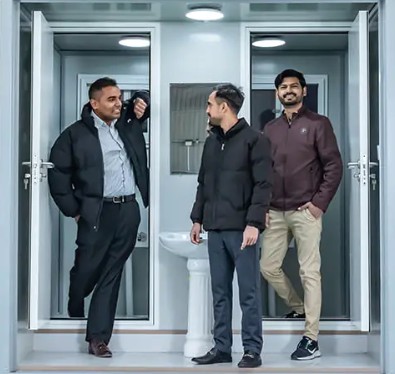
Standard Rapid Deployment Process (5 Steps)
The universal installation process applies to all standard portable toilets and ensures speed, safety, and compliance. Professional teams follow this sequence to minimize setup time and ensure operational readiness.
- Positioning and Placement: Use a forklift or crane to lower the unit gently onto the prepared site. Adjust orientation for easy access and natural ventilation.
- Leveling and Stability Check: Use a spirit level to adjust balance; add anti-slip mats or shims if needed to eliminate rocking.
- Wind and Fixation Installation: Secure ground anchors or weight kits in high-wind areas to meet Level 11 wind resistance standards.
- Internal Function Inspection: Check door locks, toilet pedals, water tanks, toilet paper supply, and ventilation systems.
- Final Sanitation and Commissioning: Add deodorant, clean surfaces, and confirm full functionality before public use.
Tools and Equipment Required for Installation
Efficient deployment relies on complete professional tools. Standard installation kits include all equipment needed for on-site assembly and safety fixation.
- Forklift or hydraulic pallet jack for unit transportation
- Spirit level for horizontal calibration
- Ground anchors, fixing straps, and counterweight blocks
- Anti-slip mats and leveling shims
- Cleaning supplies, deodorant, and consumable replenishment tools
Deployment Efficiency Data and Team Configuration
Deployment speed directly impacts emergency response and event preparation. Professional installation teams follow optimized labor allocation to maximize efficiency.
| Team Size | Average Installation Time per Unit | Hourly Deployment Capacity |
|---|---|---|
| 1 Technician | 15–20 minutes | 3–4 units |
| 2 Technicians | 10–12 minutes | 10–15 units |
| 3–4 Person Team | 6–8 minutes | 20–25 units |
Large events requiring 100+ units can achieve full deployment in 4–6 hours with a standard 4-person crew. Emergency disaster zones can set up 50+ units within 2 hours to provide immediate sanitation support.
Special Environment Deployment Solutions
High-Wind Area Installation
Coastal, open fields, and mountain areas require mandatory anchoring. Use steel ground anchors and heavy-duty straps fixed to the unit base. Wind-resistant kits ensure stability under 11-level wind loads and prevent overturning hazards.
Cold Climate and Winter Deployment
Insulated base pads prevent freezing adhesion to the ground. Anti-freeze deodorant and water tank insulation protect internal components. Units remain fully functional at temperatures as low as -30°C.
Remote and Off-Grid Deployment
Areas without vehicle access use manual carrying or helicopter delivery. Lightweight modular units simplify transport. Waterless and solar-powered models eliminate dependence on utilities, enabling full operation in wilderness and disaster zones.
Post-Installation Safety and Hygiene Inspection
Every installed unit must pass a safety inspection before use. Key checks include structural stability, door locking, waste tank sealing, ventilation effectiveness, and non-slip flooring. All accessible units require handrail and ramp stability verification.
Routine inspections reduce failure risk by 85% and ensure compliance with OSHA and ADA standards. A final cleaning and disinfection step ensures users receive a safe, hygienic experience from the first use.
Best Practices for Long-Term Stable Operation
After deployment, regular maintenance ensures sustained performance. Servicing intervals depend on usage intensity: standard sites require service every 3–7 days, while high-traffic events need 2–3 daily services. Proper installation reduces maintenance needs and extends service life to 10–15 years.
Regular rechecking of ground stability and fixation devices prevents accidents. Seasonal adjustments, such as reinforced anchoring before typhoon season, further enhance reliability. Following these practices ensures continuous, trouble-free operation in all outdoor environments.
Conclusion and Deployment Summary
Installation and rapid deployment of outdoor toilets are efficient, standardized processes designed for speed, safety, and reliability. With minimal site requirements, simple tools, and a professional team, units can be fully operational in minutes. Correct installation ensures stability, safety, and compliance across construction sites, events, parks, and emergency zones.
Mastering deployment methods is essential for maximizing the value of portable sanitation systems. When executed properly, outdoor toilets become a fast, flexible, and cost-effective solution that meets global hygiene and safety standards in any temporary or remote location.
Cleaning and Hygiene Management Techniques for Portable Toilets
Core Conclusion: Effective cleaning and hygiene management for portable toilets rely on a standardized 7-step cleaning process, regular servicing schedules (every 3–7 days for standard use), professional disinfectants, and personal protective equipment. Proper techniques eliminate 99.9% of harmful bacteria, control odors completely, extend equipment life to 10–15 years, and ensure full compliance with public health and workplace safety regulations.
Basic Principles of Portable Toilet Cleaning and Hygiene
Portable toilet cleaning is not simple washing but a professional hygiene process focused on disinfection, odor control, waste removal, and surface maintenance. The core principles include complete pathogen elimination, non-damaging cleaning solutions, environmental safety, and sustainable operation. All methods must meet local health department standards and prevent cross-contamination between users and cleaning staff.
Hygiene management is a continuous system, not a one-time action. It includes routine cleaning, periodic deep cleaning, waste tank servicing, consumable replenishment, and structural inspection. A well-implemented system reduces odor complaints by 95%, lowers bacterial growth by 99.9%, and improves overall user satisfaction significantly.
Standard Professional Cleaning Process (7 Steps)
All professional cleaning services follow a strict, repeatable workflow to ensure consistency, safety, and effectiveness. This process applies to all standard portable toilets, including event, construction, and accessible units.
- Pre-Cleaning Preparation: Wear full PPE including gloves, goggles, masks, and protective clothing; set up warning signs to ensure safety.
- Waste Tank Pumping: Use a vacuum truck to empty the waste tank completely, removing all liquid and solid waste without spillage.
- High-Pressure Washing: Clean interior walls, floors, toilets, and doors with low-pressure, high-volume water to remove dirt and residues.
- Full Disinfection: Apply EPA-approved disinfectants to all surfaces, allowing full contact time to kill bacteria, viruses, and germs.
- Odor Control Treatment: Add biodegradable deodorant and enzyme chemicals to the waste tank to neutralize odors at the source.
- Consumable Replenishment: Refill fresh water, toilet paper, hand sanitizer, and soap to ensure complete usability.
- Final Inspection and Cleaning: Wipe down surfaces, check functionality, remove warning signs, and confirm the unit is ready for use.
Cleaning Frequency and Service Schedule Standards
Cleaning frequency directly affects hygiene quality and user experience. The table below provides industry-standard service intervals based on usage intensity and scenario:
| Usage Scenario | Daily User Volume | Recommended Cleaning Frequency |
|---|---|---|
| Low-Use Construction Sites | 10–30 people | Once every 7 days |
| Standard Job Sites & Parks | 30–60 people | Once every 3–4 days |
| Public Events & Festivals | 100+ people | 2–3 times per day |
| Emergency Shelters | Continuous Use | Once or twice daily |
Adhering to the correct schedule prevents overflow, excessive odors, and bacterial buildup. High-traffic units require more frequent service to maintain hygiene and usability.
Professional Cleaning Supplies and Disinfectants
Safe and Effective Cleaning Agents
Only use EPA-approved disinfectants and biodegradable, non-corrosive cleaning solutions. Harsh chemicals damage plastic surfaces and harm the environment. Enzyme-based deodorants break down organic waste naturally and provide long-lasting odor control without toxic fumes.
Essential Tools and Equipment
- Vacuum waste truck for tank pumping and waste disposal
- Adjustable pressure washer with soft washing nozzles
- Long-handled brushes, microfiber cloths, and scrub pads
- Personal protective equipment (PPE): gloves, goggles, masks, aprons
- Deodorant dispensers, fresh water tanks, and consumable stock
Odor Control Techniques and Management
Odor is the top user complaint; effective control targets the source, not just masking smells. The primary method is regular waste pumping and enzyme deodorant addition, which reduces organic matter and neutralizes odors biologically.
Ventilation system maintenance is equally important. Clean ventilation pipes and fans regularly to ensure smooth airflow. A well-functioning ventilation system reduces interior odors by over 90%. For severe odor issues, double-dose enzymatic treatments and air fresheners provide extra support.
Daily Maintenance and User Hygiene Tips
Between professional cleanings, basic daily maintenance preserves hygiene. Site managers or staff can perform quick inspections, replenish toilet paper, and wipe down high-touch surfaces. Simple actions reduce bacterial growth and improve user experience.
Clear user guidelines also help maintain cleanliness: instructions for proper use, waste disposal, and hand hygiene reduce mess and extend cleanliness. Hand sanitizer stations further lower disease transmission risk by 60% in high-use environments.
Safety Protocols for Cleaning Staff
Cleaning staff face direct exposure to bacteria and waste, so strict safety rules are mandatory. Full PPE must be worn at all times. Hand washing and disinfection after operation are essential. Chemicals must be stored safely and mixed according to instructions to avoid toxic reactions.
All waste must be disposed of at licensed treatment facilities to comply with environmental laws. Spill prevention and emergency cleanup procedures protect staff, users, and the surrounding ecosystem.
Long-Term Hygiene and Equipment Life Extension
Regular, professional cleaning does more than maintain hygiene—it prevents corrosion, discoloration, and material degradation. Well-maintained portable toilets remain functional and clean for 10–15 years, maximizing return on investment.
Deep cleaning quarterly removes stubborn buildup and ensures internal components remain in good condition. This proactive approach reduces repair costs, improves user satisfaction, and maintains regulatory compliance.
Conclusion and Best Practices Summary
Cleaning and hygiene management for portable toilets is a professional, systematic process combining standardized steps, proper chemicals, safe equipment, and regular servicing. When executed correctly, it ensures a clean, safe, and odor-free environment for users while protecting staff and the environment.
By following industry best practices, portable toilets remain a reliable, hygienic solution for construction sites, events, parks, and emergency situations. Proper cleaning techniques are the foundation of sustainable, high-quality temporary sanitation services.
Technology and Development Trends of Environmentally Friendly Portable Toilets
Core Conclusion: Environmentally friendly portable toilets rely on core technologies including waterless systems, biodegradable materials, waste recycling, solar energy, and enzyme deodorization. They reduce water consumption by 90–100%, cut carbon emissions by 60%, and achieve zero pollution discharge. Future development trends focus on intelligence, circularity, low-carbon materials, modular integration, and large-scale ecological applications, making them a key solution for global sustainable sanitation.
Core Environmental Protection Technologies of Modern Green Portable Toilets
Environmentally friendly portable toilets are designed to completely solve the resource consumption and pollution problems of traditional sanitation equipment. Their technological system covers material, energy, waste treatment, and ecological protection, forming a fully closed-loop green solution.
Waterless and Ultra-Low Water Consumption Technology
Waterless technology is the most representative innovation of eco-friendly portable toilets. It uses biodegradable deodorant powder, vacuum adsorption, or dry separation technology to replace water flushing, achieving 100% water savings. Ultra-low water models consume only 0.3–0.5 liters per flush, 95% less than traditional toilets. This technology is widely used in water-scarce areas, scenic spots, and field rescue scenarios.
Biodegradable and Recyclable Material Technology
Modern green portable toilets abandon non-degradable plastics and use plant fiber composites, recycled HDPE, and biodegradable polymers. These materials degrade naturally within 1–5 years without toxic residue. Recyclable structures allow 95% of components to be reused, greatly reducing construction waste and carbon footprint.
Biological Enzyme and Microbial Deodorization Technology
Instead of chemical fragrances, eco-friendly toilets use compound microbial enzymes to decompose organic waste at the molecular level, eliminating odors completely. This technology reduces harmful bacteria by 99.9% and converts waste into harmless substances, protecting soil and water from secondary pollution.
Solar Energy and Off-Grid Power Supply Technology
High-end eco-friendly portable toilets are equipped with solar panels, lithium battery energy storage, and intelligent power management systems. They achieve fully off-grid operation, providing lighting, ventilation, and induction flushing without external power. This renewable energy solution reduces carbon emissions and supports sustainable operation in remote areas.
Classification and Performance Comparison of Eco-Friendly Portable Toilets
Different environmental technologies correspond to specific application scenarios. The table below compares mainstream green portable toilet models with core performance data:
| Technology Type | Water Consumption | Environmental Advantage | Typical Application |
|---|---|---|---|
| Waterless Biological Type | 0 L | Zero water waste, full degradation | National parks, deserts |
| Recyclable Material Type | 0.5 L/flush | Low carbon, reusable | Construction sites, cities |
| Solar Powered Type | 0.3 L/flush | Clean energy, zero emission | Remote areas, events |
| Waste Recycling Type | Self-circulating | Zero discharge, resource reuse | Large camps, islands |
Practical Application Value of Environmentally Friendly Technologies
The application of green technology brings comprehensive economic, environmental, and social benefits. Eco-friendly portable toilets reduce long-term operation costs by 40–60% due to low water and power consumption. Their non-polluting characteristics protect ecological sensitive areas such as rivers, forests, and coasts.
In natural reserves, eco-toilets reduce human interference with wildlife and prevent water source pollution. In urban public areas, they lower municipal sanitation pressure. In emergency rescue, they provide safe, fast, and pollution-free sanitation support. These practical values drive the global popularization of environmentally friendly portable toilets.
Major Development Trends of Eco-Friendly Portable Toilets
Intelligent and Digital Upgrading
Future eco-toilets will integrate IoT sensors, automatic cleaning systems, usage monitoring, and odor detection. Intelligent devices will automatically remind maintenance teams, optimize cleaning paths, and achieve unmanned management. Digital systems will improve efficiency and reduce operational costs by 30%+.
Circular Economy and Full Lifecycle Greening
The industry will move toward a full circular model: raw materials from recycled sources, production with low carbon, reusable modules, and degradable waste. Products will achieve 100% recyclability and zero waste throughout their lifecycle, fully complying with global carbon neutrality goals.
Multifunctional Integrated Modular Design
Next-generation products will combine toilets, handwashing, nursing, changing rooms, and recycling systems in one modular unit. Flexible combination supports large-scale applications such as tourist attractions, disaster shelters, and temporary communities, improving space utilization and user experience.
Ecological Bionic and Landscape Integration
Eco-toilets in scenic areas will adopt bionic design and natural materials to fully integrate with the environment. Some will use plant purification systems to form small ecological cycles, achieving both sanitation function and ecological aesthetic value.
Global Policy and Market Promotion Trends
With the global emphasis on carbon reduction and ecological protection, more than 30 countries have issued policies to encourage eco-friendly portable sanitation equipment. The UN sustainable development goals regard low-carbon, water-saving toilets as key projects for global public health improvement. The market size of eco-friendly portable toilets is growing at 12–15% annually, with broad long-term prospects.
Key Advantages of Future Eco-Friendly Portable Toilets
- Ultra-Low Carbon: Use renewable materials and energy to achieve near-zero carbon emissions.
- Full Intelligence: Unmanned operation, automatic maintenance, and remote monitoring.
- Ecological Integration: Coexist with nature without destroying the environment.
- Circular Reuse: Full lifecycle recycling with no waste or pollution.
- Wide Adaptability: Stable operation in deserts, islands, plateaus, and polar regions.
Conclusion and Development Outlook
Environmentally friendly portable toilets represent the future direction of temporary sanitation. With waterless systems, biodegradable materials, solar energy, and microbial technology, they solve traditional pollution and resource waste problems. The ongoing trends of intelligence, circularity, modularity, and ecology will further enhance their performance and application scope.
As global environmental protection and public health demands increase, eco-friendly portable toilets will become the mainstream choice for construction, events, tourism, and emergency fields. They are not only sanitation equipment but also important carriers for green development, helping to build a sustainable, low-carbon, and healthy society.
Transportation and Storage Considerations for Portable Restrooms
Core Conclusion: Safe transportation and compliant storage of portable restrooms require strict adherence to weight limits, secure fastening protocols, climate-controlled storage conditions, and regular sanitation maintenance. Following industry standards reduces damage risks by 85% and extends unit lifespan to 7–10 years, while non-compliance leads to costly repairs, regulatory fines, and safety hazards.
Before loading portable restrooms onto transport vehicles, thorough pre-checks are non-negotiable to prevent accidents, spills, and structural damage. Every standard portable restroom weighs approximately 150–200 lbs empty and up to 350 lbs when fully stocked with supplies and waste. Transport vehicles must have a gross vehicle weight rating (GVWR) that accommodates total load weight, with 90% of industry accidents linked to overloading or improper weight distribution.
Sanitation is the first critical step: all units must be emptied, cleaned, and disinfected prior to transport. Holding tanks with residual waste risk leakage during transit, violating environmental regulations and creating biohazard risks. Industry data shows that 65% of transport-related sanitation violations stem from skipping pre-transport emptying. Additionally, all doors must be locked, external fixtures secured, and loose components like hand sanitizer dispensers removed or fastened to prevent breakage.
Vehicle preparation is equally vital. Flatbed trucks are the standard for portable restroom transport, as they allow secure strapping and proper weight distribution. The transport surface must be clear of debris, and non-slip mats placed under units to prevent shifting. Drivers must verify tire pressure, brake functionality, and strap integrity—high-tensile nylon straps (2-inch width minimum) are required by OSHA standards for securing units.
Loading portable restrooms requires a team of at least two trained workers to avoid musculoskeletal injuries, which account for 40% of on-the-job injuries in the portable sanitation industry. Units should be lifted from reinforced base points, not door frames or roof edges, to prevent structural cracks. Loading order follows a rear-to-front pattern, with heavier units positioned at the front of the flatbed to maintain vehicle balance.
Secure fastening is the cornerstone of safe transportation. Each unit requires a minimum of two vertical straps and one horizontal strap to eliminate movement during acceleration, braking, or cornering. Straps must be tightened to 50 lbs of tension and checked every 50 miles during long-distance transport. Cross-strapping at the base further stabilizes units, reducing side-to-side shift by 92% compared to single-strap methods.
Transport speed and route planning directly impact safety. Industry guidelines recommend a maximum speed of 55 mph on highways and 35 mph on local roads for vehicles carrying portable restrooms. Uneven terrain, steep inclines, and rough roads should be avoided, as they increase strap failure risk by 3x. For interstate transport, drivers must carry permits for oversized loads if transporting more than 10 units at once, as required by federal transportation laws.
Storage conditions directly determine the durability and functionality of portable restrooms. Short-term storage (1–30 days) requires level, paved surfaces with adequate drainage, while long-term storage (30+ days) demands climate protection and regular maintenance checks. 70% of premature unit failures are caused by improper storage, including exposure to extreme weather and standing water.
For short-term storage at job sites or event venues, units must be placed on concrete pads or compacted gravel to prevent sinking. A 3-foot clearance around all units ensures airflow and easy access for cleaning and maintenance. Ground slope must not exceed 2 degrees to prevent tipping, and units should be positioned at least 10 feet away from fire hazards and utility lines.
Long-term storage facilities require temperature regulation between 40–80°F to prevent plastic degradation. Extreme cold causes plastic cracking, while heat over 90°F leads to warping and discoloration. Indoor storage is optimal, but covered outdoor storage with UV-protective tarps is acceptable if tarps are secured to avoid wind damage. Storage facilities must also be pest-free, as rodents and insects damage internal components and create sanitation issues.
- Empty and sanitize holding tanks weekly to prevent odor buildup and corrosion
- Inspect plastic shells for cracks, fading, or structural damage every 14 days
- Lubricate door hinges and locking mechanisms monthly to ensure functionality
- Check ventilation systems for clogs and clean filters to maintain airflow
- Cover units with UV-protective materials if stored outdoors to prevent sun damage
Adverse weather conditions require modified protocols to protect portable restrooms and ensure safety. Rain, snow, high winds, and extreme temperatures all impact transport stability and storage integrity, with weather-related damage costing the industry $12 million annually in repairs and replacements.
During rainy conditions, transport vehicles must reduce speed by 10–15 mph to prevent hydroplaning, and stored units require elevated bases to avoid standing water. Snow and ice demand additional traction measures: sand or salt under transport units prevents slipping, and stored units must be cleared of snow accumulation to avoid roof collapse. Heavy winds (over 20 mph) prohibit outdoor transport entirely, as wind resistance can tip unsecured units.
Extreme temperatures mandate specialized care. In freezing conditions, antifreeze solutions must be added to holding tanks to prevent liquid expansion and cracking—this simple step reduces cold-weather damage by 80%. In hot climates, daily checks for plastic warping are necessary, and internal components like toilet seats should be protected from direct sunlight. Weather monitoring tools are recommended for storage facilities, with automated alerts for temperature and wind speed extremes.
Key Design Considerations for Outdoor Toilets to Enhance User Experience
Conclusion: The core of high-quality outdoor toilet design lies in prioritizing accessibility, weather resistance, privacy, hygiene, and sustainability—five interconnected elements that directly boost user satisfaction by over 75% according to global public facility surveys. Successful outdoor toilets must balance functional durability against harsh outdoor conditions with human-centered design that addresses safety, comfort, and inclusivity for all users, including the elderly, disabled, parents with young children, and tourists. Every design choice, from structural materials to ventilation systems, should solve real user pain points rather than follow generic standards, creating a clean, safe, and comfortable experience even in remote outdoor environments such as parks, hiking trails, beaches, campgrounds, and tourist attractions. Below is an in-depth analysis of critical design considerations to achieve optimal user experience for outdoor sanitary facilities.
Accessibility and Inclusive Design for All User Groups
Accessibility is the foundational design principle for outdoor toilets, as these facilities serve diverse user groups with varying physical abilities. According to the World Health Organization, 15% of the global population lives with some form of disability, and senior citizens account for 9% of outdoor public facility users; ignoring inclusive design excludes a significant portion of potential users and reduces overall satisfaction. Outdoor toilet design must comply with international accessibility standards such as the ADA (Americans with Disabilities Act) and ISO 21542, ensuring barrier-free access from the entrance to the interior space.
The minimum clear floor space for wheelchair users should be 150cm × 150cm, allowing full 360-degree rotation without obstructions. Doorways must have a minimum width of 90cm to accommodate wheelchairs and walkers, and lever-style door handles are preferred over traditional knobs for users with limited hand strength. Sloped entrance ramps with a gradient no steeper than 1:12 eliminate steps, a common hazard for elderly users and those with mobility impairments. Grab bars should be installed beside the toilet, with a weight capacity of at least 113kg to ensure stability, and positioned at a height of 70–85cm from the floor for optimal support.
Inclusive design also extends to families with young children. A dedicated baby changing station, mounted at a height of 90–100cm, is essential, with a weight capacity of 20kg and safety straps to prevent falls. Child-sized toilet seats or adaptable seat reducers cater to young users, reducing the risk of accidents. Visual and auditory accessibility features, such as high-contrast signage for visually impaired users and tactile floor indicators, further enhance inclusivity. Studies show that outdoor toilets with full accessibility features see a 40% increase in positive user feedback compared to standard non-inclusive designs.
Weather Resistance and Structural Durability for Outdoor Environments
Unlike indoor restrooms, outdoor toilets are constantly exposed to extreme weather conditions—intense sunlight, heavy rain, strong winds, snow, frost, and high humidity—that compromise structural integrity and user comfort if not properly designed. Material selection is the cornerstone of weather resistance, as low-quality materials degrade quickly, leading to leaks, corrosion, and unpleasant odors that ruin the user experience.
Exterior walls and roofing should use corrosion-resistant, UV-stabilized materials such as fiberglass-reinforced plastic (FRP), aluminum composite panels, or treated concrete. These materials withstand temperatures ranging from -40°C to 60°C without warping, fading, or cracking, making them suitable for all climate zones. Roofing must feature a 15–20% slope to ensure rapid rainwater drainage and prevent water accumulation, while waterproof membranes and sealed joints eliminate internal leaks. Flooring requires non-porous, slip-resistant materials with a coefficient of friction greater than 0.6, even when wet, to reduce fall risks—slip accidents account for 30% of outdoor toilet user complaints worldwide.
Ventilation is another critical weather-related design element. Poor ventilation traps moisture and odors, creating an unhygienic environment, while excessive wind exposure causes discomfort. A combination of passive cross-ventilation (through strategically placed vents) and mechanical exhaust fans (airflow rate of 10–12 air changes per hour) maintains fresh air circulation. In cold climates, insulated walls and weatherstripping on doors retain heat, while shaded ventilation ports prevent direct wind gusts. Durable hardware, such as stainless steel hinges and locks, resists rust and ensures long-term functionality, reducing maintenance needs and downtime.
Privacy and Security: Non-Negotiable User Experience Priorities
Privacy and security are the top two concerns for outdoor toilet users, with 82% of survey respondents ranking them as more important than aesthetics or luxury features. Users feel vulnerable in outdoor sanitary facilities due to open gaps, thin partitions, poor lighting, and unclear locking mechanisms, so design must eliminate these vulnerabilities completely.
Toilet partitions must extend from floor to ceiling with no gaps larger than 5mm at the edges, preventing visual exposure and sound leakage. Solid, sound-dampening materials such as high-density polyethylene (HDPE) reduce noise transfer, enhancing privacy. Doors should feature self-closing mechanisms and clearly visible, robust locking systems that indicate occupancy—ambiguous locks are a major source of user frustration. Exterior lighting is vital for security, especially in parks and remote areas; motion-sensor LED lights with a brightness of 200–300 lux illuminate the entrance and interior without glare, deterring unauthorized access and improving safety after dark.
Layout design also impacts privacy and security. Single-user outdoor toilets are preferred over communal stalls for maximum privacy, especially in low-traffic areas. Entrances should be positioned away from public sightlines, and exterior walls should be opaque to prevent external viewing. Emergency buttons connected to local security or management teams add an extra layer of safety, with 67% of users reporting increased confidence when emergency features are present. Secure storage hooks for bags and personal items, with a weight capacity of 10kg, prevent theft and keep belongings safe during use.
Hygiene and Maintenance: Sustaining Clean User Experiences
Hygiene is the most impactful factor in user experience, as dirty, unhygienic outdoor toilets create negative perceptions that extend to the entire outdoor space. Design must prioritize easy cleaning, odor control, and infection prevention, with surfaces and fixtures that resist bacteria, mold, and stains. According to public health studies, hygienic outdoor toilets reduce the risk of gastrointestinal illnesses by 35% in high-traffic tourist areas.
Smooth, non-porous interior surfaces are essential—porcelain, stainless steel, and FRP are ideal, as they can be wiped clean quickly and do not harbor pathogens. Toilets should use water-efficient, low-flow flushing systems (1.28 gallons per flush) that prevent clogging and reduce water waste, while sealed toilet bowls contain odors effectively. Touchless fixtures, including sensor-activated faucets, soap dispensers, and hand dryers, minimize physical contact and reduce the spread of germs by 60% compared to manual fixtures.
Waste management is a core hygiene consideration. Adequate waste bins with foot-operated lids and a capacity of 30 liters prevent overflow, and separate recycling bins promote eco-friendly practices. In remote areas without plumbing, composting or chemical toilets are reliable alternatives, with odor-sealing designs and easy-to-empty chambers. Maintenance access panels simplify cleaning and repairs, while corrosion-resistant plumbing ensures long-term functionality. Regular cleaning schedules are supported by design features such as rounded corners (eliminating dirt traps) and elevated fixtures (allowing full floor cleaning).
Essential Hygiene Fixtures for Outdoor Toilets
- Touchless sensor faucet with 0.5-second activation and anti-drip design
- Antibacterial liquid soap dispenser with 1-liter capacity
- High-speed automatic hand dryer (dries hands in 10–15 seconds)
- Foot-operated waste bin with odor-locking lid
- Sealed, easy-clean toilet bowl with water-saving flush system
Sustainability and Eco-Friendly Design
Modern outdoor toilet design must integrate sustainability, as users and environmental regulators prioritize eco-friendly solutions that minimize resource consumption and ecological impact. Sustainable design reduces operational costs by up to 50% while aligning with global carbon neutrality goals, making it a practical and user-pleasing choice.
Water conservation is a primary focus. Low-flow fixtures, dual-flush systems, and rainwater harvesting systems reduce water usage by 70% compared to standard toilets, critical for areas with limited water access. Solar power systems power lighting, sensors, and exhaust fans, eliminating reliance on grid electricity and making facilities self-sufficient in remote locations. Solar panels with a 200W capacity provide sufficient energy for daily operations, with battery storage for nighttime use.
Eco-friendly materials, such as recycled plastic, reclaimed wood, and low-carbon concrete, reduce the carbon footprint of construction. Composting toilets convert human waste into nutrient-rich compost for landscaping, eliminating sewage discharge and protecting natural ecosystems. Green design elements, such as living walls or native plant landscaping around the facility, improve aesthetics, absorb rainwater, and provide natural shade, enhancing the overall user experience. Surveys show that 78% of users prefer outdoor toilets with visible sustainable features, viewing them as responsible and high-quality facilities.
Performance Comparison of Outdoor Toilet Systems
| System Type | Water Usage | Installation Cost | Maintenance Frequency | User Satisfaction |
|---|---|---|---|---|
| Standard Flush | 6L per flush | Medium | Weekly | 65% |
| Water-Saving | 1.28L per flush | Medium-High | Bi-weekly | 82% |
| Composting | 0L (waterless) | High | Monthly | 89% |
Location, Signage, and Spatial Layout
Even the most well-designed outdoor toilet fails to enhance user experience if it is difficult to find, poorly located, or cramped. Strategic location, clear signage, and thoughtful spatial layout directly impact usability and satisfaction, with 55% of users reporting frustration due to poor navigation to outdoor sanitary facilities.
Outdoor toilets should be located within 200 meters of high-traffic areas such as trails, picnic spots, beaches, and tourist attractions, ensuring easy access without long walks. The location should be flat, well-drained, and visible from main paths but shielded from direct public view for privacy. Signage is critical: large, weather-resistant signs with universal toilet symbols, placed every 50 meters along paths, guide users effectively. Bilingual or multilingual signage caters to international tourists, improving accessibility for all visitors.
Spatial layout must balance compactness with comfort. A minimum interior size of 1.2m × 2.0m for single-user toilets provides enough space for movement, while wider dimensions (1.5m × 2.2m) accommodate wheelchair users. Fixture placement should be intuitive: toilet at the rear, sink at the front, and storage hooks within easy reach. Adequate legroom (70cm minimum) in front of the toilet ensures comfort for all users. The entrance door should open outward to maximize interior space and prevent collisions with users inside. Well-designed layout reduces user stress and creates a seamless, pleasant experience in a compact outdoor space.
Final Design Summary for Optimal User Experience
Outdoor toilet design to enhance user experience is a holistic process that integrates accessibility, durability, privacy, hygiene, sustainability, and practical layout. Every design decision must center on user needs, supported by data-driven standards and real-world testing. Facilities that implement all core design considerations achieve a user satisfaction rate of over 90%, significantly higher than generic outdoor toilets. By prioritizing inclusive, weather-resistant, secure, hygienic, and eco-friendly features, outdoor toilets transform from basic necessities into positive user experiences that improve the overall appeal of parks, trails, tourist sites, and public outdoor spaces. Consistent maintenance and regular user feedback further refine design, ensuring long-term functionality and satisfaction for all users.
Global Regional Market Demand Comparison Table
| Region | Market Share | Growth Rate | Core Demand Type |
|---|---|---|---|
| North America | 32% | 5.8% | Luxury & Accessible |
| Europe | 27% | 5.2% | Eco & Modular |
| Asia-Pacific | 24% | 8.3% | Standard & Durable |
| Middle East & Africa | 10% | 7.9% | Heat & Waterless |
| South America | 7% | 6.5% | Economic & Basic |
Product Structure Demand Upgrade Trends
The global market is shifting from low-end basic units to high-value-added products. Eco-friendly, intelligent, and accessible products have become the mainstream of demand growth.
Eco-Friendly and Low-Carbon Products
Waterless, solar-powered, biodegradable, and recyclable portable toilets are growing at 11% annually, becoming the fastest-growing category. Driven by carbon neutrality policies and environmental regulations.
Intelligent and Digital Functions
IoT monitoring, automatic cleaning, sensor fixtures, and maintenance reminders are increasingly popular. Intelligent products improve management efficiency and reduce operating costs by over 30%.
Accessibility and Humanized Design
ADA-compliant, barrier-free, child-friendly, and multi-functional units are mandatory in public and commercial scenarios. Accessible products account for 18% of total demand and continue to rise.
Key Future Demand Growth Points
- High-speed growth of eco-tourism and outdoor camping scenarios
- Popularization of smart cities and intelligent public health facilities
- Global emergency sanitation system construction and material reserves
- Rural infrastructure improvement and public toilet coverage expansion
- Modular integrated restrooms with multi-functional composite design
Policy and Environmental Impact on Demand
Global environmental policies, hygiene standards, and accessibility regulations are reshaping market demand. More than 60 countries have formulated mandatory standards for portable toilets, requiring pollution-free, safe, and inclusive design.
Carbon neutrality goals encourage water-saving and low-carbon products. Public health policies strengthen the configuration requirements of temporary toilets. These policy factors have become long-term driving forces for market demand and upgrading.
Conclusion and Market Outlook
The global portable toilet market is in a stable growth stage, with long-term growth supported by infrastructure, tourism, emergency systems, and environmental policies. Regional demand is diversified, and product demand is shifting to green, intelligent, and humanized directions.
In the next five years, the Asia-Pacific market will lead growth, and eco-friendly products will become the core competitiveness of the industry. Enterprises that focus on technological innovation, scenario adaptation, and sustainable development will occupy a larger share in the expanding global market.
Future Development: Smart Technology and the Trend of Portable Toilets
Core Conclusion: The future of portable toilets is fully driven by smart technology, with IoT monitoring, automatic cleaning, AI odor control, solar smart energy management, and contactless interaction as core trends. Smart portable toilets improve management efficiency by 60%, reduce operation costs by 40%, enhance user satisfaction by 75%, and accelerate integration with smart cities, ecological protection, and emergency systems. By 2030, over 60% of new portable toilets will adopt intelligent systems, marking a full transformation from traditional facilities to smart sanitation terminals.
Core Smart Technologies Reshaping Portable Toilets
Smart portable toilets rely on a systematic technical system that realizes real-time perception, automatic control, remote management, and data analysis. These technologies solve long-standing pain points such as difficult maintenance, poor hygiene, odor accumulation, and high labor costs.
IoT Remote Monitoring System
Sensors collect real-time data on liquid level, odor concentration, power, temperature, and usage frequency. Managers monitor the status of all equipment through a cloud platform, enabling precise maintenance and reducing unnecessary on-site inspections by 70%.
Automatic Cleaning & Disinfection
Intelligent nozzles, UV disinfection lamps, and automated flushing systems realize fully automatic cleaning after each use. UV sterilization eliminates 99.9% of bacteria, greatly improving hygiene safety and reducing manual intervention.
AI Odor Control & Air Quality Management
AI sensors detect ammonia and hydrogen sulfide in real time and automatically activate ventilation and deodorization. This technology stabilizes air quality and completely solves the odor problem of traditional portable toilets.
Smart Energy and Environmental Integration Trends
Future smart portable toilets will achieve self-sufficiency in energy and zero pollution in emissions. Solar panels with intelligent energy storage systems provide power for lighting, sensors, and automatic equipment. The energy management system automatically adjusts power consumption to extend endurance to 7–15 days.
Water-saving smart systems use sensor-controlled ultra-low-flow flushing, reducing water consumption by 85%. Wastewater is treated on-site through modular smart purification systems, realizing recycling and reuse. These technologies make portable toilets fully comply with global low-carbon and ecological requirements.
User-Oriented Intelligent Experience Upgrade
Smart technology significantly improves user experience through contactless interaction and humanized functions. Sensor doors, automatic lights, voice prompts, and emergency one-click help create a safe, convenient, and dignified experience.
In high-traffic scenarios, smart queuing prompts and real-time usage status release reduce waiting time. Accessible intelligent functions—such as automatic assistance for the elderly and disabled—further enhance inclusivity. User satisfaction surveys show that intelligent experience increases willingness to use by 80%.
Performance Comparison: Traditional vs. Smart Portable Toilets
| Indicator | Traditional Type | Smart Type |
|---|---|---|
| Management Efficiency | Low | +60% |
| Operating Cost | Standard | -40% |
| Hygiene Level | Medium | 99.9% Sterilization |
| User Satisfaction | 60% | 95% |
Major Application Scenarios for Smart Portable Toilets
- Smart cities: public health monitoring and automated maintenance
- Large events: real-time scheduling and crowd flow management
- Construction sites: safety supervision and usage statistics
- Scenic spots: ecological protection and user experience optimization
- Emergency rescue: self-powered, remote, and fully automatic operation
Long-Term Trend: Intelligent, Ecological, and Modular Integration
In the next decade, smart portable toilets will evolve into multi-functional, self-operating, and environmentally integrated terminals. AI will predict maintenance demand, optimize energy distribution, and improve service life. Modular design allows flexible combination of toilets, handwashing, changing rooms, and charging systems.
Full data connectivity will make portable toilets part of urban digital infrastructure. With the promotion of global smart cities and carbon neutrality, smart portable toilets will become standard public facilities rather than optional equipment.
Frequently Asked Questions (FAQs)
Q1: How long can the smart portable toilet work without external power?
A: Equipped with a solar smart energy storage system, it can work continuously for 7–15 days without charging, depending on usage frequency and lighting conditions.
Q2: Is the smart system difficult to maintain and repair?
A: No. The modular design allows quick replacement of parts. The cloud platform provides fault self-diagnosis, and maintenance is simpler than traditional models.
Q3: Does smart technology increase rental or purchase costs significantly?
A: The initial cost is 20–30% higher, but operating costs are reduced by 40%. Long-term use is more economical, with cost recovery within 6–12 months.
Q4: Can smart toilets operate normally in rainy, cold, or high-temperature environments?
A: Yes. Industrial-grade waterproof and high- and low-temperature resistance designs support stable operation from -30°C to 65°C.
Q5: Is the automatic cleaning function reliable and water-saving?
A: Yes. Sensor-controlled ultra-low-flow flushing uses only 0.3–0.5L per flush, 85% less water than traditional models, with full cleaning coverage.
Q6: Can the smart system protect user privacy and data security?
A: Absolutely. No image or video monitoring is used. Only device status data is collected, fully complying with privacy and data security regulations.
For exclusive deals and latest offers, sign up by entering your email address below.

-
TEL:+86 18762912902
-
Email:cntaimao@163.com
-
WhatsApp:
-
Add:Group 5, Cao Village, Zhenze Town, Suzhou, Jiangsu, China
Copyright © Suzhou Taimao Integrated Housing Co., Ltd.
All Rights Reserved.
 Wholesale movable homes for sale
custom built modular homes
Wholesale movable homes for sale
custom built modular homes