

 EN
 русский
 Español
 عربى
 Français
Our insulation panels keep rooms warm in cold weather and cool in hot summer, very popular in Africa, Southeast Asia and Europe markets.
Admin 2026-09-19Content
- 1 Thermal Comfort in Every Season
- 2 Engineered for Year‑Round Thermal Performance
- 3 How the Panels Work
- 4 Popular in Africa, Southeast Asia, and Europe
- 5 Reducing Energy Demand
- 6 Suitable for Different Building Types
- 7 Frequently Asked Questions
- 7.1 How do the panels keep rooms warm in cold weather?
- 7.2 How do they keep rooms cool in hot weather?
- 7.3 Can the panel thickness be adjusted for different climates?
- 7.4 Are the panels suitable for humid environments?
- 7.5 Do the panels require additional insulation?
- 7.6 Which markets commonly use these panels?
- 8 Insulation Performance Overview
- 9 Conclusion
Thermal Comfort in Every Season
The internal comfort of a building depends heavily on how well its envelope manages heat flow. In cold weather, heat escapes through walls and roofs; in hot weather, external heat penetrates inward. Both situations lead to discomfort and higher energy use for heating or cooling. Effective insulation addresses both problems at once by slowing the transfer of heat across the building envelope.
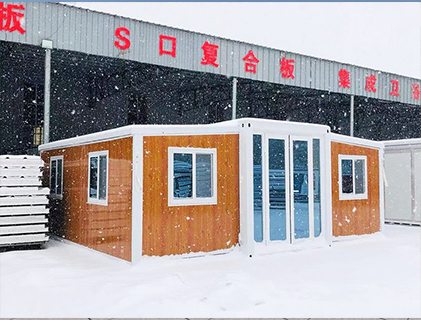
Our insulation panels keep rooms warm in cold weather and cool in hot summer. This year‑round performance has made them particularly popular in markets with demanding climates, including Africa, Southeast Asia, and Europe.
Engineered for Year‑Round Thermal Performance
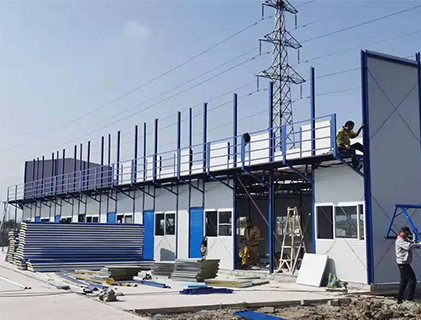
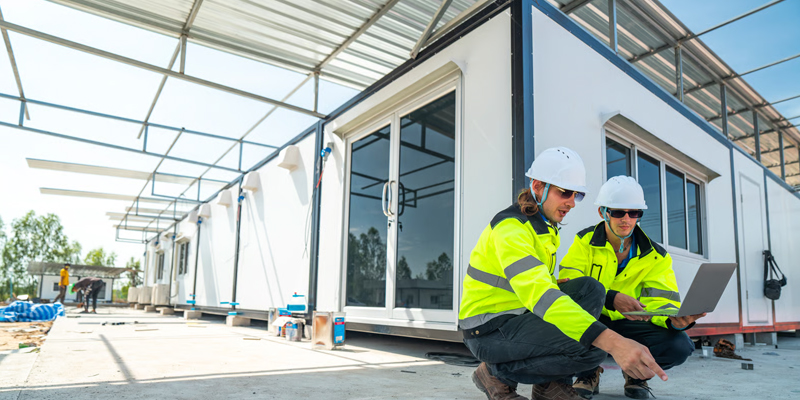
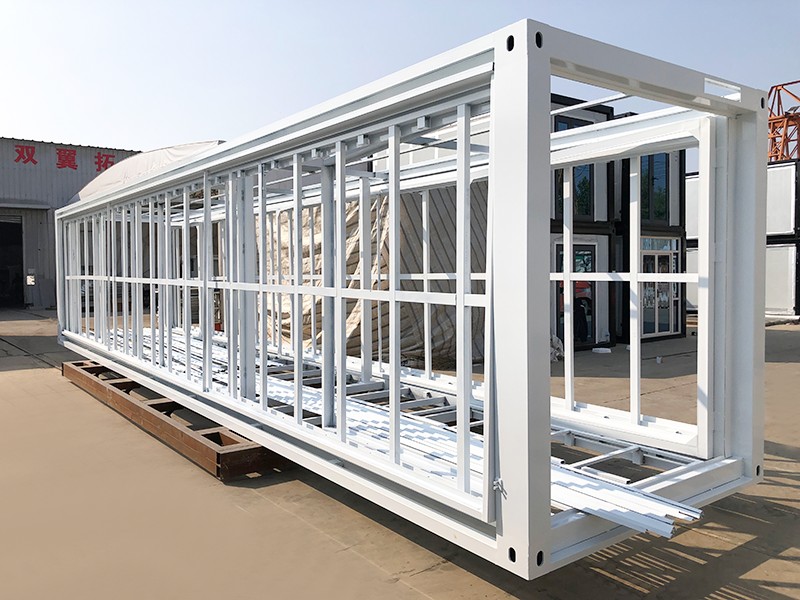
Suzhou Taimao Integrated Housing Co., Ltd. specializes in delivering globally certified modular building solutions. Our flagship SIP (Structural Insulated Panel) modular building system integrates structure, insulation, MEP (mechanical, electrical, plumbing), HVAC, interior finishes, and smart home technologies into a single, unified solution. This rapid assembly technology shifts the majority of on‑site construction and finishing work to controlled factory environments.
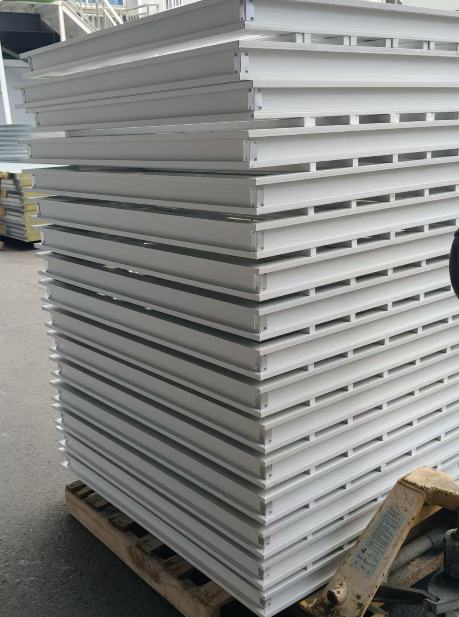
At the core of the panel is a high‑density insulating foam that provides continuous thermal resistance across the entire wall and roof surface. Because the insulation is sandwiched between structural facings, there are no gaps or thermal bridges of the kind found in some traditional frame constructions. This continuous layer is what allows the panel to perform consistently in both heating and cooling seasons.
In winter, the foam core reduces heat loss from the interior, helping to maintain a comfortable temperature with less heating input. In summer, the same core resists the inward flow of external heat, reducing the load on cooling systems.
How the Panels Work
The thermal performance of the panels comes from several design characteristics working together:
- High‑density foam core – provides a high R‑value per unit of thickness, slowing heat conduction
- Continuous insulation – covers the full envelope, reducing thermal bridging at joints
- Sealed connections – minimize air leakage that can undermine insulation performance
- Adjustable thickness – panel thickness can be specified to match the climate zone and required performance
These features allow the same basic system to be adapted for different climate zones by adjusting panel specifications.
Popular in Africa, Southeast Asia, and Europe
The year‑round thermal performance of our insulation panels has found particular acceptance in three broad markets, each with its own climate profile:
- Africa – high daytime temperatures in many regions make cooling essential, while some areas experience cooler nights or seasons where heat retention is valuable
- Southeast Asia – hot and humid conditions year‑round, where reducing heat gain helps maintain indoor comfort and manage energy use
- Europe – distinct cold winters and warm summers, where the same panel provides effective performance across both seasons
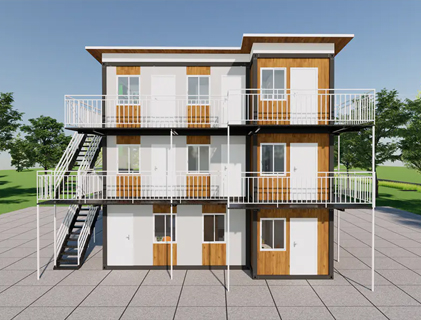
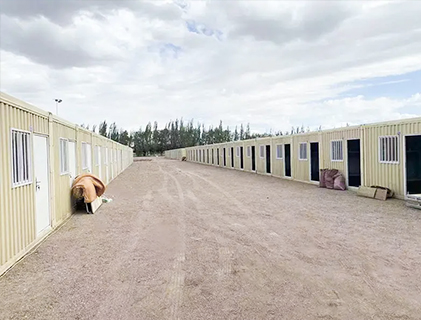
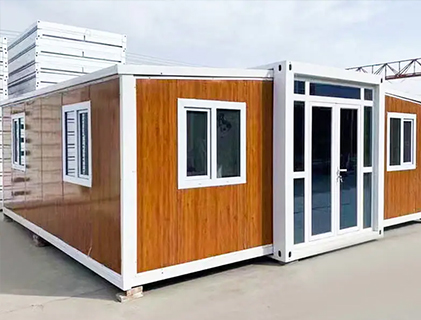
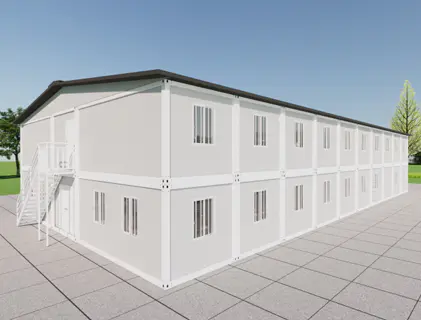
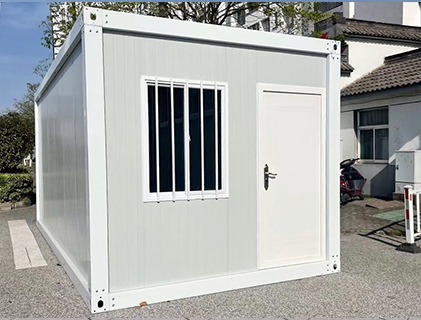
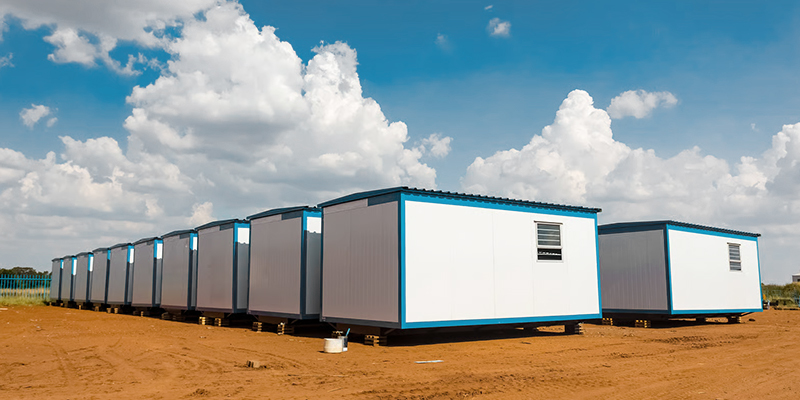
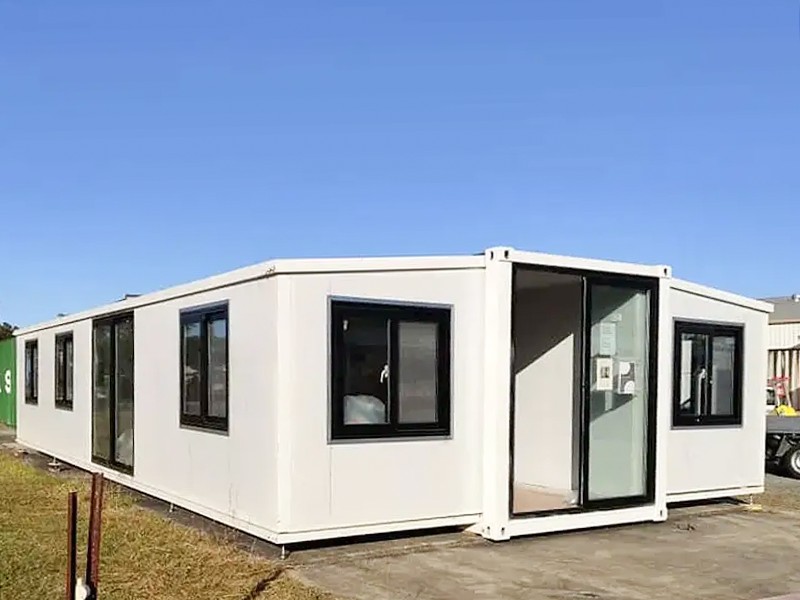
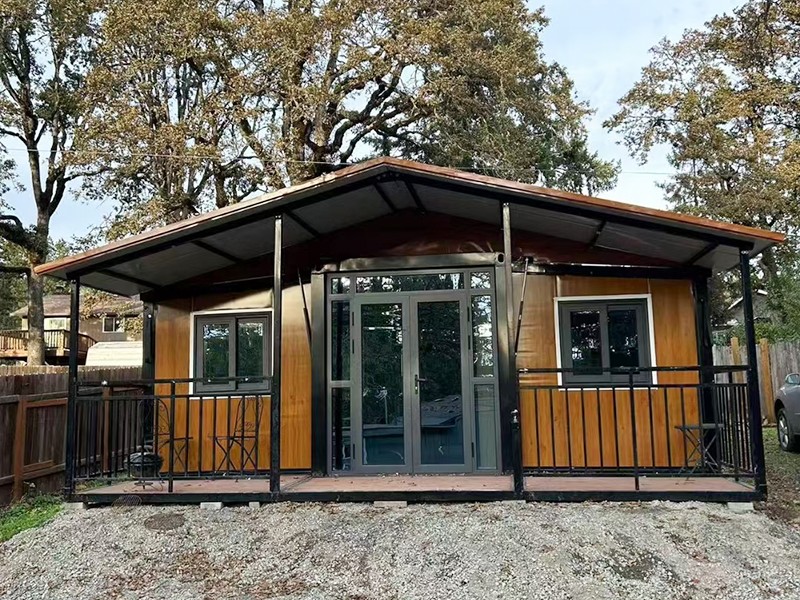
In each of these markets, the panels have been selected for container houses, worker camps, commercial units, and residential buildings where thermal comfort is a priority.
Reducing Energy Demand
Beyond comfort, effective insulation reduces the energy required to maintain a comfortable indoor environment. In hot climates, less electricity is needed to run air conditioning; in cold climates, less fuel or electricity is needed for heating. For project operators, this can mean lower running costs over the life of the building.
The reduced energy demand also aligns with sustainability objectives, as lower energy consumption translates into lower associated emissions from power generation or fuel use.
Because the insulation is integrated into the structural panel, the thermal performance does not depend on additional layers that could be damaged or omitted during construction.

Suitable for Different Building Types
The insulation panels are used across a range of building types where thermal comfort matters:
- Worker accommodation – for construction, mining, and infrastructure projects in varying climates
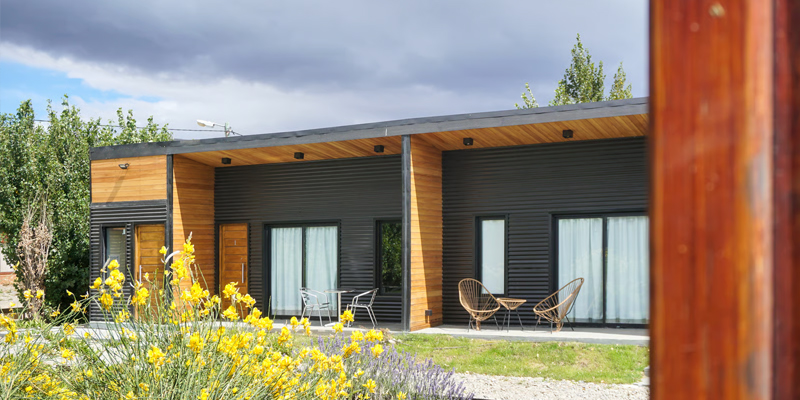
- Residential units – villas, homes, and homestays where comfort is a primary consideration
- Commercial spaces – shops, offices, and service buildings where a stable indoor climate supports daily operations
- Institutional facilities – schools, clinics, and community buildings that serve people throughout the year
The ability to specify panel thickness for the local climate means the same product family can serve projects in very different regions.
Frequently Asked Questions
How do the panels keep rooms warm in cold weather?
The high‑density foam core slows the transfer of heat from inside to outside, reducing heat loss. This helps maintain indoor temperatures with less heating input.
How do they keep rooms cool in hot weather?
The same insulation resists the inward flow of external heat, reducing heat gain. This lessens the load on cooling systems and helps maintain a comfortable indoor temperature.
Can the panel thickness be adjusted for different climates?
Yes. Panel thickness can be specified based on the local climate zone and the desired thermal performance. Thicker panels are available for more extreme conditions.
Are the panels suitable for humid environments?
Yes. The foam core is closed‑cell and resistant to moisture absorption. Sealed connections further protect against humidity ingress.
Do the panels require additional insulation?
In most cases, the integrated insulation is sufficient for the intended climate when the correct thickness is specified. For extreme conditions, additional measures can be discussed.
Which markets commonly use these panels?
They are widely used in Africa, Southeast Asia, and Europe, as well as in other regions with demanding thermal conditions. The panel specification is adapted to the local climate.
Insulation Performance Overview
The table below summarizes the thermal performance features of the insulation panels.
| Feature | Description |
|---|---|
| Core Material | High‑density closed‑cell foam |
| Thermal Performance | High R‑value per unit thickness |
| Seasonal Function | Reduces heat loss in winter and heat gain in summer |
| Thickness Options | Adjustable for different climate zones |
| Moisture Resistance | Closed‑cell foam, sealed connections |
| Common Markets | Africa, Southeast Asia, Europe, and other regions |
Conclusion
Insulation panels that keep rooms warm in cold weather and cool in hot summer provide year‑round comfort and reduce energy demand. Their performance has made them a popular choice in Africa, Southeast Asia, and Europe, as well as in other regions with demanding climates.
Suzhou Taimao Integrated Housing Co., Ltd. brings together industry‑leading modular design, proprietary manufacturing technologies, and end‑to‑end digital software support to deliver globally certified solutions. Our mission is to accelerate project timelines, boost operational efficiency, minimize ecological impact, and uphold uncompromising standards of quality and safety. The SIP modular building system exemplifies this commitment, providing a unified platform that integrates structure, insulation, MEP, HVAC, interior finishes, and smart home technologies into a single, cohesive package.
We invite clients to contact us to discuss the appropriate insulation specification for their project location and building type.
For exclusive deals and latest offers, sign up by entering your email address below.

-
TEL:+86 18762912902
-
Email:cntaimao@163.com
-
WhatsApp:
-
Add:Group 5, Cao Village, Zhenze Town, Suzhou, Jiangsu, China
Copyright © Suzhou Taimao Integrated Housing Co., Ltd.
All Rights Reserved.
 Wholesale movable homes for sale
custom built modular homes