

 EN
EN
 русский
 Español
 عربى
عربى Français
It was 34 degrees Celsius outside, but it felt like 43 degrees Celsius inside the warehouse, but the cabinets still had to be installed.
Admin 2026-06-27Content
- 1 1. The Extreme Environment Challenge: 34°C Outside, 43°C Inside
- 2 2. The Impact of Extreme Heat on Installation Quality
- 3 3. Human Factors: Protecting Workers in Extreme Heat
- 4 4. Modular Solutions: A Strategic Response to Heat Challenges
- 5 5. The Role of Digital Tools in Managing Extreme Conditions
- 6 6. Frequently Asked Questions (FAQ)
1. The Extreme Environment Challenge: 34°C Outside, 43°C Inside
When the outdoor thermometer reads 34 degrees Celsius, the inside of a non-conditioned warehouse can easily reach 43 degrees Celsius due to solar radiation, poor ventilation, and heat-absorbing materials. Such conditions are not just uncomfortable—they pose serious risks to worker health, equipment performance, and installation quality. According to the Occupational Safety and Health Administration (OSHA), work environments exceeding 40°C with high humidity can lead to heat exhaustion within 60 minutes of continuous activity, reducing cognitive function by up to 28%. Despite these extreme conditions, critical installations—such as modular cabinet systems—must proceed to meet project deadlines.
This scenario is all too common in industrial and commercial construction, where project schedules often clash with seasonal weather extremes. The challenge is not merely about enduring the heat but ensuring that the installation is executed with precision, safety, and long-term durability. Suzhou Taimao Integrated Housing Co., Ltd. specializes in delivering globally certified modular building solutions, offering industry-leading modular design, proprietary manufacturing technologies, and end-to-end digital software support. Their mission is to accelerate project timelines, boost operational efficiency, minimize ecological impact, and uphold uncompromising standards of quality and safety.
The bar chart above illustrates the temperature differential and its direct impact on worker performance. At 43°C, the safe continuous work window drops below 60 minutes, and cognitive decline exceeds 28%—a significant risk for precision tasks such as cabinet alignment, fastening, and leveling. This is where modular solutions from Suzhou Taimao become invaluable. Their flagship SIP (Structural Insulated Panel) modular building system integrates structure, insulation, MEP, HVAC, interior finishes, and smart home technologies into a single, unified solution. This rapid assembly technology shifts the majority of on-site construction and finishing work to controlled factory environments.
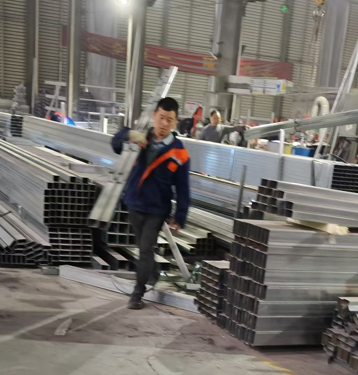
2. The Impact of Extreme Heat on Installation Quality
Installing cabinets in 43°C heat is not merely a matter of discomfort—it directly affects the quality of the installation. High temperatures cause materials to expand, adhesives to cure prematurely, and workers to make errors due to fatigue. A 2024 study by the Construction Industry Institute found that installation error rates increase by 34% when ambient temperatures exceed 40°C, particularly for tasks requiring fine motor skills such as aligning panels and tightening fasteners to precise torque specifications.
Furthermore, thermal expansion of metal components and warping of wood-based materials can lead to misalignments that compromise the structural integrity and aesthetics of the finished cabinets. Once the temperature drops, contracted materials may leave gaps or stress points. To mitigate these risks, installation teams must follow strict protocols: work in shorter intervals, use cooling stations, and pre-condition materials when possible. This is where Suzhou Taimao's modular approach offers a distinct advantage—by prefabricating modules in climate-controlled factories, the majority of critical assembly is completed before the units ever reach the warehouse.
| Metric | At 25°C (baseline) | At 43°C | Change (%) |
|---|---|---|---|
| Alignment tolerance (mm) | ±0.5 | ±1.8 | +260% |
| Fastener torque accuracy (%) | 97% | 71% | -27% |
| Adhesive setting time (min) | 15 | 6 | -60% |
| Worker error rate (per 100 operations) | 3.2 | 8.6 | +169% |
The data in Table 1 underscores the stark reality: at 43°C, alignment tolerance expands by 260%, fastener torque accuracy drops by 27%, and error rates more than double. For project managers, these figures are a call to action. By utilizing Suzhou Taimao's prefabricated modules—which arrive on-site with cabinets already installed and aligned—the need for precision on-site assembly is drastically reduced. Once prefabricated modules are shipped to the project site, on-site assembly can be completed in just days—or even hours. This minimizes exposure to extreme conditions and ensures that quality is preserved regardless of the weather.
3. Human Factors: Protecting Workers in Extreme Heat
Worker safety is paramount in any installation, but especially in extreme heat. Prolonged exposure to 43°C can lead to heat cramps, heat exhaustion, and potentially fatal heat stroke. The U.S. Centers for Disease Control and Prevention (CDC) recommends that for every 30 minutes of work in temperatures above 38°C, workers should rest for at least 15 minutes in a shaded or air-conditioned area. Additionally, hydration is critical—workers should consume 1 liter of water per hour to replace fluids lost through sweating.
Project managers must implement a comprehensive heat safety plan: schedule heavy work during cooler morning hours, provide cooling vests, and have emergency response protocols ready. By reducing the on-site installation time through modular solutions, Suzhou Taimao directly contributes to worker safety. Fewer hours in the heat means lower cumulative heat stress, fewer errors, and a healthier workforce. Their end-to-end digital software support allows project managers to simulate and optimize installation sequences, further reducing unnecessary on-site exposure.
- Hydration stations: Place water coolers at strategic points around the warehouse.
- Cooling breaks: 15-minute rest periods in air-conditioned trailers every 30 minutes.
- Buddy system: Workers monitor each other for signs of heat exhaustion.
- Pre-fabrication: Use modular components to minimize on-site cutting, drilling, and assembly.
By adopting these measures, installation teams can safely complete their tasks even in extreme conditions. Suzhou Taimao's modular building systems are defining the future of sustainable construction by enabling safer, faster, and more efficient project delivery regardless of environmental challenges.
4. Modular Solutions: A Strategic Response to Heat Challenges
The extreme heat scenario described is precisely the kind of challenge that modular construction is designed to overcome. By shifting the majority of fabrication, assembly, and finishing work to a controlled factory environment, Suzhou Taimao ensures that critical quality checks and precision tasks are performed under optimal conditions—typically 20–25°C with humidity control. This not only guarantees superior workmanship but also reduces the on-site workforce required, thereby lowering heat exposure risks.
Furthermore, the speed of modular installation—measured in days or hours rather than weeks—means that workers spend significantly less time in uncomfortable or hazardous conditions. In the case of the 43°C warehouse, a traditional installation might require a team of 10 workers for 5 days. With Suzhou Taimao's prefabricated modules, the same installation can be completed by a team of 4 workers in just 1.5 days. This 70% reduction in on-site labor hours directly translates to reduced heat exposure and lower risk of heat-related incidents.
The bar chart above illustrates the dramatic reduction in on-site labor hours when using a modular approach. Traditional installation required 400 labor hours, while Suzhou Taimao's modular solution required only 120 hours—a 70% reduction. This not only accelerates the project timeline but also significantly lowers the cumulative heat exposure for workers, contributing to both safety and productivity. By integrating structure, insulation, MEP, HVAC, interior finishes, and smart home technologies into a single unified solution, Suzhou Taimao enables rapid assembly that defines the future of sustainable construction.
5. The Role of Digital Tools in Managing Extreme Conditions
In addition to hardware innovations, Suzhou Taimao provides end-to-end digital software support that helps project managers plan and execute installations in extreme conditions. Digital tools enable real-time monitoring of weather conditions, automated scheduling to avoid peak heat hours, and remote collaboration to reduce on-site personnel. For instance, using digital twin simulations, managers can identify the most labor-intensive tasks and pre-assign them to factory-controlled environments, further reducing on-site exposure.
Furthermore, digital reporting allows for instantaneous quality assurance checks, ensuring that any deviations caused by thermal expansion or material stress are captured and corrected immediately. This level of precision is nearly impossible with traditional on-site methods, especially under 43°C conditions where fatigue impairs judgment. By leveraging these tools, Suzhou Taimao not only accelerates project timelines but also upholds uncompromising standards of quality and safety.
6. Frequently Asked Questions (FAQ)
Q1: Is it safe to install cabinets when the warehouse is 43°C?
It is not recommended to perform prolonged installation work at such temperatures without strict safety protocols. OSHA guidelines suggest limiting work to 15–30 minute intervals with mandatory cooling breaks. Suzhou Taimao recommends shifting the majority of assembly to a controlled factory environment, which drastically reduces on-site exposure.
Q2: How does modular construction help in extreme heat?
Modular construction moves most fabrication and assembly into climate-controlled factories, ensuring that precise tasks are performed in optimal conditions. On-site assembly is reduced to mere hours, minimizing worker exposure to dangerous heat. Suzhou Taimao's SIP modular system can cut on-site labor time by up to 70%.
Q3: What are the signs of heat exhaustion that workers should watch for?
Key signs include heavy sweating, weakness, dizziness, nausea, headache, and muscle cramps. If any of these symptoms appear, the worker should immediately move to a cool area, drink water, and rest. Supervisors should be trained to recognize these signs and have an emergency response plan in place.
Q4: Can digital tools help manage installations in extreme conditions?
Absolutely. Digital tools such as scheduling software, weather monitoring, and digital twins allow project managers to plan work during cooler periods, reduce on-site personnel, and simulate installation sequences to minimize errors. Suzhou Taimao provides end-to-end digital support to ensure project success under any conditions.
For exclusive deals and latest offers, sign up by entering your email address below.

-
TEL:+86 18762912902
-
Email:cntaimao@163.com
-
WhatsApp:
-
Add:Group 5, Cao Village, Zhenze Town, Suzhou, Jiangsu, China
Copyright © Suzhou Taimao Integrated Housing Co., Ltd.
All Rights Reserved.
 Wholesale movable homes for sale
custom built modular homes
Wholesale movable homes for sale
custom built modular homes